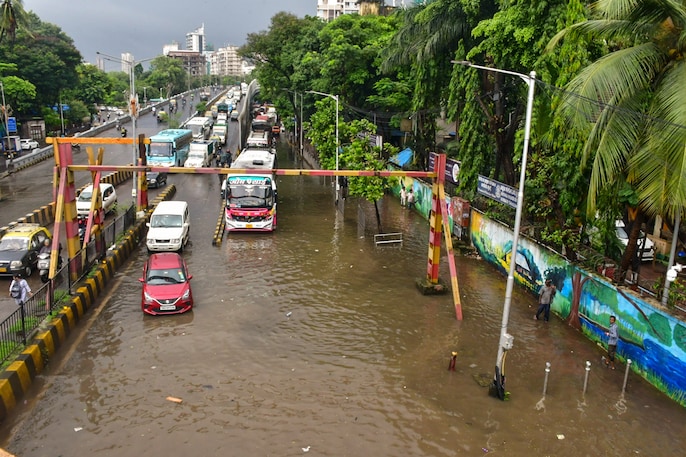
India's monsoon season is celebrated as the lifeline of agriculture — but it also brings a staggering economic and human toll. From Delhi building collapses and Maharashtra floods to the shutdown of the Mumbai-Pune Expressway, the rain of 2026 is already rewriting the damage ledger.
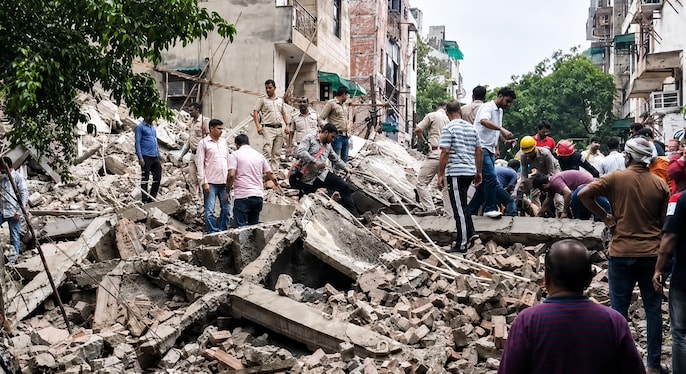
A multi-storey residential building collapsed in Delhi this week following sustained heavy rainfall that saturated foundations — adding to a grim annual pattern. NDMA data shows monsoon-related structural collapses killed over 900 people in 2024, with the 2025 figure expected to exceed it once finalised.
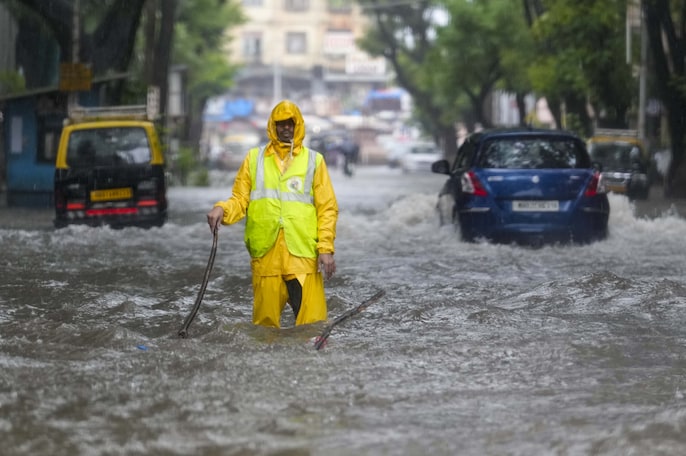
Maharashtra has recorded severe flooding across Pune, Nashik and Konkan districts, with the state government activating NDRF teams across 14 districts. Agricultural losses in flooded states typically run into thousands of crores — with Maharashtra alone reporting ₹6,000 crore in crop damage in the 2024 season.

India's busiest intercity highway was shut down this week following landslides triggered by heavy rainfall — disrupting an estimated 60,000 vehicles daily and halting freight movement between Mumbai's port and Pune's industrial belt, costing the economy an estimated ₹200-300 crore per day in logistics alone.
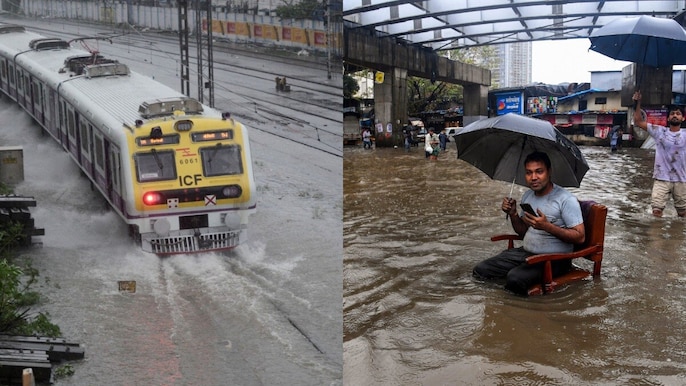
Indian Railways cancelled hundreds of trains across Maharashtra, Konkan, Gujarat and Rajasthan routes due to waterlogging, track damage and landslides. Each major cancellation wave affects an estimated 200,000–300,000 passengers daily and triggers significant freight delays.

India's annual monsoon damage typically costs the economy ₹30,000–₹50,000 crore in infrastructure losses, agricultural damage, disrupted logistics, and health-related costs, according to estimates by the National Disaster Management Authority and economic research firms. The 2024 season caused losses exceeding ₹40,000 crore.
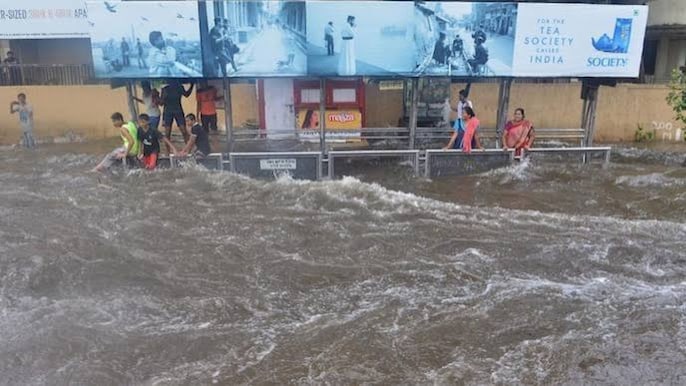
Beyond economic figures, the 2024 monsoon killed 3,238 people across India, according to NDMA data — through floods, landslides, lightning and building collapses. The monsoon remains both India's most essential weather event and its deadliest annual disaster.
 Crude Oil Next Big Commodity Bet? | Strait Of Hormuz Crisis | Commodity Outlook
 Nifty Falls: 22,500-22,300 Next? Expert Warns Against Bottom Fishing Amid Sharp Sell-Off
 Meta Muse AI & Smart Glasses, iPhone 18 Pro Max In-Depth Review & Easy iOS Data Transfer | Tech Today
 Silver Slips Below 200 DMA: Why This Crash Is A Golden Buying Opportunity | Navneet Damani
 Gold Falls $1,500 From Peak: Smart Accumulation Or Risky Bet? | Anuj Gupta