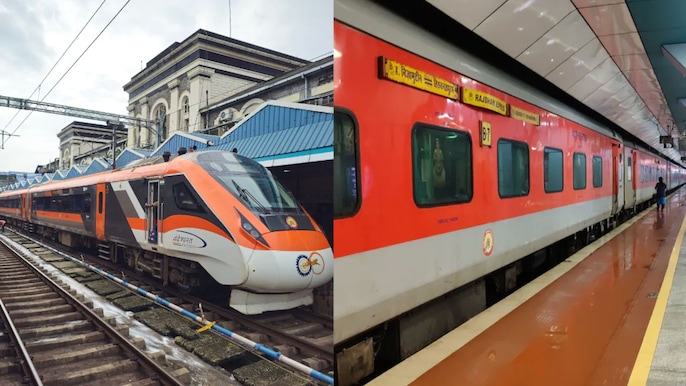
Rajdhani began in 1969; Vande Bharat followed 50 years later
Indian Railways introduced the first Rajdhani Express between Howrah and New Delhi in 1969. The first commercial Vande Bharat, developed initially as Train 18, began running between New Delhi and Varanasi in February 2019. They belong to different generations and were designed around different travel patterns.
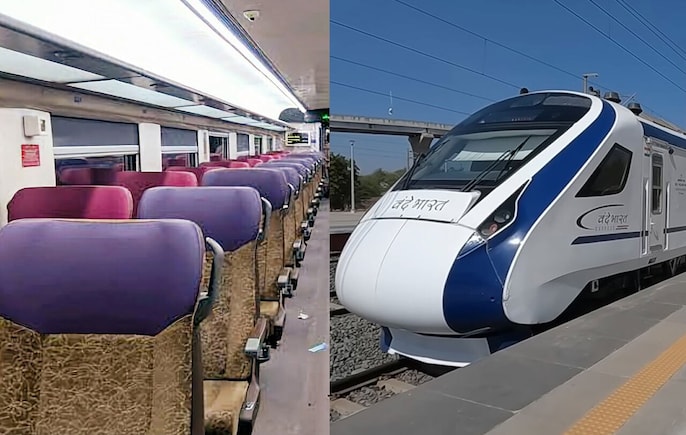
Standard Vande Bharat uses seats; Rajdhani provides sleeping berths
The familiar Vande Bharat chair-car train offers air-conditioned Chair Car and Executive Chair Car seating for daytime intercity travel. Rajdhani services use First AC, AC 2-tier and AC 3-tier berths designed for long and overnight journeys. For families with children or older travellers, this difference can matter more than top speed.
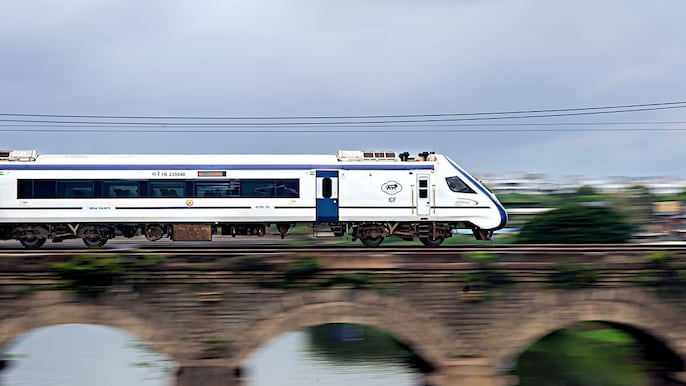
A 160-km/h capability does not mean 160 throughout the journey
Vande Bharat trainsets are capable of 160 km/h on eligible sections, but route limits frequently hold services to 110 or 130 km/h. Rajdhani services also commonly have a 130-km/h maximum permissible speed. Timetable, stops, congestion and track condition determine the journey time passengers actually experience.
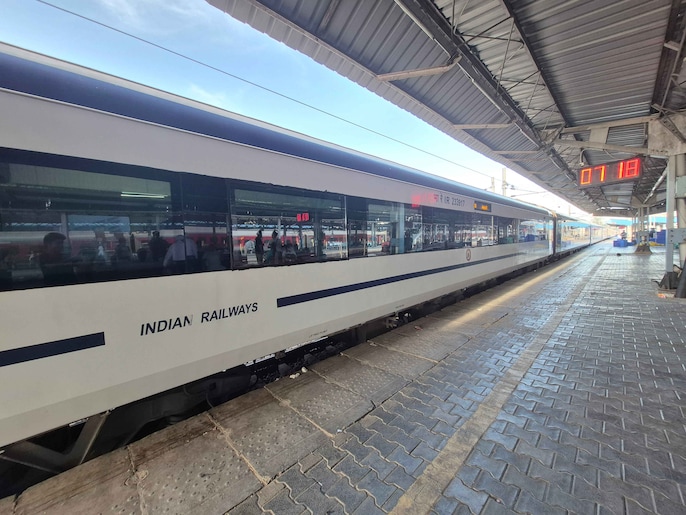
Compare the timetable, not only the train brand
Vande Bharat’s quick acceleration can save time on routes with several stops, but there is no universal time advantage over every Rajdhani. A traveller should compare the exact origin, destination, departure time, arrival time and number of halts on IRCTC or NTES before deciding which service is faster for the required date.
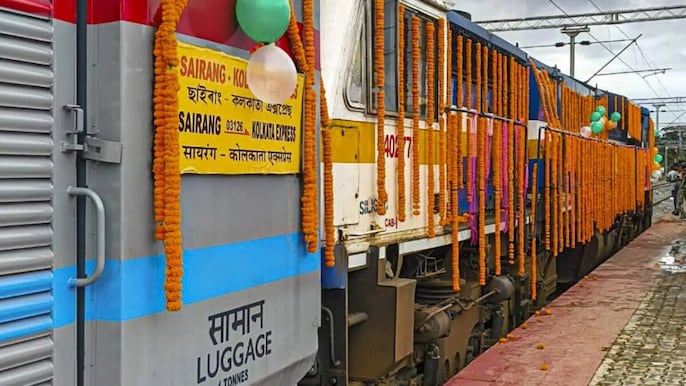
Vande Bharat’s newer trainset design brings modern standard features
Indian Railways lists automatic plug doors, GPS-based passenger information, CCTV surveillance, bio-vacuum toilets and charging points among Vande Bharat features. Rajdhani trains use locomotive-hauled LHB coaches; amenities can differ by rake, and some premium Rajdhanis have received Tejas-type upgrades rather than a uniform fleet replacement.
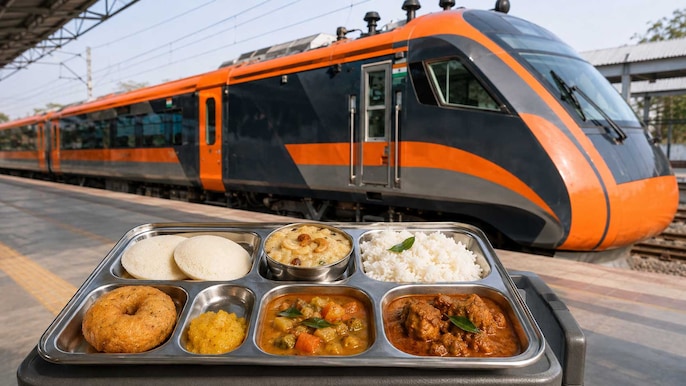
Food is not a safe one-line comparison
Meal inclusion and opt-out rules depend on the train, class and booking choice, so passengers should inspect the catering line before payment. The first Vande Bharat Sleeper is a clear exception to old assumptions: Railways says local cuisine is included in its fare, bringing the Vande Bharat name into overnight travel.
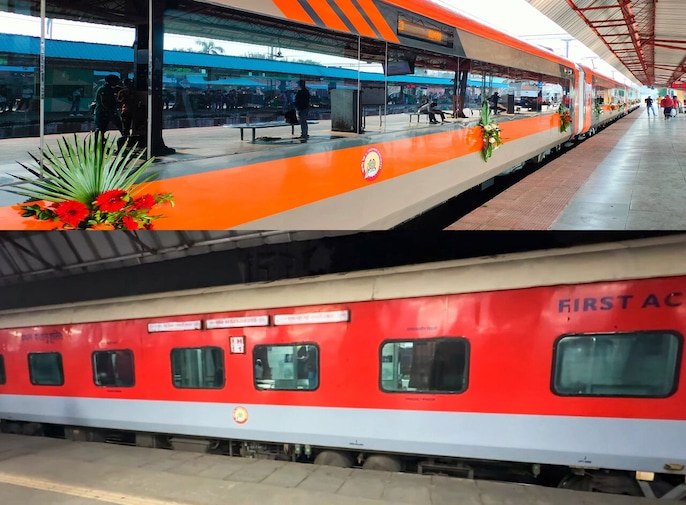
Vande Bharat Sleeper now overlaps directly with Rajdhani
India’s first regular Vande Bharat Sleeper service, trains 27575/27576 between Howrah and Kamakhya, began on January 22, 2026. It provides fully air-conditioned overnight accommodation, so “Vande Bharat means seats only” is no longer universally true. Passengers must distinguish the chair-car and sleeper versions when comparing tickets.
 Amit Shah Hails India’s Rise From Fragile Five To Top Five, Politics Of Performance Since 2014
 MEA Details BRICS Summit Outcomes as India Pushes Practical and People-Centric Cooperation
 Modi@25: Amit Shah Highlights 25 Years Of Leadership, Governance And 2047 Vision
 “Development And Environment Are Complementary”: PM Modi On Sustainability At BRICS
 Modi@25: Amit Shah Announces Seva Sankalp Campaign From Sept 17 To Mark Modi’s 25 Years Of Service