


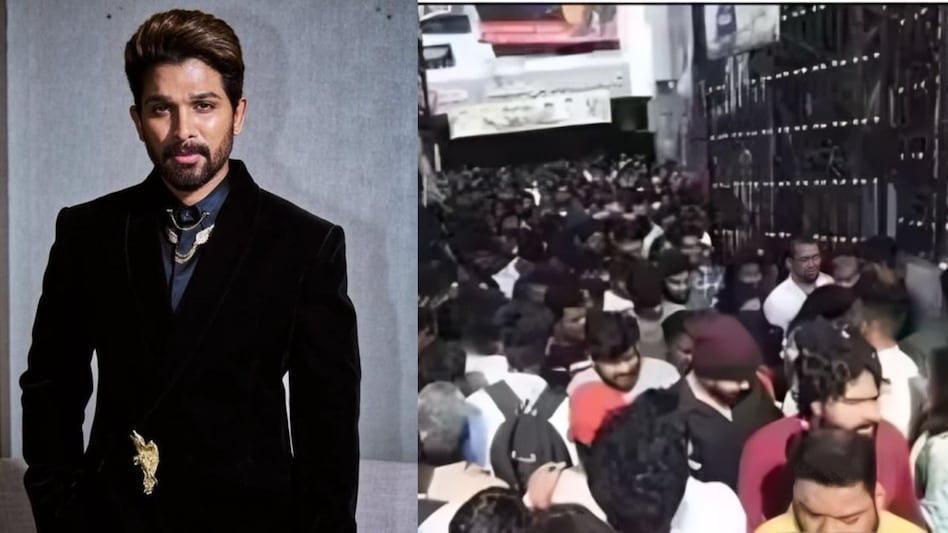
 The incident occurred on December 4, 2024, at Sandhya Theatre in RTC X Roads, Hyderabad, where a massive crowd gathered for the premiere screening in anticipation of Allu Arjun’s appearance.
 Actor Allu Arjun has been named as one of the accused in the chargesheet filed by the Hyderabad police in connection with the stampede that occurred during the premiere of Pushpa 2: The Rule at Sandhya Theatre in December 2024. The chargesheet names 23 individuals, including the actor’s personal security staff, manager, private bouncers, and theatre management.
According to media reports, the chargesheet was submitted before the 9th Additional Chief Judicial Magistrate (ACJM) at Nampally Court, more than a year after the tragic incident that claimed the life of a 35-year-old woman and left her minor son with severe, long-term medical complications. Allu Arjun has been listed as the 11th accused in the case.

 What is Pickaxe Mountain? Inside the Iranian nuclear site being threatened by Trump
 China’s oil use drops sharply: Expert says EV shift is changing global energy demand
 US debt hits $40 trillion: Why India should worry about rising yields, rupee and capital flows now
 From HUL to local jewellery brands: Bigg Boss creates a two-tier advertising ecosystem
 WMO warns El Niño could intensify through February 2027: What it means for India? Check here
 Is Travel Insurance Necessary For Every Trip? Costs And Coverage Explained
 #DemocraticNewsroom | '800 Million People On Subsidies': Siddharth Zarabi On India’s K-Shaped Economy
 #DemocraticNewsroom | India Inflation Data: Are Official Numbers Hiding The Real Economic Picture?
 GDP Real Or Fudged? Siddharth Zarabi Defends India’s Growth Numbers With Data
 Financial Planning For Couples: How To Build A Strong Financial Plan, Budget & Wealth Together
 600% dividend stock: Check dividend per share, record date, payment date and other key details
 56% rally in TBZ stock: Upper circuit led to record high today; here's why
  Sensex, Nifty snap four sessions of losing streak; RIL, Tata Steel, Bajaj Finance boost sentiment
  Physicswallah shares jump 9% as Motilal Oswal sees 66% upside
 KEC International: At 52-week low, Geojit expects more downside in infra stockIs Travel Insurance Necessary For Every Trip? Costs And Coverage Explained
 Gold, silver prices on September 5: Check latest rates in Delhi, Mumbai, Kolkata, other cities600% dividend stock: Check dividend per share, record date, payment date and other key details
 LPG, CNG, PNG prices today (September 5): Check latest rates in Delhi, Mumbai, Kolkata, other cities
 Petrol, diesel prices today, September 5: Check latest rates in Delhi, Mumbai, Chennai, Kolkata & more












