


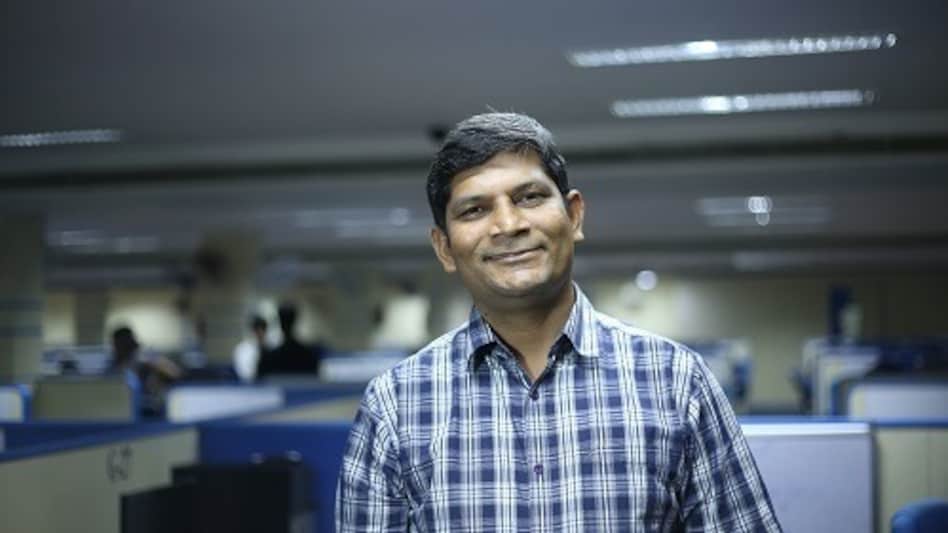
 Comparing engineers in the US and India, he felt India’s young workforce was hungrier, more aspirational, and ready to push harder for success.
Kumar Vembu, Founder & CEO of GoFrugal Technologies, has shared a deeply personal reflection on his early career in the United States and the life-changing decision that eventually seeded one of India’s biggest tech success stories.
In a candid post on LinkedIn, the younger brother of Sridhar Vembu described how his H-1B visa — once seen as a gateway to opportunity — quickly turned into what he calls a “golden handcuff.”

 NDA explores holding joint polls in 22 states, UTs in 2029: Report
 ABH Healthcare IPO: Check key dates, price band, issue size, latest GMP, listing details & more
 Cargo vessel with 20 Chinese crew sinks near Odisha; Coast Guard deploys 3 ships for rescue ops
 'Asked too much, offered too little': Carney on why Canada suspended US trade talks
 Trump doubles down on Hormuz claim, shares map calling strait 'NEW US Territory'
 Motor Insurance Add-Ons You Actually Need Explained: Zero Depreciation, RSA & Return-To-Invoice
 No Claim Bonus Explained: When Should You Claim Or Pay For Repairs Yourself?
 Motor Insurance Premium: What Factors Determine How Much You Pay?
 How Is Retirement Income Taxed For Senior Citizens? Key Rules Explained
 Rental Income Tax: 3 Key Deductions Every Senior Citizen and Property Owner Should Know
 Trump made 1,000-plus trades in June: Here's what he bought and soldABH Healthcare IPO: Check key dates, price band, issue size, latest GMP, listing details & more
 India stocks lag global markets in 2026: BofA data shows 9.1% decline in USD terms
 'FOMO, fixed return': SEBI proposes revamped ad code for bond portals from misleading investors
 Crompton Greaves says no plan to sell stake, expects revenue to double by FY31Trump made 1,000-plus trades in June: Here's what he bought and sold
 From Buddhist monk at 16 to Meta engineer : How 30-year-old Lilly Chen built a $25 million startup to challenge AccentureMotor Insurance Add-Ons You Actually Need Explained: Zero Depreciation, RSA & Return-To-Invoice
 ‘F&O trading is bad for almost 99% of retail traders’: Nikhil Kamath draws ITC parallel, says brokers need to diversify
 'My friends ended up seeing psychiatrists': Rajnish Kumar on ixigo's near-death moments and a deal he walked away from












