


 Insider trading refers to buying or selling securities using confidential, price-sensitive information that is not available to the public.
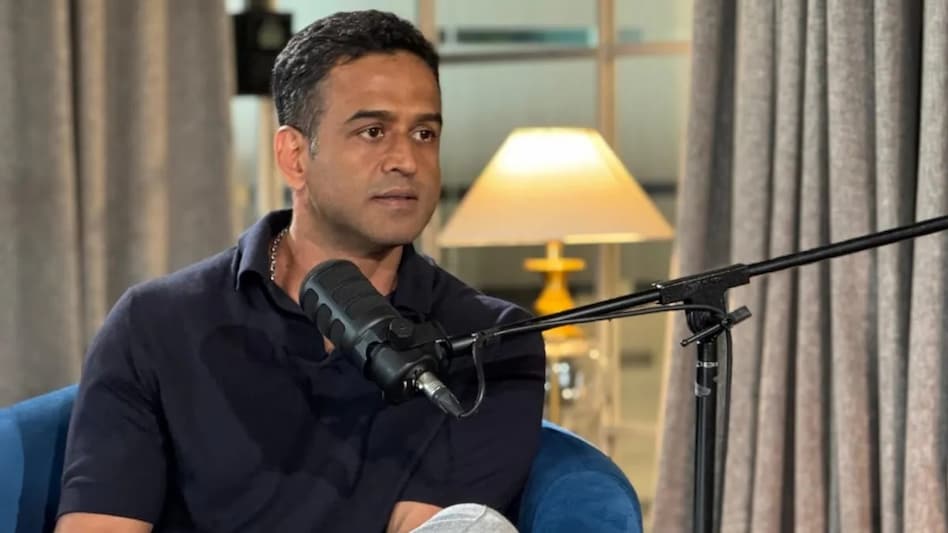
Nithin Kamath, founder and CEO of Zerodha and Rainmatter, sparked a discussion on market transparency and insider trading after commenting on India’s latest increase in import duties on gold and silver.
In a post on LinkedIn, Kamath said the announcement regarding import duties being raised to 15 per cent came late at night, but Indian markets did not show any suspicious activity beforehand. According to him, there were no unusual spikes in open interest, trading volumes, or prices in gold and silver contracts in the hours leading up to the government decision.

 NCLT sends Subhash Chandra insolvency plan back to chairperson as benches fail to reach majority
 Donald Trump threatens further strikes on Iran; oil prices up by more than 2.5%
 BSE, MCX, NSDL: Top capital market stocks to trade — Check key levels, target prices & stop loss
 Top stocks in news: Symbiotech, EPL, Milky Mist, TBZ, Skyways, PVR Inox, Hy-Tech, Cipla, Kotak Bank
 Anthropic warns Claude users as malware steals login sessions and drains account usage
 Indian Markets Outlook: Is Bear Phase Ending? Maneesh Dangi Sees Better Next 6-12 Months
 This ₹5 Lakh AI Gym Wants To Replace Your Gym
 Nepal Flood Horror: Sadhguru, Manisha Koirala Stand In Solidarity As Rescue Efforts Continue
 Nepal Flood Horror: Children Found Alive After Days Under Debris, Hope Emerges From Devastation
 India’s 6% Growth Trap: Why Manufacturing Still Struggles To Beat China
 RIL, Jio Financial, Airtel, Adani Energy Solutions see rise in promoter holding in Q1 FY27; full list
 TBZ share price in focus as GRT Jewellers’ open offer at 18% discount to prevailing level
 ITC, Happiest Minds shares in focus after ITC Infotech merger announcement. Key detailsBSE, MCX, NSDL: Top capital market stocks to trade — Check key levels, target prices & stop loss
 Nifty, Sensex, Nifty Bank outlook for today: GIFT Nifty down 66 points; key levels to watchRIL, Jio Financial, Airtel, Adani Energy Solutions see rise in promoter holding in Q1 FY27; full listTBZ share price in focus as GRT Jewellers’ open offer at 18% discount to prevailing levelITC, Happiest Minds shares in focus after ITC Infotech merger announcement. Key detailsDonald Trump threatens further strikes on Iran; oil prices up by more than 2.5%BSE, MCX, NSDL: Top capital market stocks to trade — Check key levels, target prices & stop loss












