


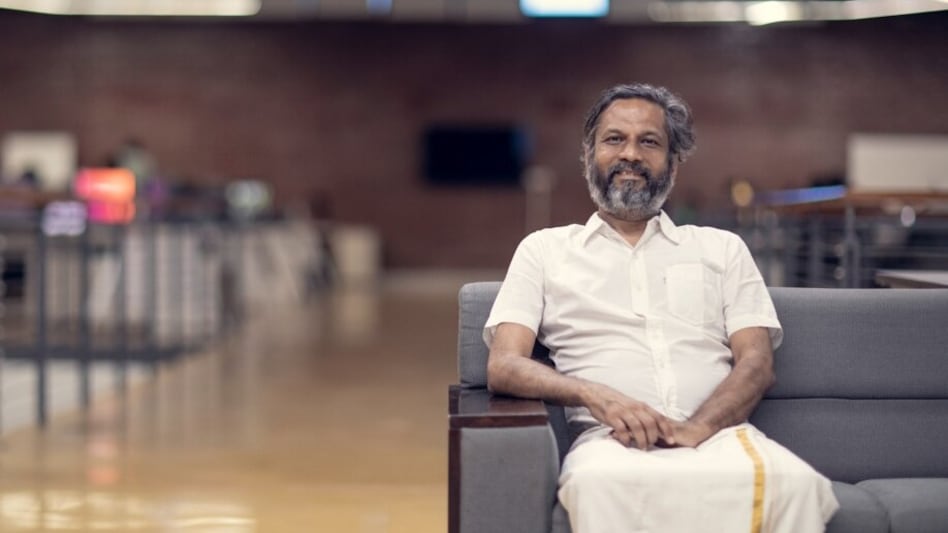
 Vembu also acknowledged that India may not be alone in having an exacting domestic market.
Indian consumers are often described as discerning, value-conscious and fiercely demanding — traits that make the country one of the most challenging markets for businesses to crack. While loyalty in India can run deep once trust is earned, it is also fragile, shaped by rapidly shifting trends, rising digital awareness and the growing influence of social media and D2C brands.
Zoho co-founder and CEO Sridhar Vembu recently weighed in on this reality, offering a vivid analogy to describe what companies face in the Indian domestic market. Sharing his thoughts on X (formerly Twitter), Vembu said the Indian market resembles a “demanding and strict Indian school teacher” who is never easily satisfied.

 90% EVs exported out of India are from Maruti Suzuki: MD & CEO Hisashi Takeuchi
 India's $30 trillion goal needs 8-10% growth, $400 billion more annual investment: Jayant Sinha
 1.1 billion barrels gone: IMF warns that global oil market is running out of safety cushions
 From Devbhoomi to industrial destination: Uttarakhand’s manufacturing moment
 India’s deep-tech startups face a new test: Crossing the valley of death
 #IndiaAt100 : Adipen Bose Nandhiji On Conscious Capitalism- Can Profit & Purpose Coexist?
 #IndiaAt100 : Hisashi Takeuchi On Driving India’s Manufacturing Revolution
 #IndiaAt100 : Manufacturing For Viksit Bharat | Can Industry Power India’s $30-Trillion Dream?
 #IndiaAt100 : Tarun Garg On Hyundai & India’s Manufacturing Powerhouse Ambition
 #IndiaAt100 : CM Pushkar Singh Dhami On Uttarakhand’s Industrial Growth & India’s Next Leap
 Cupid, NTPC Green, NTPC, Raymond Realty, HAL shares: Key technical levels to watch
 Defence stock with Rs 2,654-crore order book hits record high; here's why
  GACM Technologies: FII holding jumps to 29%; penny stock in focus
 Puravankara shares rise 5% on fresh order win
  20 high-conviction ideas for up to 95% upside | stocks to buy
  NHAI’s ₹350 monthly toll pass now available: who can apply? Check eligibility and benefits
 90 million litres of glacier water every day: How Ladakh is reviving 1,000 acres of farmland#IndiaAt100 : Adipen Bose Nandhiji On Conscious Capitalism- Can Profit & Purpose Coexist?#IndiaAt100 : Hisashi Takeuchi On Driving India’s Manufacturing Revolution#IndiaAt100 : Manufacturing For Viksit Bharat | Can Industry Power India’s $30-Trillion Dream?












