

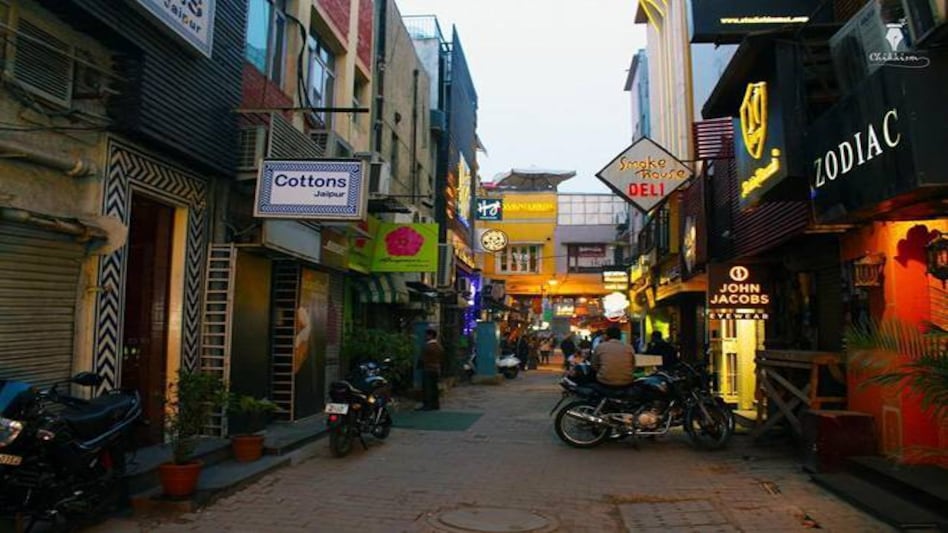
 Khan Market, New Delhi
Malls have opened in the cities like Bangalore and Chennai and as expected the response has been lukewarm. To add to this is the row between mall owners and tenants over rentals during the lockdown, which has pushed many retailers to reconsider their decision to have a presence in malls. Will high street take precedence over malls in the months to come? "The high street landlords have been far more understanding than the malls," says Riyaz Amlani, CEO, Impressario Entertainment & Hospitality (owner of restaurants such as Social and Smokehouse Deli). High street, says Amlani, also gives him higher ROIs than malls.
Although the immediate response of most retailers is that mall owners and brand owners need to find reasonable ways to co-exist, almost all of them admit that high street would be their preferred choice in the new normal. "In the next 6-12 months, it is the high streets that would do better," says Siddharth Bindra, MD, Biba India. Almost 60 per cent of Biba's stores are already on high street.
 BT Big Story: The price tag of UPI: Will small shops go back to cash?
 Insurance commission caps: What happens to your policy when the seller earns less?
 SEBI allows PMS exposure to foreign securities: What products can clients access?
 BTTV Exclusive: Ashishkumar Chauhan explains why NSE went public now
 'Former neighbour': Anand Mahindra recalls NSE's journey from Mahindra Towers to IPO
 Meta’s New Gadgets: Camera-Free Glasses, VR Eyewear And AI Handheld Device Unveiled
  MDR Levy: Will Retail Trading Volumes Take A Hit? | NSE Chairman Srinivas Injeti
 NSE Lists At ₹1,800: Exclusive Post-Listing Interview With India's Largest Exchange
 From Mobile Trading To AI: How NSE Plans To Protect Market Integrity
 NSE On India’s Capital Markets Growth | IPOs, REITs, InvITs And More
 SEBI allows PMS exposure to foreign securities: What products can clients access?
 SEBI's settlement rules set for a big revamp; experts call for balance between speed and accountability BTTV Exclusive: Ashishkumar Chauhan explains why NSE went public now
 SEBI rewrites PMS rulebook, allows IPO, foreign securities and unlisted debt investments
 HSBC plans India equity broking return amid IPO boom, says report
 Quote of the Day by Anand Mahindra: 'It is imperative for us to protect the flora and fauna around us'
 Petrol, diesel prices today, September 25: Check latest rates in Delhi, Mumbai, Chennai, Kolkata & more
 CBDT simplifies TDS compliance for property purchases from non-residents; new Form 141, Schedule E from October 1
 Houthis attack Saudi Aramco facilities in Yanbu, Riyadh after France announces defence support
 10 months of new labour codes: What has changed for employees and employers?












