AI Boss
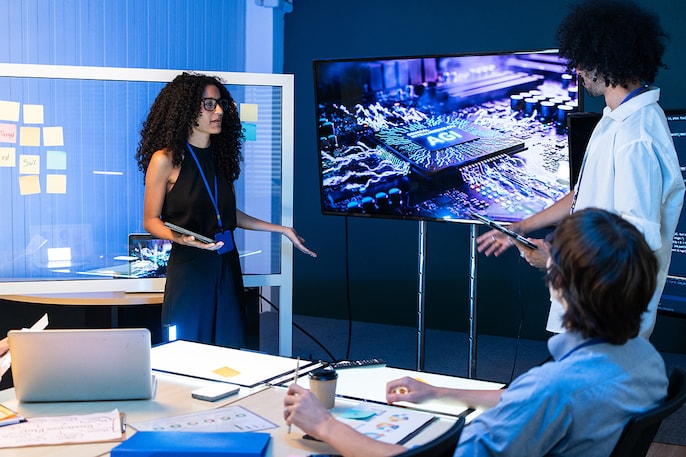
Decision-making is emerging as the biggest workplace role for artificial intelligence, with Microsoft’s data showing it accounts for 27.5% of AI use among Microsoft 365 Copilot users. The shift suggests employees are not just asking AI for answers anymore — they are using it to analyse situations, weigh options and support important choices.

Silent Assistant
AI is quietly becoming the workplace partner many employees did not expect. Beyond headline-grabbing tasks, 18.9% of AI usage falls under other work activities, while information gathering alone accounts for 13%, showing how workers are relying on AI to find, organise and process information faster.
Paper Killer
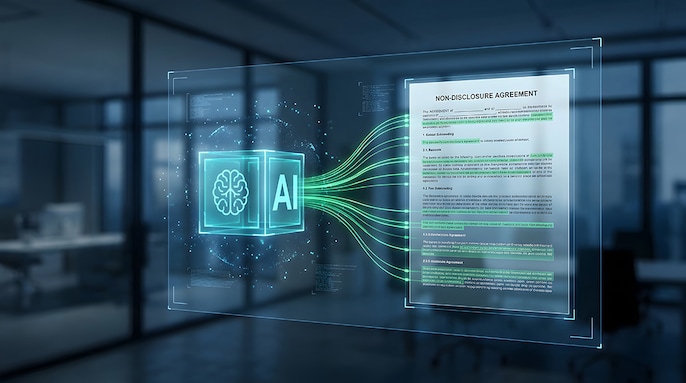
Creating and managing documents remains one of the biggest ways employees use AI at work. Microsoft’s findings show documentation accounts for 11.7% of AI usage, revealing how artificial intelligence is changing routine tasks like drafting, organising and handling workplace paperwork.

Team Shift
Workplace communication is getting an AI makeover as employees turn to digital assistants for collaboration and coordination. According to Microsoft’s Work Trend Index, team communication represents 8.4% of AI usage, showing how AI is moving beyond individual productivity into group workflows.

Task Engine
AI is also stepping into everyday computer tasks and information interpretation, though at a smaller scale. Computer-related activities account for 4.7% of usage, while interpretation makes up 4.5%, highlighting how workers are using AI to understand data and complete digital tasks.

Quality Check
From processing information to checking accuracy, AI is finding a place in behind-the-scenes workplace operations. Microsoft’s data shows information processing accounts for 3.1% of AI use, while quality assessment makes up 2.8%, proving that AI’s role extends beyond simple automation.
 Auto Industry Price Hikes Remain Marginal: Hyundai India MD Tarun Garg
 EXCLUSIVE | MoSPI Secretary Saurabh Garg On 7.8% GDP | Rejects Data Manipulation Claims
 AI Is Moving To The PC: Dell’s Jacinta Quah On India’s 51% Adoption
 From Air Marshal To Ram Lalla’s Guardian: Meet The New CEO Of Ayodhya’s Ram Temple Trust
 Global Bond Carnage: Why Global Bond Yields Are Exploding - And What It Costs You