Sonic Gamble
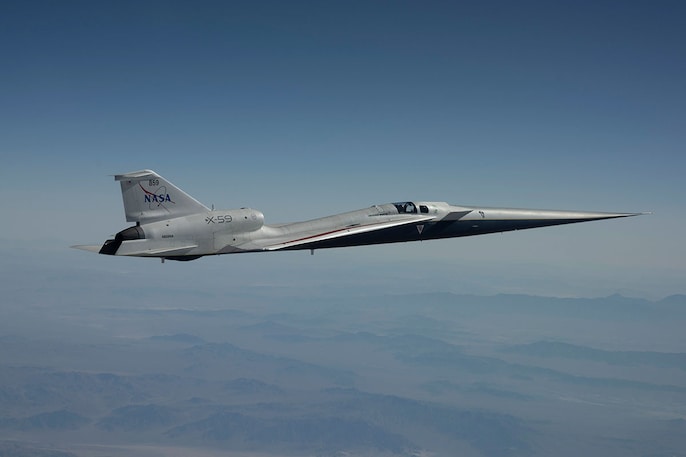
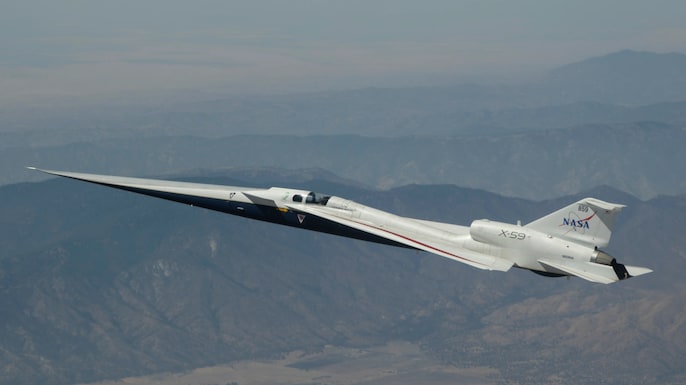
NASA's strange-looking X-59 is tackling one of supersonic aviation's biggest obstacles: the sonic boom. Its stretched-out nose is designed to turn the explosive crack of breaking the sound barrier into a much softer sound that could eventually make overland supersonic travel possible again.
Pilot Puzzle
The X-59's cockpit sits unusually far back, leaving the pilot without a normal forward view. Instead, a camera and computer system create a digital view ahead, showing how experimental aircraft can combine familiar hardware with unconventional solutions to solve very specific problems.

Drone Debate
Cheap drones have transformed military aviation, particularly in Ukraine, but NASA's experience suggests that uncrewed aircraft are not automatically the cheaper answer for every test. Removing the pilot from the X-59 would have created new costs around autonomy and certification.
Yeager Legacy
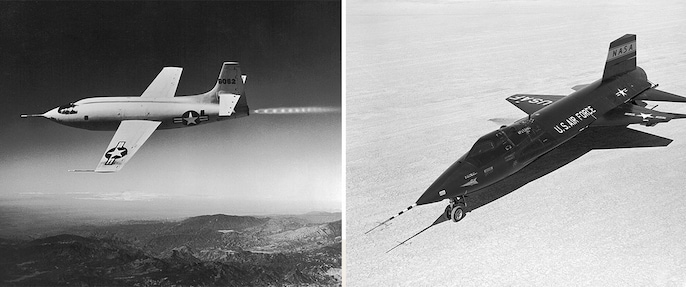
The X-59 belongs to a remarkable family of NASA experimental aircraft. The X-1 broke the sound barrier in 1947, while the rocket-powered X-15 reached 6.7 times the speed of sound and helped advance heat-resistant technology later used in the Space Shuttle.
Human Loop
Aerospace experts argue that test pilots can reveal things computers and simulations may miss once an aircraft actually flies. That thinking continues into the UK's next technology demonstrator, which is being developed to test systems for the future Global Combat Air Programme.
 How Is Alexa+ Different? Will It have Ads Even If You Pay? Exclusive Chat
 Demand Robust Across Segments | Production To Ramp Up, Exports To Expand: Vivek Srivatsa
 GST Council To Meet On October 7: Invoice Matching, ITC & UPI MDR Tax In Focus
 Tata Chip Plans Stay On Track Despite Boardroom Rift; Dholera Fab Investment Unaffected
 GLP-1 Drugs Face Eye Safety Concerns: Will Fresh Scrutiny Impact India's Growing Market?