

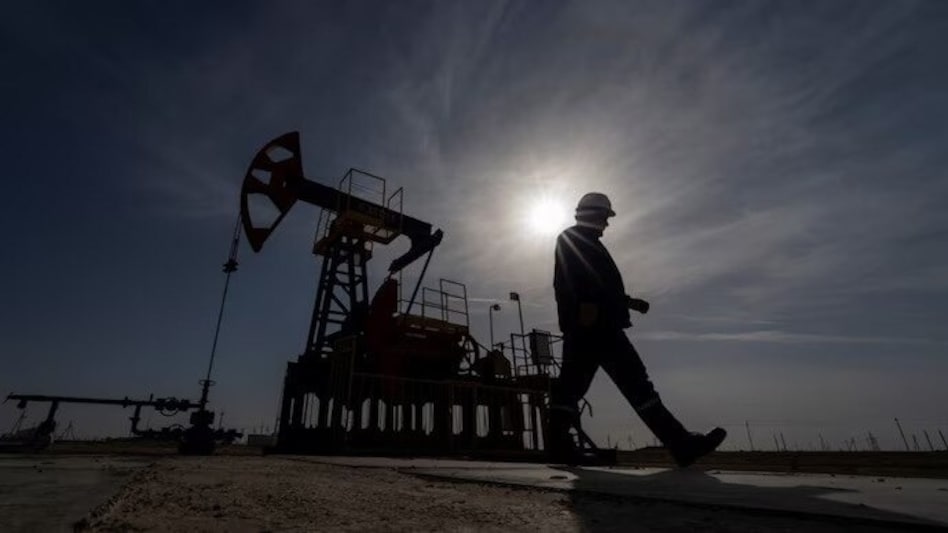
 For many analysts, the seizure of Maduro underscores how control over energy resources continues to shape foreign policy.
An audacious US military strike in Venezuela has injected fresh geopolitical risk into global markets just as 2026 begins. The capture of President Nicolás Maduro and his wife has unsettled investors and reignited concerns that energy politics — particularly control over oil supply — could once again drive market volatility as the markets reopen on December 5.
The operation — unprecedented in its scale and symbolism — has immediately reignited debates over energy security, international law and the enduring role of fossil fuels in shaping global power politics. While Washington has framed the action as a law-enforcement-driven intervention, critics argue the move fits a long-established pattern in which strategic energy interests sit just beneath the surface.
 India-US trade deal close to being final; complex set of factors involved: Marco Rubio
 IMF warns AI market correction could hit India, flags risks to IT and back-office sector
 Jio Platforms IPO: Deven Choksey sees double-return potential in 4-5 years
 Elon Musk promises free SpaceX shares to every child in America next year
 India believes in multilateralism but is not waiting for it: FM Nirmala Sitharaman
 “No Shortages, No Dry Outs”: Hardeep Puri on India’s Energy Security Amid Global Turmoil
 Renault May Import Global Models Under FTAs If Demand Rises; Hybrids, CNG Have Strong Potential:
 Urban Company Stock Falls 8% | Deven Choksey Warns Against High Valuations
 A.I. Will Enable, Not Kill I.T. | Deven Choksey Sees AI-Led Opportunitiesit
 Banking Stocks Have Bottomed Out? Deven Choksey on HDFC, ICICI & Axis Bank
 Market crash: Sensex tanks 1,100 points from day's high; here's why D-Street is in the red
  Tech Mahindra, ICICI Lombard, HDB Financial: Top stocks to turn ex-dividend this week
 Zerodha launches US stock investing in beta mode: All you need to know
  HFCL Q2 earnings: Net profit rises five times, shares hit upper circuit Jio Platforms IPO: Deven Choksey sees double-return potential in 4-5 years“No Shortages, No Dry Outs”: Hardeep Puri on India’s Energy Security Amid Global Turmoil
 Does Apple's Price Shock Give Samsung a Rare Opening in India?
 Reality check: Ex-IMF director punctures Pakistan's 'historic' World Bank leadership claim
 France Riots: Macron Vows Accountability for Looters, Promises Transparency After ViolenceRenault May Import Global Models Under FTAs If Demand Rises; Hybrids, CNG Have Strong Potential:












