


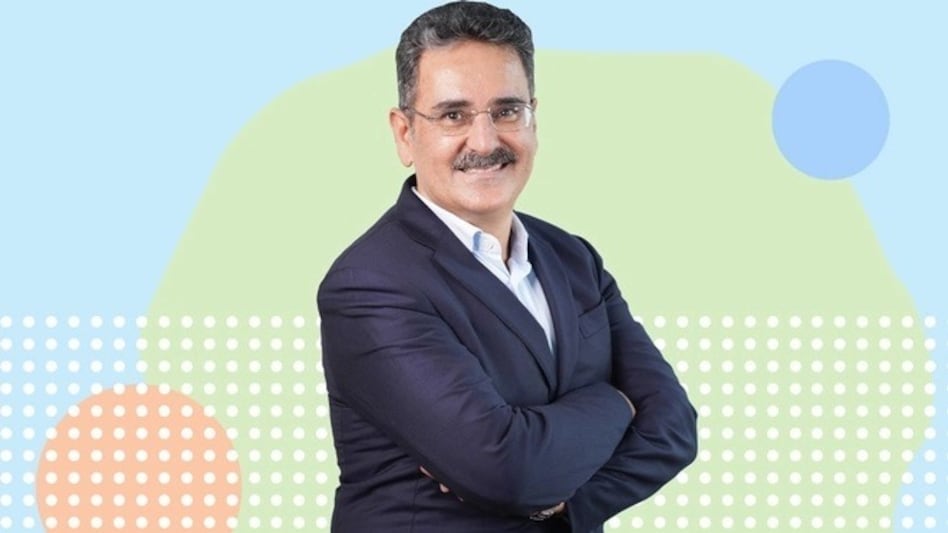
 Among the 24 markets in the MSCI Emerging Markets basket, India has been one of the worst performers, declining around 14% in dollar terms, he pointed.
Dinshaw Irani, the CEO of Helios Mutual Fund, blamed high taxation, apart from the current volatility amid the West Asia conflict for the massive exodus of foreign institutional investors
Over the past few weeks, the conflict in West Asia that has driven up oil prices and disrupted supply chains has rattled stock markets. Year-to-date, the benchmark BSE Sensex and NSE Nifty50 have fallen close to 9%. However, the volatility hasn’t stopped Helios Mutual Fund from continuing to invest.

 ₹8,862 crore in tolls! This state emerged as India's biggest highway toll revenue generator
 Could India witness a Korea-style market meltdown? Nithin Kamath explains the biggest risk
 How Indian investment overseas is gathering momentum
 Semicon 2.0, space, hydrogen trains: How manufacturing push is gaining pace, shows July's economic review
 To stay ahead, Indian manufacturers are embracing AI
 "RSS Controls Education, Dharmendra Pradhan Is Just A Symbol!": Rahul Gandhi’s Scathing Attack
 KOSPI Crash Explained | ₹152 Lakh Crore Gone, AI Stocks Under Massive Pressure
 PSU Stocks Outlook: Can Defence, Power & Industrial PSUs Deliver Strong Returns Ahead?
 "Normal Law & Order": JP Nadda Hits Back At Kharge Over Police Action On Student Protesters!
 Parliament's Most Viral Debate Yet? How Gen Z Language Entered Lok Sabha
 Could India witness a Korea-style market meltdown? Nithin Kamath explains the biggest risk
 Dabur India Q1 results: Profit up 15% at Rs 591 crore YoY; revenue climbs 11%
 FIIs could return to market in six months, says Ajay Bagga
  Sensex, Nifty climb over 1% each; investors add Rs 4 lakh crore in wealth
 Banks, IT, defence, power stocks likely to lead FY27 earnings upgrades, says Ajay Bagga"RSS Controls Education, Dharmendra Pradhan Is Just A Symbol!": Rahul Gandhi’s Scathing Attack
 Samsung Galaxy Z Fold 8 Ultra Unboxing
 'Amit Shah Ordered Firing?' Rahul Gandhi's Charge Sparks Fierce Showdown in Lok Sabha
 'Delulu', 'FOMO', 'Kuchu Puchu': Gen Z Slang Dominates Parliament Debate
 Bengaluru Restaurants Threaten Swiggy-Zomato Boycott Over Commissions & Charges










