















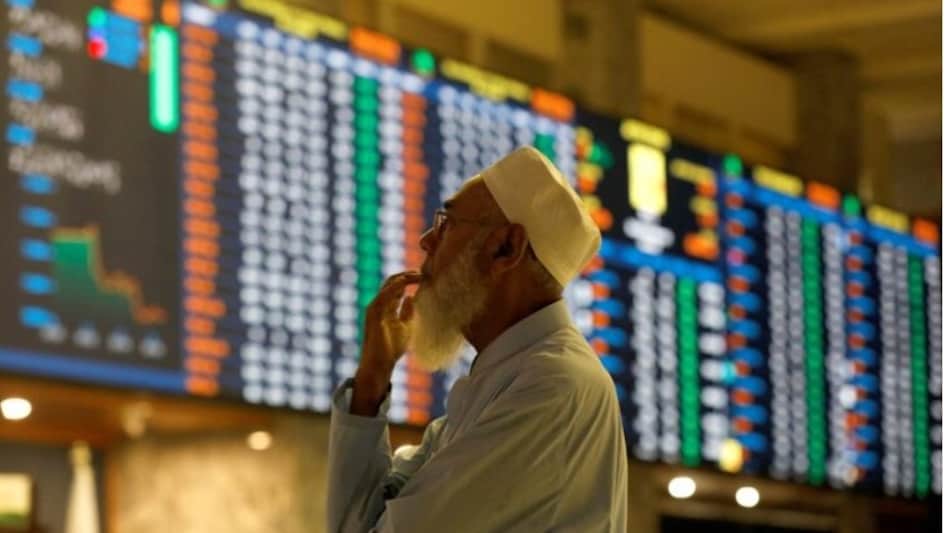
 Christopher Wood said Pakistani equities tend to perform strongly around IMF bailout periods.
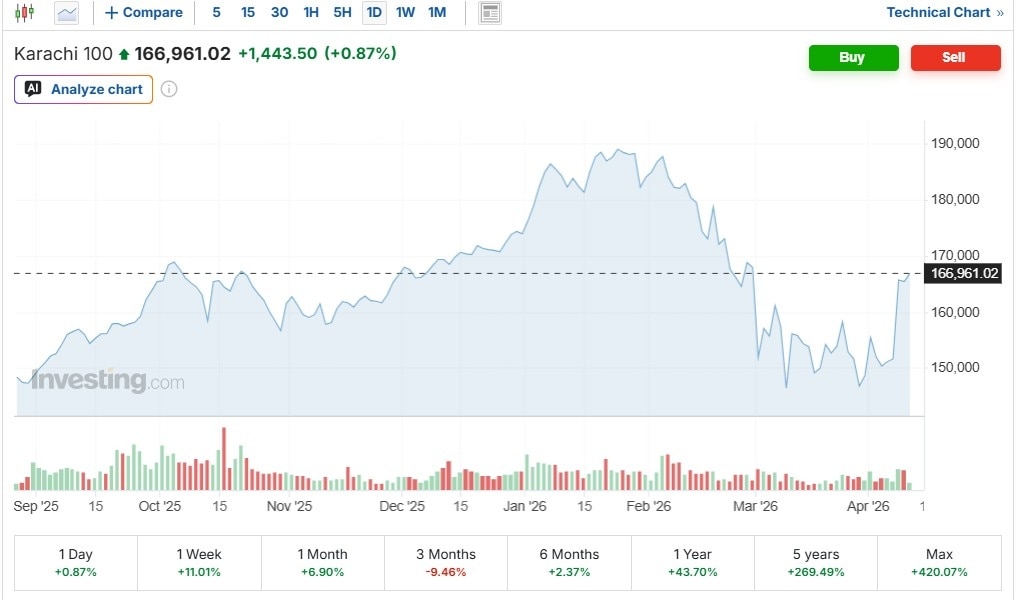
Investment 2026: Pakistan’s equity markets have surged into the spotlight, combining macro triggers, geopolitical developments, and IMF-linked cycles to deliver outsized gains. The latest rally was sparked by a dramatic easing in West Asia tensions, reinforcing the tactical appeal of Karachi Stock Exchange (KSE-100)-listed stocks, as highlighted by Christopher Wood, global head of equity strategy at Jefferies.
On April 8, Pakistan’s benchmark KSE-100 index recorded a historic intraday surge, jumping over 12,000 points after reports of a US-Iran ceasefire lifted investor sentiment. According to Dawn, the index climbed 12,362.38 points, or 8.15%, to touch 164,035.83 in early trade. The sharp spike triggered a temporary trading halt, in line with exchange rules aimed at managing extreme volatility. This marked the largest single-day gain in absolute terms for the index.

 100% tariffs immediately? What Trump’s new Russia sanctions law means for India
 Russian oil & gas purchase: Trump signs Bill into Act targeting 100% tariffs on India, China
 'Tatas today are the face of India...': Former Solicitor General Harish Salve backs Tata Sons public listing
  Trump’s announces Greenland deal with Denmark: What it means for US military presence
 On tracks: How Maruti Suzuki is shifting to railways for its car dispatches
 Gold Price Outlook: Why Gold Could Rise Despite Global Interest Rate Hikes | Silver Market Update
 Health Insurance: Why Claim Settlement Ratio Is Not Enough When Choosing The Right Insurer
 “Unacceptable And Unprofessional”: MEA Rejects Pakistan’s Claims Over INS Kolkata Collision
  Commodity Trading For Beginners: How MCX & NCDEX Work | Trading Basics | Money Today
 US Fed Rate Hikes A Headwind For Foreign Flows? | Jibi Jacob | Jefferies
 Jindal Supreme, SS Retail, Hero Motors IPOs subscribed up to 181 times on final day; details here
 Sensex, Nifty post sixth weekly loss; TCS, Titan among top laggards, slip up to 4%
 How AI collapse could benefit Indian equity market; Jefferies' Christopher Wood explains
  Banks are no more secular growth story, prefer NBFCs: Chris Wood
 Jefferies' Christopher Wood sees gold at $10,000 'sooner or later'; likes India's small, midcapsGold Price Outlook: Why Gold Could Rise Despite Global Interest Rate Hikes | Silver Market Update
 Ghosts in the machine: How a false AI intel almost triggered a US-China clash in West Asia
 Fujifilm X Half review: The not-so-retro digital camera for Gen-Z
 Now, Google Gemini becomes latest AI model to break out & hack real companies On tracks: How Maruti Suzuki is shifting to railways for its car dispatches


