












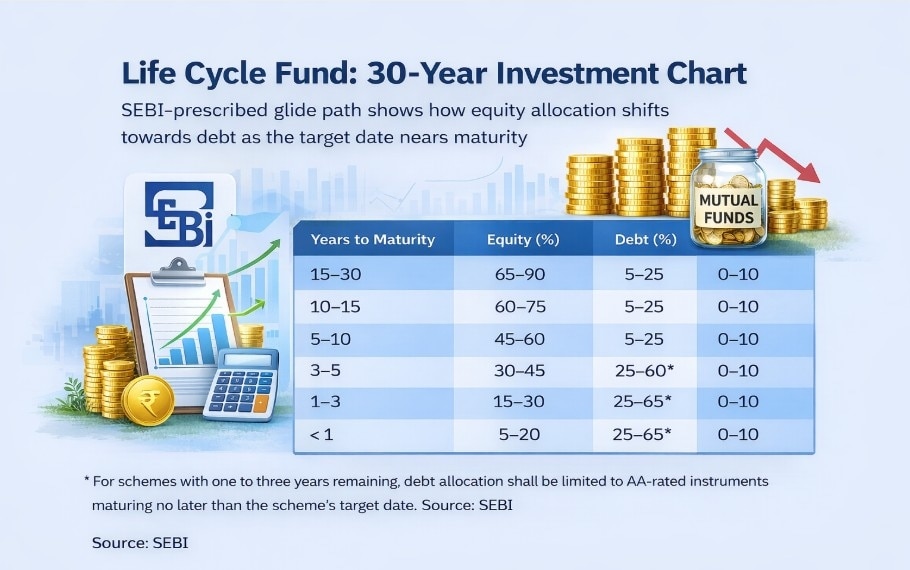



 Sebi's shift brings greater predictability and reduces the discretion previously exercised by fund managers, which could sometimes work against investors, say experts.
 In a major regulatory overhaul, the Securities and Exchange Board of India (SEBI) has discontinued solution-oriented mutual funds from February 2026, marking a decisive shift in how goal-based investing is structured and delivered. The move signals a transition from marketing-driven product positioning to a more disciplined, process-oriented investment framework.
Solution-oriented funds

 Govt starts buffer onion releases as festive demand nears
 India to divert 3.5 lakh tonnes of export sugar to local market as prices surge
 AI boom is helping offset oil shock, but global economy still faces risks, warns IMF
 Nepal flood: 77 Isha Foundation Kailash pilgrims out of contact, were at Tibet immigration centre
 India emerges as Kenya’s new fuel lifeline as West Asia supply disruptions deepen
 YouTube, Insta Earnings Are Not Tax-Free: What Freelancers & Content Creators Must Know About Tax
 What’s Hot: Stocks, Gold & Big Money Moves | Daily Markets Show | August 26 | Business Today TV
 Nifty Rally Gets A Boost From Falling Oil: Vaishali Parekh On What Comes Next
 IIT Delhi Protests Over Student Death As Students Demand Accountability And Independent Probe
 How This Fund Manager Turned ₹1 Cr Into ₹7.6 Cr | Abhay Agarwal On Beating The Market by 8.8% A Year
 Tata Capital shares: Nuvama ups target price; says Tata Motors Finance drag largely behind
 ICICI Prudential AMC: Promoter Prudential to sell 2% stake; stock slips
 Adani-backed Cemindia Projects may raise up to Rs 5,000 crore through QIP: Report
 Why did Sensex, Nifty erase gains to settle lower today?
 Piper Serica exits CDSL, CAMS shares; adds Gland Pharma, Astra Microwave
 Apple event 2026 announced for September 9: iPhone 18 Pro series, iPhone Ultra, and more to debutNepal flood: 77 Isha Foundation Kailash pilgrims out of contact, were at Tibet immigration centre
 Snow-rock landslide near China blocked river, debris lake formed, then burst: What may have caused Nepal's deadly floodIndia emerges as Kenya’s new fuel lifeline as West Asia supply disruptions deepenGovt starts buffer onion releases as festive demand nears


