









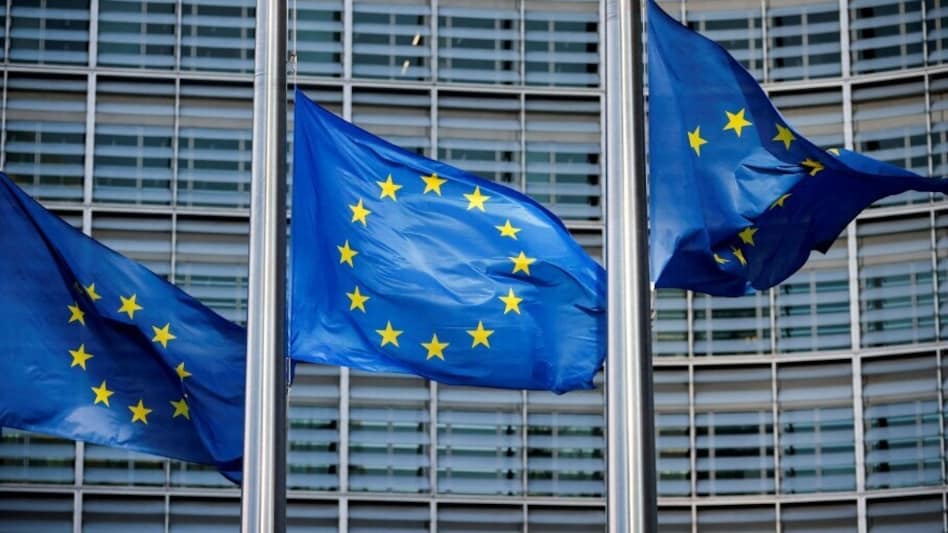
 EU visa strategy to streamline travel, strengthen security, and foster global innovation
 EU visa strategy to streamline travel, strengthen security, and foster global innovation
The European Commission has unveiled its first-ever EU Visa Strategy, a long-term plan that aims to modernise visa policies, enhance security and boost Europe's competitiveness on the global stage.
The strategy is designed to address the challenges posed by increased global mobility, regional instability, and escalating geopolitical pressures. This comprehensive framework seeks to make the EU safer, more prosperous, and more effective in managing travel to the union.
Additionally, it highlights the adoption of a recommendation to attract skilled talent, including professionals, students, researchers, and start-up founders, to further enhance Europe's innovation capabilities and global standing.
The three pillars of the new visa strategy
Strengthening EU security:
Security is the cornerstone of the new EU Visa Strategy. The Commission proposes a revamped system for granting visa exemptions to partner countries, with a modernised assessment framework set to be introduced in 2026.
The strategy also includes a more robust Visa Suspension Mechanism to prevent abuse of the visa-free system. Furthermore, the EU aims to apply stronger visa leverage tools, such as targeted visa measures for countries failing to cooperate on migration and return protocols. The strategy also anticipates new harmonised sanctions to combat travel document fraud.
Boosting prosperity and competitiveness
As one of the most visited regions in the world, the Schengen area is crucial to Europe's economy. The new strategy aims to streamline travel processes and support economic growth by introducing digital visa procedures.
From late 2026, travellers will benefit from the European Travel Information and Authorisation System (ETIAS), which will automate pre-departure checks for visa-free travellers.
In addition, new digital visa procedures will allow applicants to complete the entire process online. The strategy also proposes creating a list of verified companies to fast-track business visa applications and introduce longer-validity multiple-entry visas for trusted travellers.
Modernising visa tools and systems
The EU is rolling out advanced digital tools to enhance border management. By 2028, EU IT systems will become interoperable, enabling authorities to query multiple databases with a single search. This will improve information-sharing and reduce the risk of visa misuse while ensuring a smooth travel experience for legitimate visitors.
Furthermore, the EU aims to integrate Artificial Intelligence (AI) solutions into its visa systems to enhance both security and efficiency.
Attracting global talent
Alongside the new visa strategy, the Commission has issued a recommendation on attracting talent for innovation, focusing on simplifying and accelerating long-stay visa procedures for highly skilled professionals, researchers, and students.
The recommendation emphasises the importance of digitising application processes, reducing documentation requirements, and facilitating transitions from study or research to employment or entrepreneurship within the EU.
Key next steps
Launch of the European Travel Information and Authorisation System (ETIAS) in 2026
Full digitalization of visa procedures for greater efficiency and security
Review of multiple-entry visa policies and exploration of longer-validity options
Introduction of targeted restrictive visa measures for countries undermining EU security
Development of a common list of accepted third-country travel documents to streamline the entry process
Implementation of a comprehensive study on the role of external service providers in the visa application process
 Centre to launch new series WPI, producer price indices on June 15
 Oyo parent Prism gets Sebi nod for ₹6,650-cr IPO; eyes $7-8 bn valuation
 Mother Dairy expects 5% growth in FY27; eyes expansion beyond Delhi-NCR
 IT stocks stage a comeback: Five factors supporting the strong upmove
 ‘This is an incredible time to be a…’: Nvidia CEO Jensen Huang said on ‘SaaSpocalypse’
 Godrej Industries Is Entering The Wealth Management Space As It Looks To Scale Up Financial Services
 SIP Vs SWP: The Two-Step Mutual Fund Strategy That Could Help Become A Millionaire & Retire Early?
 Daily Calls LIVE: Ask Your STOCK MARKET TODAY QUERIES | Market Update LIVE | Share Market News Today
 Retired At 39! How Sanjay Kathuria Turned A ₹2,000 SIP Into Complete Financial Freedom
 What’s Hot: Stocks, Gold & Big Money Moves | Daily Market Show | Business Today TV
 Tata Tech, Bharti Airtel, PFC, BLS International shares: Should you enter at current levels?Oyo parent Prism gets Sebi nod for ₹6,650-cr IPO; eyes $7-8 bn valuation
 Rs 75/share dividend by Tata Group stock – Record date next week IT stocks stage a comeback: Five factors supporting the strong upmove
 CMR Green Technologies IPO: GMP zooms 130% in a week; should you subscribe?