


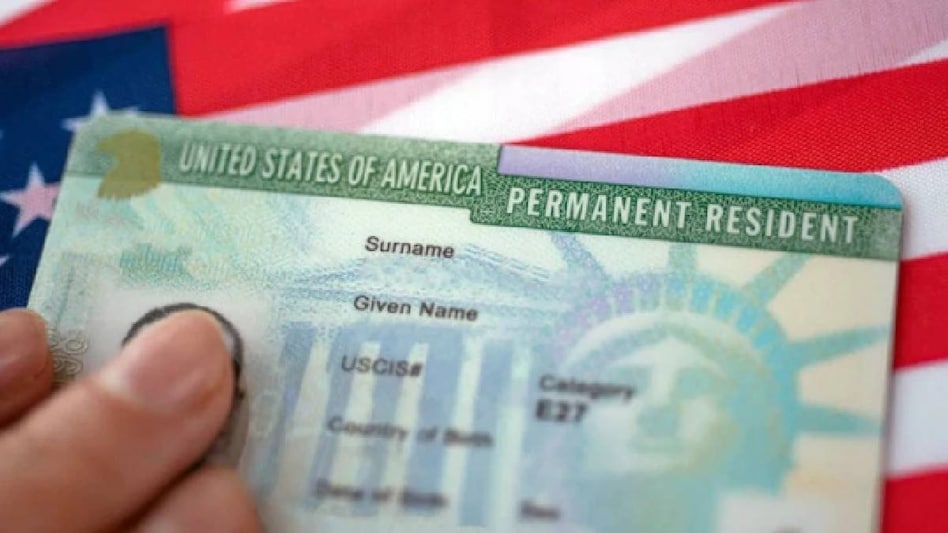
 US senator pushes green card bill for 8 million long-term residents including H-1B holders
As the Trump administration tightens immigration enforcement, a senior Democratic senator is pushing legislation that could open a permanent residency pathway for more than eight million long-term US residents, including the large number of Indian professionals stuck in the H-1B backlog.
Senator Alex Padilla of California has reintroduced a bill that would allow immigrants who have lived continuously in the United States for at least seven years to apply for lawful permanent resident status, provided they have no criminal record and meet all other existing green card requirements. The proposal would modernise an immigration provision, known as the Registry, that has not been revised since 1986.

 Meta's 'technical glitch' removes PM Modi post from Facebook; Officials likely to be summoned
 HDFC Bank shares in focus: MD, CFO, Group Head fined in MSRDC case; warning letters issued
 'AI is a profound civilisational shift': N Chandrasekaran says software companies won't be left behind
 E20 row: Nitin Gadkari seeks ₹11 crore in damages over abusive posts, AI deepfakes
 Deepinder Goyal's Temple jumps to $375 million valuation; here's why employees stand to gain
 DCB Bank Management | Q1 Earnings, Loan Growth, Margins & Asset Quality Explained
 Infosys Fined In France: 70-Hour Work-week Debate Returns After €175,000 Labour Penalty
 I.T. Sector Outlook: Is the Worst Over for Indian I.T. Stocks After Long Underperformance?
 France And Spain Wildfires Threaten Cap Ferret Mansions And Bordeaux Wine Country
 Maruti Suzuki Eyes 25-30% SUV Growth, Says CNG Demand Has Overtaken Diesel
 Infosys, RIL shares face weight cuts by Kotak; Eternal, IndiGo, SHFL get a lift
 Xtranet Technologies IPO allotment: Check application status, latest GMP & listing date
 Indo-MIM IPO allotment: Step-by-step guide to check status, fresh GMP, listing date & more
 Hindustan Unilever shares slip after Q1 profit declines 4% YoY; revenue rises 10%
 Meesho shares down 3% amid block deal buzz; check fresh targets, upside potential & moreInfosys, RIL shares face weight cuts by Kotak; Eternal, IndiGo, SHFL get a liftXtranet Technologies IPO allotment: Check application status, latest GMP & listing dateIndo-MIM IPO allotment: Step-by-step guide to check status, fresh GMP, listing date & moreE20 row: Nitin Gadkari seeks ₹11 crore in damages over abusive posts, AI deepfakesMeta's 'technical glitch' removes PM Modi post from Facebook; Officials likely to be summoned










