


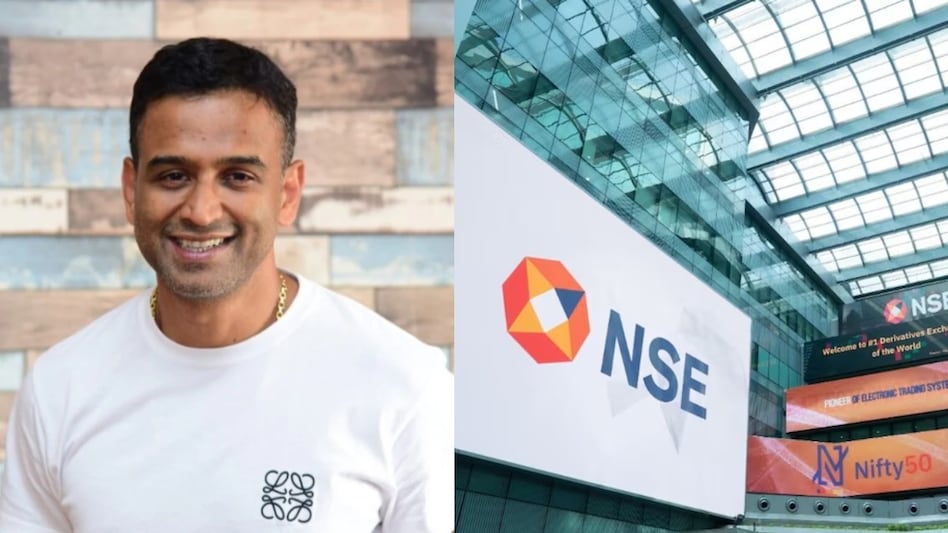
 Nithin Kamath bullish on NSE IPO; here's why
Zerodha co-founder Nithin Kamath on Sunday described the National Stock Exchange (NSE) as a "cash machine" due to its highly profitable and capital-light business model. He added that the NSE is likely to continue its stride even after its listing because it can't do much with the excess profits.
"NSE is a cash generation and distribution machine. In FY26 alone, NSE earned a profit of over ₹10,300 crore and paid out roughly ₹8,660 crore in dividends— a payout ratio of 84%. This will likely continue even after listing because NSE can't do much with the excess profits. SEBI doesn't allow exchanges to invest in other businesses, listed or private," Kamath wrote on X.
FAQs
Why did Nithin Kamath call NSE a 'cash machine'?
Nithin Kamath said NSE has a highly profitable and capital-light business model that generates large cash flows. In FY26, NSE reported a profit of over ₹10,300 crore and paid around ₹8,660 crore as dividends.
Why is NSE likely to keep paying high dividends even after listing?
Kamath said NSE may continue high dividend payouts because it cannot freely deploy excess profits into other businesses. SEBI rules restrict stock exchanges from investing in listed or private businesses outside their core framework, which limits growth avenues for surplus cash.
What tax issue did Kamath highlight about dividends versus reinvestment?
He explained that dividends can lead to double taxation in practice. A company first pays corporate tax, and then shareholders may pay tax again on dividend income at their marginal rate, while reinvested earnings can support stock price growth and attract lower capital gains tax only when shares are sold.
What are the key details of the NSE IPO?
NSE has filed its DRHP for a proposed IPO estimated at about ₹30,000 crore, which could become India’s largest-ever IPO. The issue is a pure offer for sale of up to 14.89 crore shares, or about 6 percent of equity, so NSE itself will not raise fresh capital.

 BRICS New Delhi Declaration calls for dialogue and multilateralism: All that it says
 HDFC Bank submits two names for MD & CEO post as Sashidhar Jagdishan’s term ends
 ‘Everything will work out just fine’: Trump says Iran war will end very soon, oil prices will drop
 ‘Mojtaba is alive, doing his job’: Iranian President Pezeshkian says US is spreading propaganda
  'BRICS remains a useful hedging instrument': Expert explains what G2, G3 would mean for India
 PM Modi Proposes BRICS Reform Roadmap, Calls For Global Governance Reset
 PM Modi Proposes 10-Point BRICS Reform Roadmap For Global Governance
 PM Modi, Xi Jinping, Vladimir Putin & BRICS Leaders Explore Bharat Innovates Exhibition In Delhi
 PM Modi, Xi Jinping & Putin Together At BRICS Summit In Delhi
 PM Modi Launches Two Postage Stamps Marking 20 Years Of BRICS At 2026 Summit
 Large caps stocks under pressure as rising US bond yields, crude prices weigh on foreign flows
  SEBI proposes bringing unexecuted Iceberg orders into closing auction
 SEBI proposes new expiry-day settlement formula for derivatives after CAS concerns
 Silver may climb to Rs 3.25 lakh, but January peak looks distant: Navneet Damani
 NSE IPO: Should you subscribe? Check price band, key details, fresh GMP, valuations & brokerage view
 PM Modi-Xi Jinping bilateral meeting begins on sidelines of BRICS Summit
 1,212 pillars, 22 sacred wells: The temple behind the BRICS photo
 Modi at BRICS Summit: ‘UNSC reforms can no longer wait’, PM calls for global governance overhaul
 New Delhi Declaration: BRICS nations condemn Pahalgam terror attack; call for concerted actions against terrorists
 BRICS Summit 2026: PM Modi proposes 'Troika arrangement', secure digital repository to strengthen BRICS continuity












