


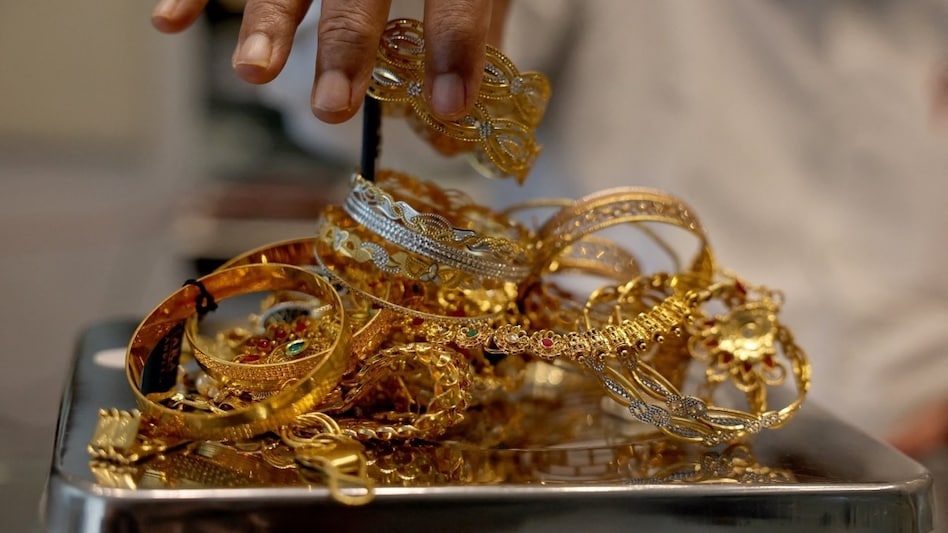
 Receiving inherited gold isn’t taxable. While the transfer itself is exempted, capital gains tax arises only when you sell it.
My father, who lived in Delhi, passed away in October. His locker there contains several 20g gold bars but no purchase bills or proof of ownership. I live in Bangalore and want to transfer the gold here, is there a lawful way to transport it without running afoul of authorities? What documentation (e.g., death certificate, probate/succession certificate, locker records) do I need to establish legal ownership and clear customs/police checks during inter-state movement? If I decide to sell the bars, what tax implications and KYC/valuation documents will buyers or jewellers require? Appreciate practical, step-by-step guidance.
Advice by Shraddha Nileshwar, Head – Will & Estate Planning at 1 Finance

 HDFC Bank's next CEO: Deputy MD Kaizad Bharucha in focus after Jagdishan opts out
 India's debt ratio looks reasonable, but its interest cost doesn't, says ISB finance professor
 Less than $1 per tonne-km: Bengaluru startup announces autonomous seaplane to cut cargo costs
 China says it has shared satellite, hydrological and early-warning data with Nepal
 Nepal issues fresh flood alert as Bhote Koshi river flow increases further
 Mid & Small Caps Rally: Why Strong Earnings Could Keep The Rally Going In 2026
 Content Creators: Are Free Products & Brand Gifts Taxable? GST & Income Tax Explain
 Xiaomi's Sub-Brand Mijia Launches New Air Purifiers In India
 Can Quick Commerce Growth Help It Reclaim Its All-Time High? | Zomato Shares | Swiggy Shares
 From ‘Pothole City’ To Global Hub? D. K. Shivakumar’s Big Bengaluru Vision
 Jio Platforms IPO gets SEBI nod: Rs 27,500 crore debt repayment plan, $100 billion valuation in focus
 Closing Auction Session: Why the system expected to reduce volatility is still seeing occasional wild swings
 RIL-backed penny stock hits 52-week low; firm clarifies on high trading volume
 Happiest Minds shares slip despite IT stocks surge; here's what is weighing on the stock
 BEL, Solar Industries shares remain Nuvama's top defence picks; here's what it said on BDL, Data Patterns, HAL
 'If a Hindu wants no Muslims in Bharat, he is not...': RSS chief Mohan Bhagwat in New York
 Nepal flash floods: Principal rings school bell, saves 1,643 children as floodwaters sweep through villageMid & Small Caps Rally: Why Strong Earnings Could Keep The Rally Going In 2026
 NEET-PG 2026 disrupted by power failure in Jaipur, affected candidates to reappear on Sep 5China says it has shared satellite, hydrological and early-warning data with Nepal












