


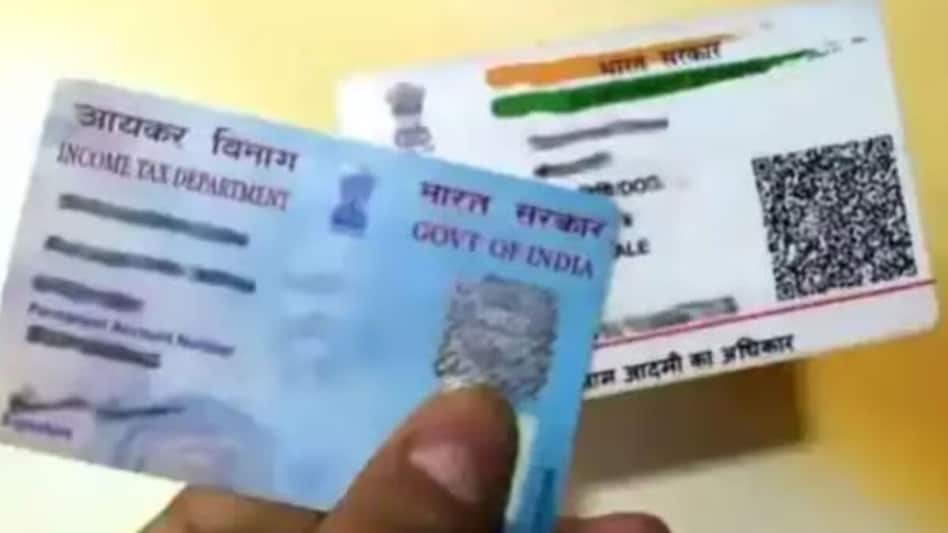
 The Aadhaar card, a 12-digit unique identity number assigned to every Indian individual, including children and infants, is designed to establish the uniqueness of each person based on their demographic and biometric data.
Recent developments have highlighted the potential misuse of artificial intelligence tools like ChatGPT in generating photorealistic fake identification documents, such as Aadhaar and PAN cards. Multiple individuals on social media have been circulating fabricated Aadhaar and PAN cards produced using ChatGPT. Although these actions may have been taken in jest, they raise concerns about the ethical utilization of AI tools for generating realistic images.
A report in the Economic Times revealed that ChatGPT could produce Aadhaar card-like images with a striking resemblance to the real ones. However, the cards reportedly had jumbled text and numbers. The AI capability to produce fake cards has sparked debates on social media, focusing on the security risks and the need for AI regulation.

 Markets Next Week: Jio Platforms IPO, high crude oil prices and Q2 earnings in focus
 10 investing mistakes retail investors should avoid, from overpaying to panic selling
 Navratri gift: Govt caps margins to 30% for 137 anti-cancer drugs; revised prices from Nov 9
 Yes Bank examining in detail Supreme Court verdict on AT1 bonds: CEO
  Top 10 industries where women make up the majority of the workforce: Here's the list
 Gold Investment Options: ETFs, EGR And MCX Explained | How To Invest In Gold Beyond Physical Buying
 Redmi Note 17 Pro Max Review , Vivo V80, Vivo Vision | Tech Gear EP 20 | Business Today
 Mahindra XUV 3XO ZNG Review: Turbo Power Meets CNG Mileage
 Gold, Silver Prices: Limited Upside Ahead Of Diwali? Expert Sees Gold At ₹1.5 Lakh, Silver At ₹2.3
 Expert Names REITs And INVITs To Watch For Quarterly Payouts And Potential Investment Returns
 Markets Next Week: Jio Platforms IPO, high crude oil prices and Q2 earnings in focus10 investing mistakes retail investors should avoid, from overpaying to panic selling
 YES Bank Q2 profit rises 65% to Rs 1,080 cr; proforma impact of restatement of AT-I bonds revealed
 ICICI Bank Q2 results: Net profit jumps 20% to Rs 14,843 crore; NIM contracts
 IDBI Bank Q2 net profit falls 39% to Rs 2,205 crore on year-ago's one-off gain
  Quote of the Day by Ritesh Agarwal: 'Building culture as part of your team is extremely important'
 Over 1,200 arrested: Historic 143-year-old town hall in Limoges burnt down amid widespread French riots
 Kawasaki's new Versys 900 packs 122 bhp, but its biggest surprise isn't the engine
 OPPO K14 Plus 5G vs Nothing Phone (4b) 5G: Which phone offers better value under ₹40,000?
 Maruti Suzuki festive offers: Grand Vitara gets benefits of up to Rs 1.36 lakh, but conditions apply












