


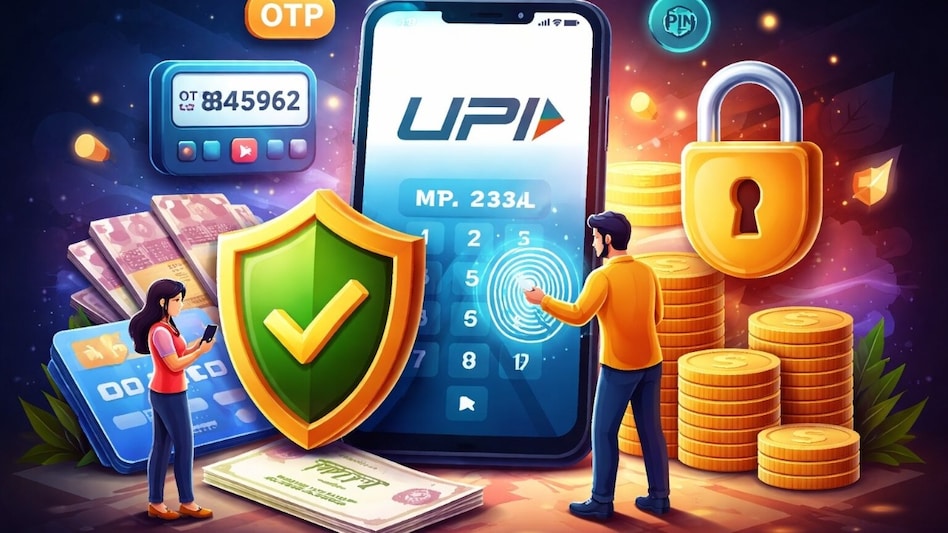
 The launch comes at a time when digital payment fraud in India is rising sharply. Fraud values surged more than fivefold to exceed ₹1,400 crore in FY2024, according to RBI-linked data.
Flipkart has partnered with Axis Bank and PayU to introduce biometric authentication for card payments, marking a significant shift away from OTP-based verification in India’s fast-evolving digital payments ecosystem. The feature allows users to approve transactions using fingerprint or facial recognition, offering a faster and more seamless checkout experience.
The service is currently being rolled out for Axis Bank cardholders and is enabled through issuer-level biometric verification on supported Android and iOS devices. By eliminating the need for one-time passwords (OTPs), the solution aims to reduce transaction failures, delays, and friction commonly associated with SMS-based authentication.

 Retail inflation hits 21-month high, set to squeeze your household budget further
 Crude oil may hit $110, India's import basket could touch $130 in 10 days: SBI Research
 Nifty may fall another 5%? Market expert flags key risks for Dalal Street
 India's retail inflation rises to 5.54% in September; food inflation hits 7.74%
 BT EXCLUSIVE | India not unique in satellite licensing process; compliance rules apply globally, says Eutelsat OneWeb's Neha Idnani
  India-UK Trade Ties Set for Fresh Push? Goyal Calls for Faster Business Cooperation
 Rahul Gandhi Vs Gyanesh Kumar: 200 Officers Claim Escalates Election Commission Row
 Small Cap Stocks Could Crash 50%? Why Investors Need to Be Cautious
 Nifty May Fall Another 1,000 Points? Market Expert Flags 5% Downside Risk
 Why India's Government Bond Yields Are Rising | Demand, Supply and RBI Policy
 Nifty may fall another 5%? Market expert flags key risks for Dalal Street
 HCLTech Q2 results: Profit up 21% at Rs 5,132 crore; announces Rs 12 per share dividend
 L&T Technology Services launches AI lab with NVIDIA for digital manufacturing, stock gains
  CG Power shares: Analyst says book profit on rallies and buy on dips
 Eicher Motors, TVS Motor, Maruti Suzuki, M&M shares among Elara's top auto picks; check targetsRetail inflation hits 21-month high, set to squeeze your household budget furtherBT EXCLUSIVE | India not unique in satellite licensing process; compliance rules apply globally, says Eutelsat OneWeb's Neha Idnani
  Stellantis to ride on Tata Motors technology for global markets
 Microsoft President calls for greater safety oversight, says ‘even milk has safety inspection’Crude oil may hit $110, India's import basket could touch $130 in 10 days: SBI Research












