


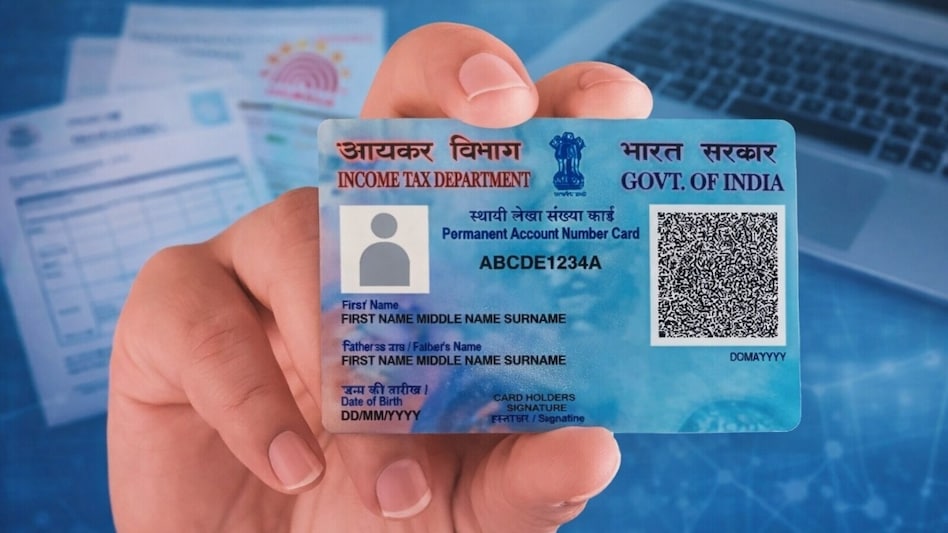
 The PAN quoting threshold for cash payments made at hotels and restaurants has been increased from ₹50,000 to ₹1 lakh per transaction.
The Income Tax Rules, 2026 have introduced significant changes to Permanent Account Number (PAN) requirements, relaxing norms for several routine transactions while tightening compliance for high-value property deals, insurance premiums and cash withdrawals.
The revised framework, which also replaces Form 60 with the new Form 97, seeks to simplify lower-risk transactions while strengthening reporting requirements for larger financial activities.

 ISRO places EOS-05 into orbit: Why India’s first geo-orbit imaging satellite matters
 Janmashtami 2026: Banks closed today in several states, Check convenient alternatives
 Janmashtami travel alert: Delhi gets special trains to Mathura, Ringas and Varanasi
 Hombale Films takes 'Hanuman Ansh' global: Check worldwide release date after ₹61 crore success
 'Methodology is very robust': Former statisticians back GDP base year revision
 Maruti Suzuki Sees Strong Demand Ahead; ‘No Reason Why We Should Not Sustain Volumes’: Partho Banerjee
 Ultravolt: Birla’s New Wires & Cables Bet | Kumar Mangalam Birla Explains The Opportunity
 Why Did India’s GDP Fall From ₹86L Cr To ₹80L Cr? | MoSPI Secy Dr. Saurabh Garg Explains
 India Back To ‘A’ Rating After 38 Years: N K Singh Explains The Big Economic Shift
 Exposing The GDP Controversy: Why Subhash Garg's Math Is Flawed
 Coal India, Finolex Cables, Gulf Oil, Federal-Mogul Goetze among stocks to turn ex-dividend tomorrow, details here
 Fintech smallcase launches US stock, ETF portfolios for Indian investors
 Sensex plunges over 2,100 points in 3 minutes; what happened in final 5 minutes?
 Britannia, Tata Consumer, Marico: What should investors do as commodity inflation rise
 How EV-themed stocks could impact sentiment on Maruti Suzuki counter
  Estonia defense minister resigns over €70M failed Ukraine deal with India-linked firm
  Quote of the Day by Rakesh Jhunjhunwala: ‘I don't think Indian e-commerce companies have an evolved business model’ ISRO places EOS-05 into orbit: Why India’s first geo-orbit imaging satellite matters
 OTT releases this week (August 31- Sept 06): 'Dhamaal 4', 'GDN', 'Gandhari' and more to watch this weekend
 Vijay’s ₹46,450 gesture: Why his Dior sunglasses ended up with an elderly woman












