


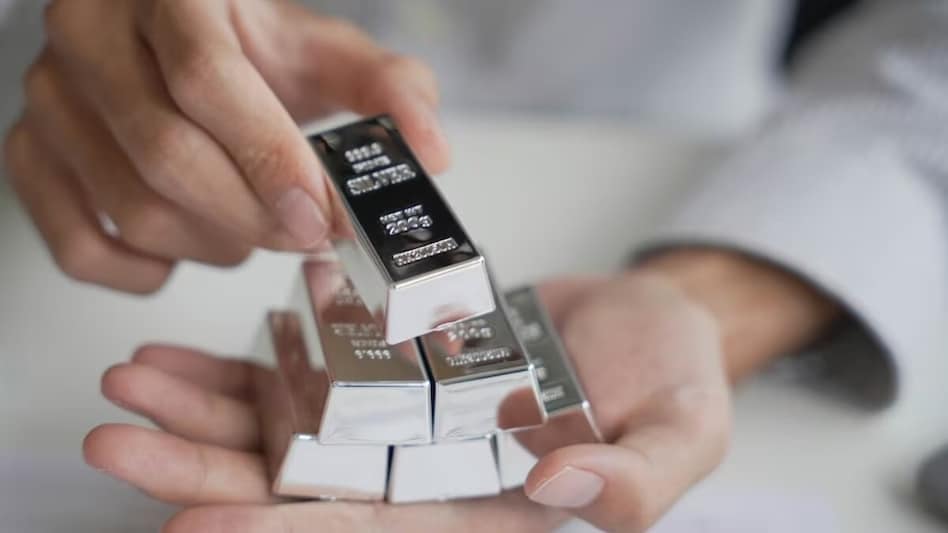
 Official data shows significant growth in voluntary silver hallmarking. The number of silver jewellery articles hallmarked increased to 59 lakh in FY26, up from more than 32 lakh articles in FY25.
The Bureau of Indian Standards (BIS) is assessing the regulatory framework and infrastructure required before making hallmarking of silver jewellery and artefacts mandatory across India, BIS Director General Sanjay Garg said on Thursday.
Speaking on the sidelines of a FICCI event, Garg said silver hallmarking poses greater implementation challenges than gold hallmarking due to the diverse nature of the silver market.

 AI boom is helping offset oil shock, but global economy still faces risks, warns IMF
 Apple may manufacture iPads, MacBooks in India, but local components take priority
  ITC, Eternal, Swiggy, HUL, Titan, Jubilant Food shares: BNP Paribas target prices
 Piper Serica exits CDSL, CAMS shares; adds Gland Pharma, Astra Microwave
 Expired food, pests, foul smell: Posh Delhi hotels booked for BRICS summit under FSSAI lens
 Onam 2026: Kerala Celebrates Mahabali, Pookkalam, Sadhya And Gen-Z Festivities
 Hindustan Copper OFS: Is This The Right Time For Retail Investors To Buy?
 Sugar Stocks Or Pharma: Where Should Investors Bet?
 FM Sitharaman Invites Canadian Investors To India’s Insurance, Chips And Rare Earths
 Gurugram, Delhi Drown After Hours Of Rain | Roads Flooded, Children Stranded
 ICICI Prudential AMC: Promoter Prudential to sell 2% stake; stock slips
 Adani-backed Cemindia Projects may raise up to Rs 5,000 crore through QIP: Report
 Why did Sensex, Nifty erase gains to settle lower today?Piper Serica exits CDSL, CAMS shares; adds Gland Pharma, Astra MicrowaveITC, Eternal, Swiggy, HUL, Titan, Jubilant Food shares: BNP Paribas target prices
 Gujarat industrial land prices are unsustainable for manufacturing: Founder shares pain of setting up plant
 Vedanta denies reports of stake sale in Vedanta Ltd, Vedanta Aluminium Metal or group companiesICICI Prudential AMC: Promoter Prudential to sell 2% stake; stock slips
 India paid second highest additional fossil fuel import bill during Iran conflict. Report finds $22 billion billAdani-backed Cemindia Projects may raise up to Rs 5,000 crore through QIP: Report












