












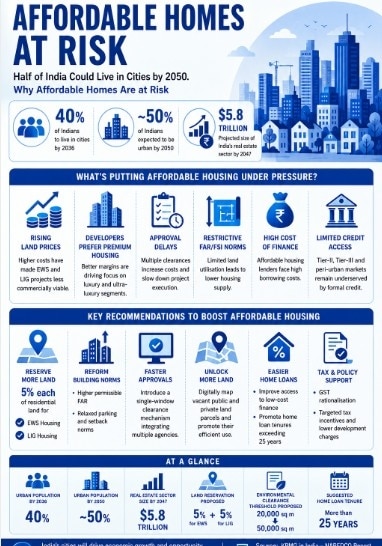



 One of the major concerns highlighted in the report is the increasing preference among developers for middle-income, luxury and ultra-luxury housing projects.
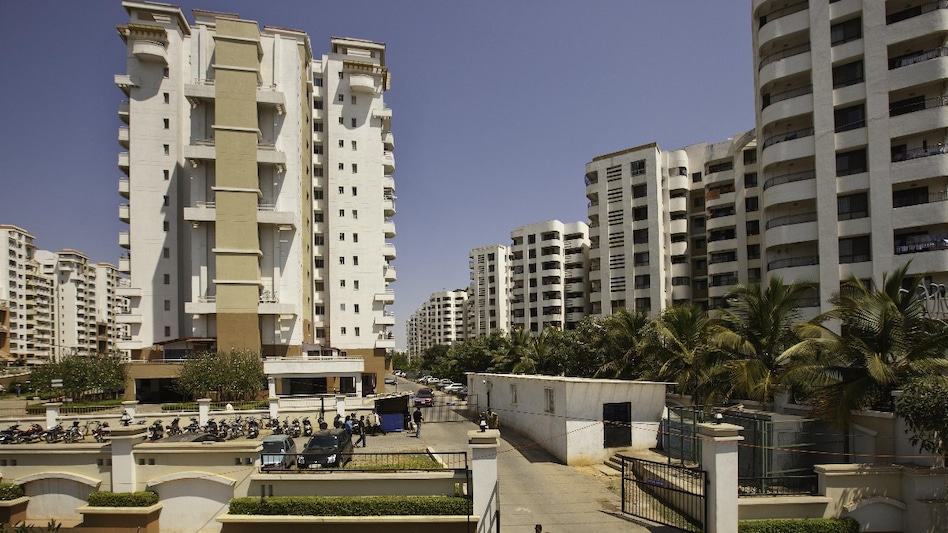
India's urban transformation is gathering pace, but the country's ability to provide affordable housing to millions of people could come under increasing strain in the decades ahead.
According to a joint report by KPMG in India and the National Real Estate Development Council (NAREDCO), nearly 40% of India's population is expected to live in urban areas by 2036, with almost half of all Indians projected to reside in cities by 2050. The shift is expected to fuel demand for housing, infrastructure and urban services on an unprecedented scale.

 'Comparing apples and oranges': CBIC responds to Subhash Garg's claim on GST growth
 'No trace of any call with Zayed': Netanyahu sues Haaretz over report on UAE warning ahead of Oct 7
 LPG connections cross 10.5 crore under Ujjwala, but only 23% of rural households use it exclusively: CEEW report
 UIDAI launches new face authentication software development kit to ease Aadhaar access for Indians overseas
 Rising cyber fraud puts customers at risk; banks need to invest more: Bank of Baroda CEO
 Tata Curvv EV: First Look At The Tech-Packed Electric SUV
 IDBI Bank Stake Sale: Fairfax Bid, ₹53,000 Cr Valuation & Deal Delay Explained
 Adani Group Plans $2.5 Billion Offshore Loan To Refinance Cement Acquisition Deb
 Sugar Exports Under Pressure: Tight Stocks, Ethanol Diversion & Weather Risks Cloud
 Brent Crude Crosses $100: India’s Oil Basket Hits $108.9; What It Means For Markets
 Index manipulation case: Sebi lifts trading ban on JPMorgan unit after Rs 2.96 crore deposit
 Dow considers exit from $20 billion Saudi Aramco chemicals venture Sadara
 Nifty IT tumbles 3%: Near-term trend weak; AI concerns, US rate worries weigh
 Cupid's Aditya Kumar Halwasiya ups stake again; buys 15 lakh shares
 ASM Technologies stock hits record high as RK Damani entity, Asha Mukul Agrawal back fund raisingIndex manipulation case: Sebi lifts trading ban on JPMorgan unit after Rs 2.96 crore deposit
 BRICS Summit 2026: Supreme Court declares holiday on Sept 11, Registry also closed on Sept 12
 APSEZ wins Paradip dry bulk berth project, adds 18 MMT capacity to East Coast network
 Here's what RBI DG Rohit Jain said on need for more safeguards at GFF 2026Dow considers exit from $20 billion Saudi Aramco chemicals venture Sadara


