

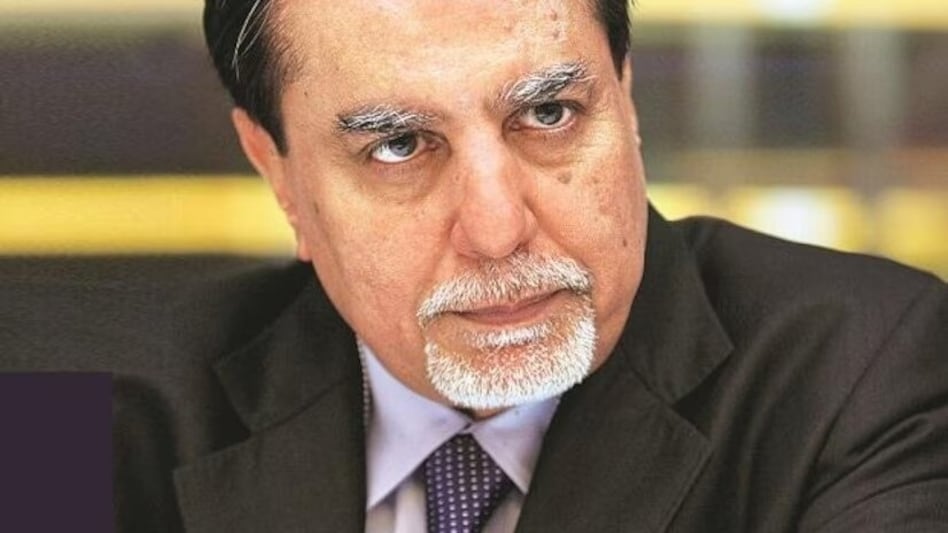
 Zee group founder Subhash Chandra is said to have purchased the property in 2015 for Rs 304 crore.
In one of the biggest real estate deals ever in the country, Zee group founder Subhash Chandra has reportedly sold his bungalow in Delhi’s Lutyen’s Zone for a whopping Rs 1,260 crore. Sources say the buyer is a prominent Delhi-based business family without revealing further details, including the identity.
The 2.8-acre property on the Bhagwan Das Road sits bang in proximity of national landmarks like Mandi House and Bharat Mandapam.
 India becomes key diesel supplier to Europe via Bab-el-Mandeb
 'ISRO will remain the bedrock of India's space sector': Pawan Goenka clarifies space agency's future role
 Clash with BRICS Leaders’ Summit: GST Council meeting likely to be rescheduled
 West Bengal has Rs 8 lakh crore debt. Then why is it giving Rs 3,000 cash? FM Swapan Dasgupta explains
 Apple wanted to bring their Chinese vendors: Ex-NITI Aayog VC makes case for more China FDI
 Equity, FDs, Gold & More: How Couples Should Plan Their Investments Together
 How Couples Can Balance Shared Goals With Individual Dreams And Financial Needs
 FSSAI CEO On Misleading Food Ads, Brand Crackdowns And Pressure From Industry Lobby
 Couples & Tax Planning: How Smart Expense Planning Can Help Reduce Family Tax Outgo
 Mutual Fund Allocation: How Much Should Investors Allocate To Large, Mid & Small Cap Funds?
 APL Apollo, GNFC, Apar, Force Motors among stocks to turn ex-dividend next week; big payouts in focus
 LIC weighs NSE IPO strategy: CEO says market conditions, valuation to decide final move
 IHCL, LemonTree, Chalet among 5 hotel stocks to buy; analysts see up to 49% upside
 FCNR(B) windfall lifts NBFCs, small private banks: Why these stocks may be the bigger winners
 20 Asia-Pacific stocks with up to 145% upside: Full ‘Going For Glory’ list, no Indian stock included
 Ganga crosses highest flood level in Patna: Over 22 lakh affected as Bihar floods worsen'ISRO will remain the bedrock of India's space sector': Pawan Goenka clarifies space agency's future roleEquity, FDs, Gold & More: How Couples Should Plan Their Investments Together
 ‘I picked up my phone and asked for...’: Smriti Irani recalls seeking work after losing Amethi in 2024 electionWest Bengal has Rs 8 lakh crore debt. Then why is it giving Rs 3,000 cash? FM Swapan Dasgupta explains












