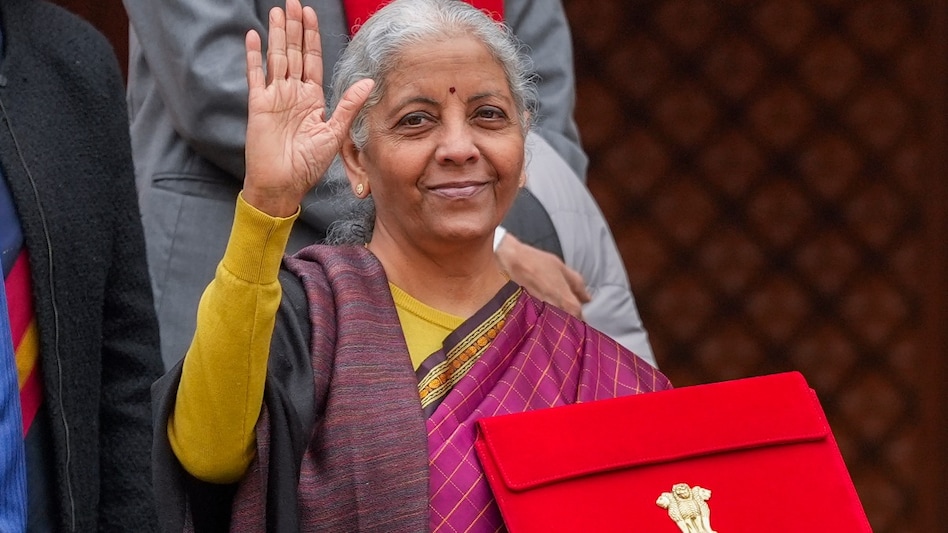
 Tax experts have welcomed the move as a step towards decriminalisation and trust-based tax administration. (Photo:PTI)
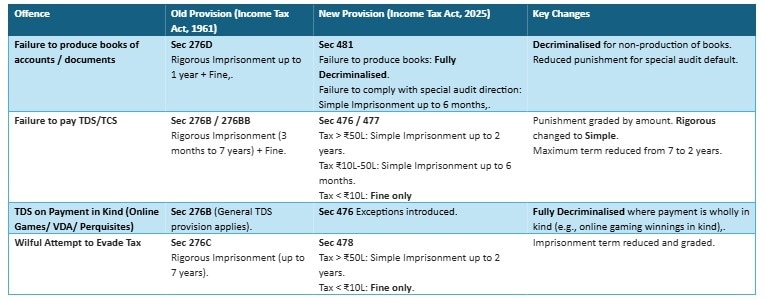
Presenting the Union Budget 2026–27, Finance Minister Nirmala Sitharaman announced a major revamp of penalty and prosecution provisions under the Income Tax Act to reduce litigation and ease compliance. She proposed a single, integrated order for assessment and penalties to prevent multiple proceedings. Sitharaman also said no interest would apply on penalty amounts during pending appeals, and reduced the mandatory pre-deposit for appeals from 20% to 10%, offering significant cash-flow relief to taxpayers.
Tax experts have welcomed the move as a step towards decriminalisation and trust-based tax administration. “The Centre has undertaken a comprehensive rationalisation of the penalty and prosecution provisions in Budget 2026. The objective is to decriminalise technical offences, convert penalties for procedural defaults into fees to reduce litigation, and ensure that punishment is proportionate to the gravity of the offence,” said CA Dr Suresh Surana.

 Apple’s growth under CEO Tim Cook: The journey from $350 billion to $5 trillion
 Top 1,000 listed Indian companies see 53% jump in FY25 carbon emissions: IIM-Bangalore study
 How Tim Cook introduced larger iPhone screens and changed Apple’s smartphone strategy
 HDFC Bank's next CEO: Deputy MD Kaizad Bharucha in focus after Jagdishan opts out
 NSE's ₹30,000 crore IPO: SBI, its investment banking arm to offload 1% stake
 Gold Vs Silver Vs Sensex Since 2005: Which Investment Delivered Better Returns?
 “Women’s Reservation Will Be Fulfilled”: Kiren Rijiju On Delimitation And Census
 Freelancers & Content Creators: How To Plan Tax On Irregular Income? Expert Explains
 “Gen Z Is Not Anti-BJP”: Tejasvi Surya On Winning Young Voters And The BJP’s Youth Strategy
 Mid & Small Caps Rally: Why Strong Earnings Could Keep The Rally Going In 2026
 NSE's ₹30,000 crore IPO: SBI, its investment banking arm to offload 1% stake
 Jio Platforms IPO gets SEBI nod: Rs 27,500 crore debt repayment plan, $100 billion valuation in focus
 Closing Auction Session: Why the system expected to reduce volatility is still seeing occasional wild swings
 RIL-backed penny stock hits 52-week low; firm clarifies on high trading volume
 Happiest Minds shares slip despite IT stocks surge; here's what is weighing on the stockApple’s growth under CEO Tim Cook: The journey from $350 billion to $5 trillionGold Vs Silver Vs Sensex Since 2005: Which Investment Delivered Better Returns?Top 1,000 listed Indian companies see 53% jump in FY25 carbon emissions: IIM-Bangalore study
 Escaped Kerala prisoner returns to police station for Aadhaar card, flees again after being recognised
 Do you still need Aadhaar for hotel check-ins? Here's what is changing