












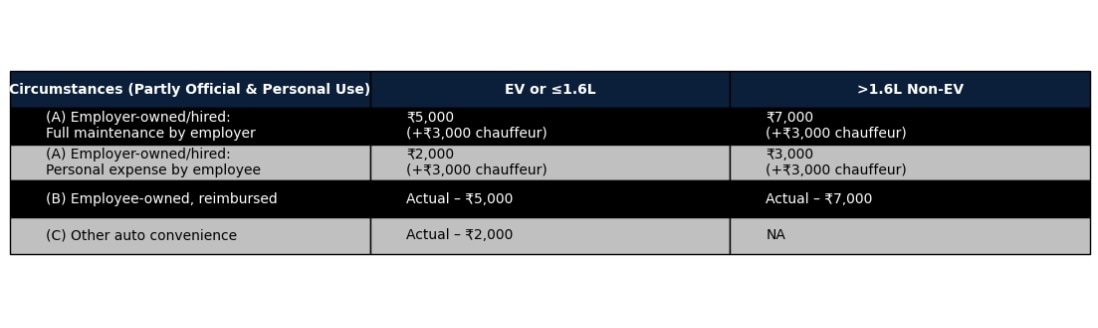



 With EV tax breaks and expanded HRA relief, the Income-tax Rules, 2026 clearly introduce targeted advantages for salaried individuals.
From April 1, 2026, a new set of income tax rules will come into force, marking a structural shift in how salaried individuals are taxed and how their compensation is evaluated. While the broader tax framework remains unchanged, the Income-tax Rules, 2026 introduce targeted benefits for salaried taxpayers—particularly around perquisite taxation and house rent allowance (HRA).
These changes are part of the transition to the Income-tax Act, 2025, replacing the decades-old 1962 rules, with a sharper focus on transparency, clarity, and modern compensation structures.

 'RBI letter does not mention listing': Noel Tata seeks full briefing on Tata Sons-RBI talks
 Tata Trusts asks Tata Sons to explore options other than listing, says ‘Tata Model has to be saved’
 Tata Trusts proposes ₹25,000 crore plan for SP Group, says Tata Sons listing is not an option
 Chandrasekaran had assured all necessary steps were being taken to remain private: Noel Tata
 'We cannot put the cart before...': Noel Tata's argument against N Chandrasekaran's reappointment
 Corporate Health Insurance Vs Retail Policy: Why You Need Personal Health Cover Too
 How India Changed In 12 Years: PM Modi’s Journey From Economic Reforms To Viksit Bharat
 Modi @76: From Twitter To Instagram, How His Digital Outreach Has Evolved
 Stock Picks To Watch: Shibani Kurian Reveals Kotak AMC’s Market Bets
 Gold ETF vs Physical Gold: Know the Tax Rules, Charges and Key Differences
 Hero Motors IPO subscribed 3.37 times on Day 2; retail portion subscribed over 5 times
 NSE IPO: India's largest exchange gets 43% subscription on Day 1; NIIs, retail see strong demand
 Rentomojo shares settle maiden trade nearly 32% above IPO price; what should investors do now?
 Sensex slips, Nifty settles higher; Tata stocks gain after N Chandrasekaran reappointment
 Cochin Shipyard, KRBL, RITES, Ramky Infrastructure among stocks to turn ex-dividend on September 18
 12.5 trillion tonnes gone: Greenland and Antarctica reveal a frightening shift
 MrBeast's biggest video arrives Saturday: $10 Million budget is public, but the actual concept is still under wraps
 iPhone 18 Pro, Pro Max sale starts today in India: Check store timings, features and direct-buy benefits
 Flipkart's biggest sale is back: October 9 could bring some tempting dealsCorporate Health Insurance Vs Retail Policy: Why You Need Personal Health Cover Too


