


 Introduced in 2012–13 and effective April 2017, GAAR targets tax avoidance through structures lacking genuine business purpose.
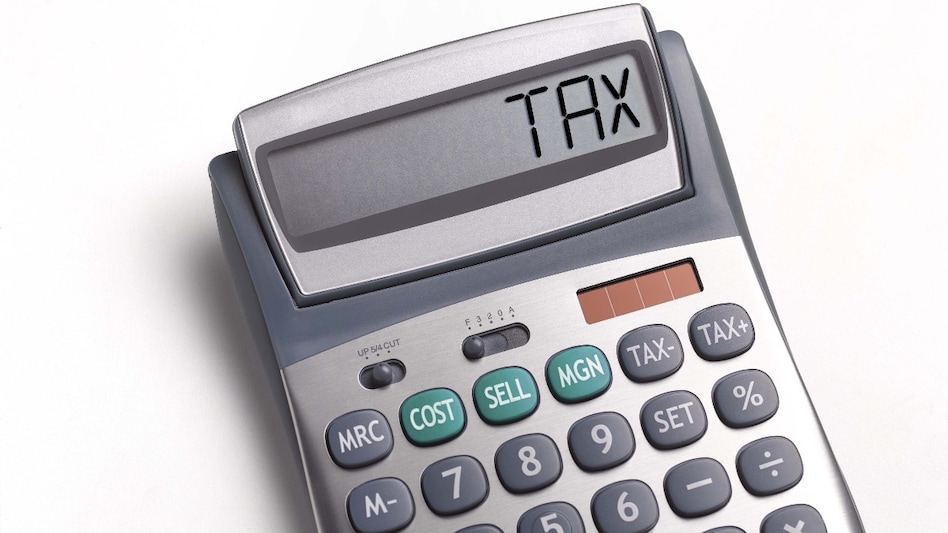
Tax changes 2026: In a decisive policy clarification, the Central Board of Direct Taxes (CBDT) has amended key provisions under the Income-tax Rules to ensure that foreign investments made before April 1, 2017 (pre-FY18) remain fully insulated from the General Anti-Avoidance Rules (GAAR). The March 31, 2026 notification removes lingering ambiguity by confirming that even if gains are realised after 2017, such legacy investments will not attract GAAR scrutiny.
The changes, introduced through amendments to Rule 10U of the Income-tax Rules, 1962 and Rule 128 of the Income-tax Rules, 2026, effectively “ring-fence” pre-2017 investments, restoring certainty for global investors with long-held India exposures.

 BRICS nations must open markets for each other’s products, ease up clearances: Piyush Goyal
  NSE IPO to take 2026 IPO fundraising past Rs 1 lakh crore, 3rd year in a row, 4th overall
 Hack-for-hire operations allegations: US lawmakers urge Lutnick to sanction 3 Indian tech firms
 BRICS Summit 2026: Vladimir Putin, Xi Jinping, Masoud Pezeshkian - PM Modi's top bilateral meetings
 Operation Economic Outcast: Scott Bessent says major bank in sanction crosshairs for helping Iran
 Crypto to Mutual Funds: Gen Z’s Surprising Investment Shift
 Gen Z Investors: Smart Investing Or Risky Game? Experts Decode The New Money Mindset
 Can BRICS Share Data Without Sharing Control? RITES CMD Rahul Mithal On MAITRI
 India’s Hidden Gems Could Unlock A $500 Bln Export Opportunity: ICIB’s Manpreet Singh
 China Is Not Just A Rival, It’s A Market For Indian Companies Says ICIB President Manpreet Singh
 Adani Ports' former CFO, MD settle PMC case with Sebi, pay Rs 13.65 lakh each
 Railway stocks: IRFC, IRCTC shares hit fresh 52-week lows; share price targets and more
  Raymond shares rally over 57% in two weeks; what's fuelling the surge?
 Glass Wall Systems (India) IPO: 3 Ways to allotment status; odds of getting shares & latest GMP
 Prasol Chemicals IPO: How to check allotment status on BSE, NSE & Kfin; odds of getting shares & GMP
 Meta Muse: The AI Agent That Could Actually Do Your Work
 Xiaomi's Ultra-Thin Power Bank With Unique PackagingAdani Ports' former CFO, MD settle PMC case with Sebi, pay Rs 13.65 lakh eachBRICS Summit 2026: Vladimir Putin, Xi Jinping, Masoud Pezeshkian - PM Modi's top bilateral meetings
 Ford Foundation evicted from Lodhi Estate premises where it was based since the 60s












