









 Lunar Eclipse 2026
  Lunar Eclipse 2026
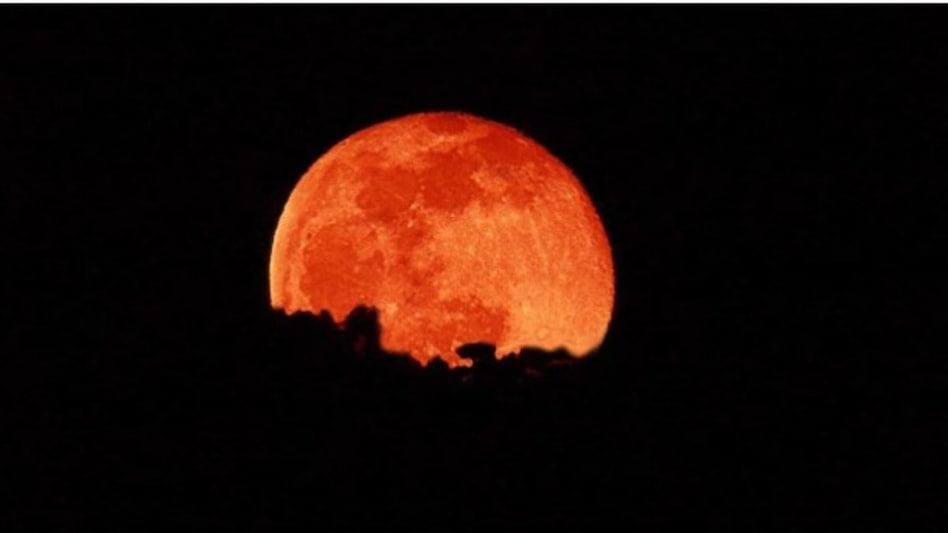
 On the evening of March 3, 2026, a total lunar eclipse will be visible across India as the Moon moves into Earth’s shadow, turning a deep copper‑red and remaining visible to the naked eye under clear skies. This will be the first total lunar eclipse of the year.
The penumbral phase (outer shadow) begins in the afternoon, followed by the partial phase. By early evening, the most dramatic moment arrives at totality, when Earth fully blocks direct sunlight from reaching the Moon.
Filtered sunlight passing through Earth's atmosphere will bathe the lunar surface in a deep red glow. This is why total lunar eclipses are often called “Blood Moons.”
What time will the eclipse be seen in India?
According to astronomical projections, the eclipse on March 3, 2026, will follow this approximate schedule in Indian Standard Time (IST)
Penumbral Eclipse Begins: Around 3:20 PM, Partial Eclipse Begins: Around 4:30 PM, Total Eclipse Begins: Around 5:40 PM
Maximum Eclipse: Around 6:10 PM, Total Eclipse Ends: Around 6:40 PM, Partial Eclipse Ends: Around 7:50 PM, Penumbral Eclipse Ends: Around 9:00 PM
The most spectacular visuals will occur during totality, when the Moon takes on its reddish hue shortly after sunset in many parts of India.
What exactly is a total lunar eclipse?
A total lunar eclipse happens when Earth comes directly between the Sun and the Moon. The Earth’s shadow has two parts: the penumbra (outer shadow) and the umbra (dark central shadow). When the Moon moves completely into the umbra, totality occurs.
The red colour appears because Earth’s atmosphere scatters shorter blue wavelengths of sunlight and bends the remaining red light toward the Moon, the same reason sunsets appear red.
Unlike solar eclipses, lunar eclipses are completely safe to watch without any protective eyewear.
Is it safe to watch with the naked eye?
Yes. Watching a lunar eclipse poses no risk to eyesight. You can watch it with your naked eyes, using binoculars or through a telescope. Even capture it on a smartphone camera, and no filters or special glasses are required.
What is Sutak Kaal?
In Hindu tradition, the period before a lunar eclipse is known as Sutak Kaal. It typically begins about nine hours before the eclipse starts. During this time, some families avoid cooking, eating, or performing religious rituals. Temples in certain regions may close temporarily. However, these customs vary widely across communities and are not universally followed.
Children, elderly individuals, and those who are unwell are traditionally exempt from these restrictions.
 IT hiring falls to 28-month low, but demand for AI talent remains strong
 Lilly’s experimental drug now shows benefits across obesity, diabetes, other conditions
  Adani Power corrects, but bullish signals remain intact: What investors should know
 Wipro, MTAR Technologies, Netweb Technologies shares slip up to 8% today
  YES Bank shares rebound to near 52-week high despite GST notice; check target price & more
 Russians, Americans & Indians Are Betting Big On UAE Real Estate | Ankur Aggarwal, BNW Developments
 How PM Modi’s Ujjwala Yojana Transformed 10 Crore Families and Empowered Women Across India
 TECH-IT-EASY | The Tech Gear Show EP 5 | Latest Technology News | Business Today
 Latest Launches Of The Week With AI SANA | Tech Gear EP 5 | Business Today
 "India Has World-Class Talent": Putin Unveils Russia's $25 Billion Commitment
 Rajesh Exports shares in free fall mode: Back-to-back lower circuits - What SEBI Chairman saidWipro, MTAR Technologies, Netweb Technologies shares slip up to 8% today YES Bank shares rebound to near 52-week high despite GST notice; check target price & moreAdani Power corrects, but bullish signals remain intact: What investors should know
 Apollo Hospitals, Federal Bank, GAIL, NBCC: Top stocks to buy - targets, stop loss & more