


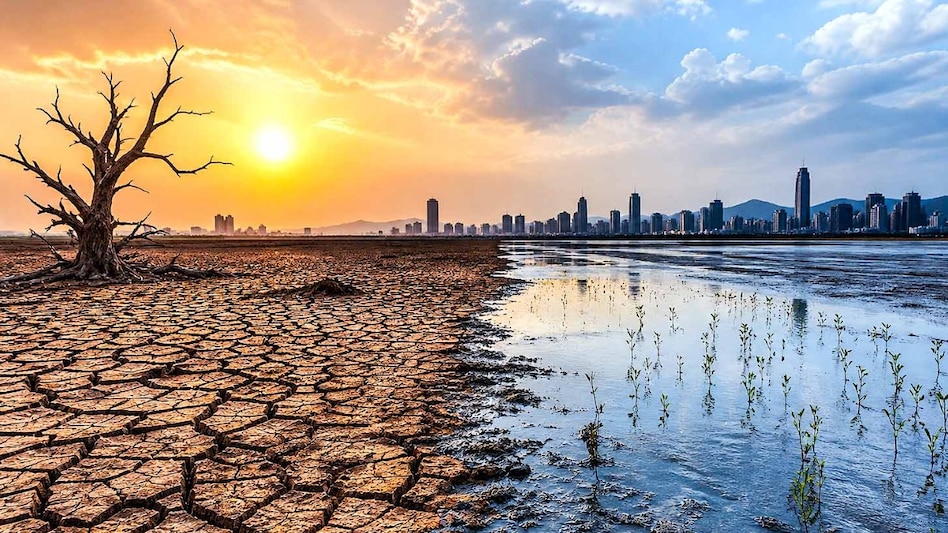
 The figure may sound small. After all, a difference of 1.5°C is barely noticeable on a daily weather forecast.
As India endures another summer marked by punishing heatwaves, soaring temperatures, water shortages, and rising energy demand, a climate benchmark that once seemed distant is now at the center of global concern: 1.5 degrees Celsius of warming above pre-industrial levels.
The figure may sound small. After all, a difference of 1.5°C is barely noticeable on a daily weather forecast. But when scientists talk about 1.5°C, they are referring to the average temperature of the entire planet — including oceans, polar regions, forests, deserts, and cities — compared with temperatures before large-scale industrialization.

 'Kolkata has become a city of old age pensioners': FM Swapan Dasgupta on Bengal's decline and skill shortage
 Trump made 1,000-plus trades in June: Here's what he bought and sold
 Escalating Hormuz crisis: Boris Johnson sees India as key to US exit strategy in Iran
 Gold jewellery to property: Radhika Gupta on what actually counts as an investment
 Delhi H1N1 outbreak: No cause for panic, currently circulating strain not a new one, says ICMR
 Commuted Vs Uncommuted Pension: Know The Difference And How Each Is Taxed After Retirement
 Motor Insurance Add-Ons You Actually Need Explained: Zero Depreciation, RSA & Return-To-Invoice
 No Claim Bonus Explained: When Should You Claim Or Pay For Repairs Yourself?
 Motor Insurance Premium: What Factors Determine How Much You Pay?
 How Is Retirement Income Taxed For Senior Citizens? Key Rules Explained
 Hold YES Bank, Federal Bank; buy HDFC Bank, Kotak Mahindra, Axis: ICICI SecuritiesTrump made 1,000-plus trades in June: Here's what he bought and sold
 ABH Healthcare IPO: Check key dates, price band, issue size, latest GMP, listing details & more
 India stocks lag global markets in 2026: BofA data shows 9.1% decline in USD terms
 'FOMO, fixed return': SEBI proposes revamped ad code for bond portals from misleading investors
 Small finance bank FDs offer 8.10% vs SBI’s 6.45%: Is the extra 165 bps worth the risk?
 How NRIs can take PPF money overseas: The NRO-to-bank-account route explained
 Large Manufacturing Universe: Why Indian manufacturing must build a distinct advantage
 Private banks vs PSU banks: Goldman Sachs sees a major shift in the next two years
 EPF vs stock market: EPFO explains why they should not be viewed as substitutes












