


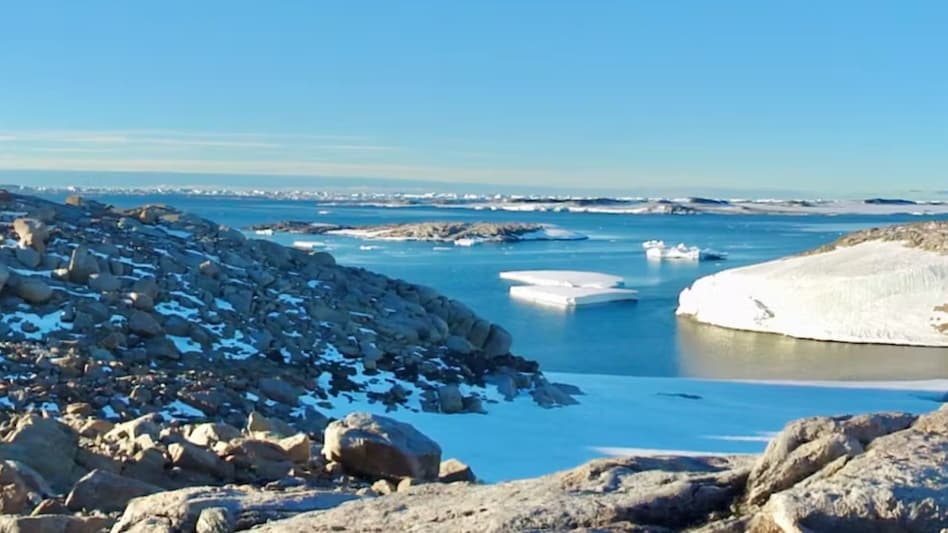
 A single heatwave is unlikely to cause a dramatic jump in global sea levels, but scientists warn that recurring events of this nature signal a larger and more worrying trend.
Parts of Antarctica have recorded winter temperatures as much as 20°C above the seasonal average, in an episode that has broken long-standing records and led to snow and ice melting during what is usually the harshest phase of the Antarctic winter. The unusual warmth has raised fresh concern among researchers about the pace of climate change in one of the coldest and most remote parts of the world.
The Antarctic Peninsula has been at the centre of the event, with scientists reporting a prolonged heatwave, temperatures above freezing for nearly three weeks, melting on the ground and exceptionally low winter sea ice in nearby waters. Researchers said the episode reflects both immediate weather conditions and a longer-term warming trend that has become more evident in recent decades.

 Mahindra takes battery-as-a-service to entire electric SUV line-up
 Closing Auction Session: Why the system expected to reduce volatility is still seeing occasional wild swings
 Reliance Industries denies Subhash Chandra’s media allegations
 Silver may be cheaper than gold as 2026 draws to a close: Report
 India paid 29% more for cooking gas after Hormuz strikes: Report
 Gen Z Is Changing Politics? D.K. Shivakumar On Youth Power & Rahul Gandhi’s Outreach
 Babita Singh Reporting, Part-Timers, Bandar & More: 5 OTT Releases To Watch This Weekend
 Using AI To Write? You Could Be Caught! Anthropic's Invisible Watermark Explained
 Shah Rukh, Salman & Madhuri-Backed Pernia’s Pop-Up Shop Parent Eyes ₹680 Cr IPO
 Explained: How China Is Using Old Chips, New Designs And Robots To Beat The Blockade
 Jio Platforms IPO gets SEBI nod: Rs 27,500 crore debt repayment plan, $100 billion valuation in focusClosing Auction Session: Why the system expected to reduce volatility is still seeing occasional wild swings
 RIL-backed penny stock hits 52-week low; firm clarifies on high trading volume
 Happiest Minds shares slip despite IT stocks surge; here's what is weighing on the stock
 BEL, Solar Industries shares remain Nuvama's top defence picks; here's what it said on BDL, Data Patterns, HAL
 Le Marche Faces 30-Day FSSAI Shutdown: What Went Wrong With The Luxury Grocery Brand?
 Maruti Suzuki Targets 1 Million Exports By FY31
 Kanda Express To Fight Onion Prices: Can Onion Trains Bring Prices Down?
 FIIs Buy Multibaggers After Two Quarters Of Selling! Who Are The Big Wealth Creators?
 Hyundai’s Next EV Set To Raise The Bar












