


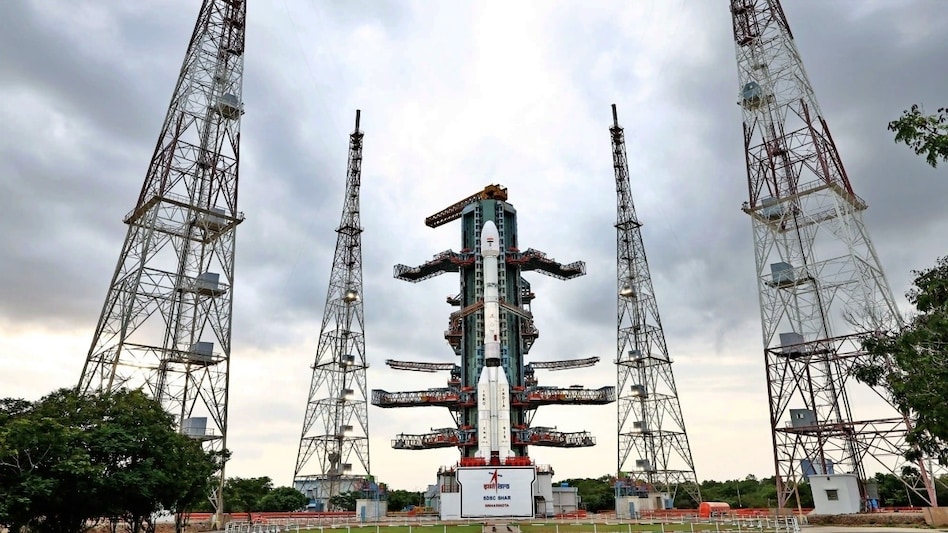
 NISAR Mission to launch soon
India and the United States are set to script a new chapter in space cooperation with the launch of NISAR—NASA-ISRO Synthetic Aperture Radar, aboard the GSLV-F16 rocket from Sriharikota at 5:40 p.m. IST today, July 30, 2025.

 Setback for Subhash Chandra: NCLT puts media baron's repayment plan on hold, seeks CBI response in 4 weeks
 NSE IPO: Sunil Munjal, RK Damani, Raamdeo Agrawal, Dolly Khanna, Kris Gopalakrishnan turn big winners; here's how
 Tata power play: Chandrasekaran family's TVS ties emerge days after Venu Srinivasan backs his third term
 Oracle layoff: Workers over 40 bear the brunt of job cuts in cloud division
  BT Big Story: Why India Inc is warming up to non-English-speaking executives
  S&P Upgrades India’s FY27 Growth Forecast By 40 Bps To 7%; Expects RBI Rate Hike To 5.50%
 Supreme Court On Medicine Prices: ₹27,000 MRP For ₹2,700 Drug | ‘Extortion’, ‘Daylight Dacoity’
 Macro Volatility Vs Earnings: Why Earnings Matter More Than Valuations | Anshul Saigal
 India’s CDMO Opportunity: Anshul Saigal Spots Underappreciated Names
 IT Stocks Under Pressure: What Next For Indian Markets? | Chakri Lokapriya
 HDFC Bank shares climb nearly 9% from 52-week low; Macquarie retains 'Outperform' tag
 Swastika Infra IPO booked 30% in 2 hours on Day 1: Check brokerage views, latest GMP and key detailsNSE IPO: Sunil Munjal, RK Damani, Raamdeo Agrawal, Dolly Khanna, Kris Gopalakrishnan turn big winners; here's how
 Adani Ports shares: CLSA retains 'Outperform'; highlights logistics, marine growth
 IDFC First Bank shares rise 5% as MOFSL upgrades rating; check target priceOracle layoff: Workers over 40 bear the brunt of job cuts in cloud division HDFC Bank shares climb nearly 9% from 52-week low; Macquarie retains 'Outperform' tag
 Asian Games 2026: Mirabai Chanu bags silver medal in weightlifting, ends India’s 28-year drought
 Why Protean eGov Technologies is looking at an aggressive overseas expansion
 'All decisions taken unanimously': Election Commission denies dissent report on SIR












