Chaos rules the four-kilometre drive from the Civil Lines area in Allahabad to the heart of the
Kumbh Mela. The road is dotted with three-wheelers and tempos, packed to tipping point. From pots, pans and kerosene stoves to tables and chairs the faithful pack all the utilities they will need to survive their stay at the Kumbh.
The roads leading to the main Mela grounds are lined with makeshift hutments, set up by families who cannot afford the Mela tents offered at very substantial rates by the UP government. But these aren't the only options - private guesthouses charge Rs 11,000 per night.
Spread over 5,911.89 acres, the
Maha Kumbh Mela is more than just a quest for spirituality. It is a temporary city that creates a space for markets, religious music, meditation and games.
The population inhabiting the sandy flood banks of the two great rivers, Ganga and Yamuna, till mid-March is a heterogeneous mix of cultures, races, nationalities and drugs.
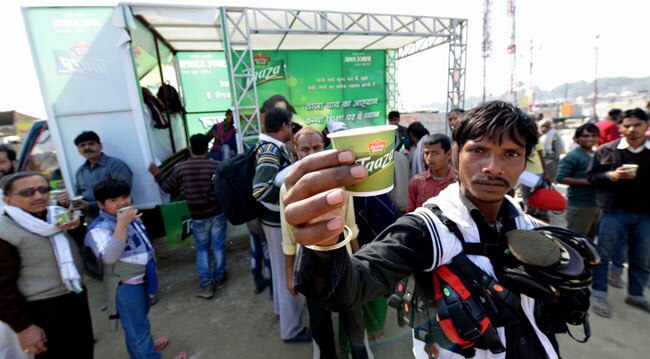
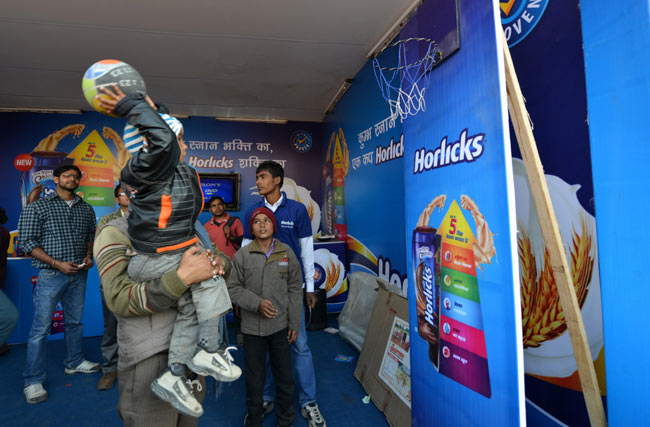
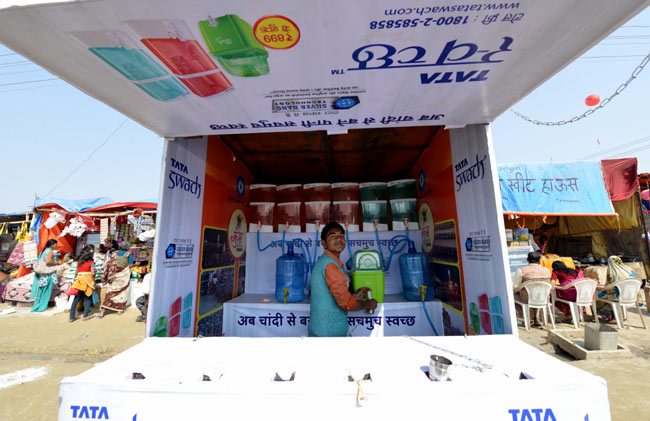
The 13 sadhu akhadas, or camps, housing three main sects of saints, co-exists with FMCG (fast moving consumer goods) brands selling special Mela services and products. Apart from small kirana stores lining the edges of the road there are company outlets and promotional vans selling everything from tea to bank loans. "You give people free biscuits with tea and they will flock to buy what you have to offer," says a salesman.
Coca-Cola has 16 stalls across the Mela ground, which according to sales in-charge Virendra Kumar Singh, can register close to Rs 18,000 worth of sales in a day - per stall. Horlicks, according to Manish Srivastav, a sales team member, records sales worth Rs10,000-15,000 on good days.
On Republic Day, patriotic sentiments were high in one corner of the ground as sadhus from the Juna akhada, the oldest of all the saint sects, shouted "Jai Bharat" slogans and waved the flag of India at passing shutterbugs and people curious enough to stop and watch. As the initial excitement of the flag waving came to a rest, the eldest of the group, covered in ash dust, unexpectedly began a heavy monologue on Hindu-Muslim brotherhood.
For Sharad Gandhi, a senior special assistant at State Bank of India's main branch in Allahabad, who will complete his service in October, the Mela holds post-retirement possibilities. "I want to see what I can do next," he says. Gandhi has been travelling the country in search of the perfect guru to guide him on his road to enlightenment. And the Kumbh Mela has no dearth of them. From sadhus who have vowed to spend 12 years of their lives standing, with occasional sleep breaks on a handy swing, to gurus who have sworn to forever keep one hand suspended in mid-air, Gandhi has plenty to choose from.
The God economy sustains itself through donations in cash and kind. Most of the well-furnished akhadas have soft mattresses to cushion the rich, kow-towing devotees, some of whom arrive in SUVs. It's also not uncommon to see saints holding forth over cell-phones.


 Spread over 5,911.89 acres, the Maha Kumbh Mela is more than just a quest for spirituality. (Photo: Shekhar Ghosh)
 El Niño's weather paradox: How one climate event causes floods and droughts
 EPFO ₹25,000 ceiling: How much PF will be deducted from your salary from October 2026?
 SIR notice received? ECI changes hearing rules; BLO may now visit your home
 Insurance commissions vs premiums: Why distributor payouts are rising much faster
 Special FD vs regular FD: The extra interest may not be worth the lock-in
 R Veeramani Case: Granite Tycoon Faces Widening POCSO Probe In Chennai
 Gen Z And Money: Why Young Investors Want Quick Returns Over Long-Term Wealth Creation
 How Is Alexa+ Different? Will It have Ads Even If You Pay? Exclusive Chat
 Demand Robust Across Segments | Production To Ramp Up, Exports To Expand: Vivek Srivatsa
 GST Council To Meet On October 7: Invoice Matching, ITC & UPI MDR Tax In Focus
 IPO rush: Four IPOs conclude today; check subscription status, other details of issues still open
 Meesho shares slip 7% as Nomura assigns 'reduce' call; here's what the brokerage says
  Sensex, Nifty extend losing streak to seventh week, longest since 2020: What's next?
 Suzlon in bear grip: Oversold signals emerge near 52-week low for the stock
  EIL shares jump 7% to hit record high; stock up nearly 62% in six months: What's driving the rise?
 Global debt hits $365 trillion: Why inflation masks the world’s rising debt burden
 LPG, CNG, PNG prices today (September 27): Check latest rates in Delhi, Mumbai, Kolkata, other cities
 Petrol, diesel prices today (September 27): Check latest rates in Delhi, Mumbai, Chennai, Kolkata & more
 Quote of the Day by Narayana Murthy : 'Leadership is about doing the right thing, even if it going against a vast number of naysayers and mediocre people'