


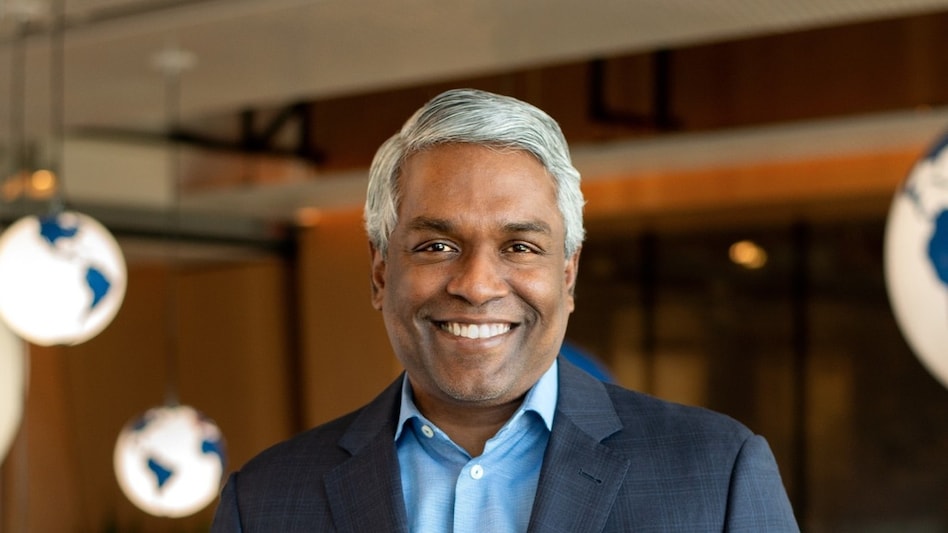
 His message lands amid an intensifying global debate over the future of work.
At a time when fears of artificial intelligence (AI) replacing human workers dominate headlines, Google Cloud CEO Thomas Kurian is offering a refreshingly balanced counterpoint: AI isn’t coming for your job — it’s coming to make it better.
In a recent interview with Big Technology, Kurian dismissed the doomsday narrative that AI will automate away millions of roles, describing the technology instead as a bridge between what people can do today and what they aspire to do tomorrow.

 Strait of Hormuz could become ‘redundant’ in the next five years: HSBC Group CEO
 Sona BLW, Solar Industries, Oracle, Aurobindo Pharma, CG Power: Midcap performers of 2026, price targets and more
  Tonbo vs Bonfiglioli vs Zetwerk vs Sahajanand IPO: Which issue offers best allotment odds; fresh GMP
  'There won't be money anymore': Yuval Noah Harari backs Elon Musk's prediction, warns of AI takeover
 India sees strongest business jet fleet growth in Asia-Pacific, Honeywell report
 Starlink Vs India: Is Elon Musk Being Blocked? | Tech Today
 RBI Measures Boost Rupee | Is Further Depreciation Unlikely?
 More RBI Rate Hikes Ahead? PPFAS Mutual Fund CIO Shares His Outlook
 Retirement Planning: How a ₹10,000 Monthly SIP Can Grow to ₹1 Crore in 20 Years
 Volkswagen On CNG Cars, JSW Partnership And India's Auto Market Outlook
 Sona BLW, Solar Industries, Oracle, Aurobindo Pharma, CG Power: Midcap performers of 2026, price targets and more
  Jio Platforms IPO: From 14th spot to telecom leader, how Jio transformed India’s digital landscapeTonbo vs Bonfiglioli vs Zetwerk vs Sahajanand IPO: Which issue offers best allotment odds; fresh GMP
  ‘It’s crazy that even in 2026…’: Nithin Kamath in disbelief over WhatsApp-driven stock manipulation
 Jio IPO: Overseas expansion to unlock new revenue streams through telecom technology
 US EB-5 visa investment threshold to rise in 2027: How it will affect Indians
 Marco Rubio reveals what Russia wants to end the Ukraine war: All of Donetsk
 WATCH: Zohran Mamdani joins Navratri celebrations in New York, seeks priest's blessingsStrait of Hormuz could become ‘redundant’ in the next five years: HSBC Group CEO
 Miso, vanilla or tabasco? How weight-loss drugs are changing fragrance preferences












