


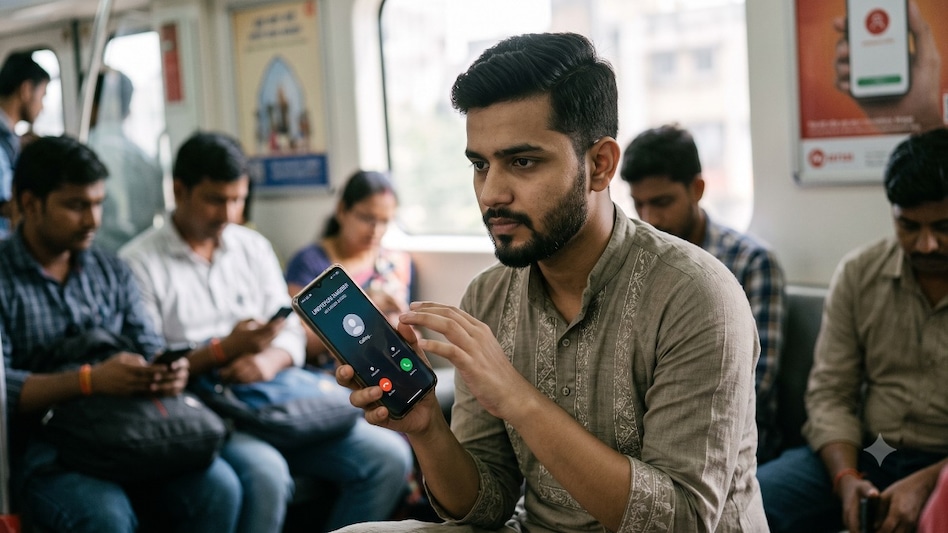
 Nearly eight out of ten Indians avoid answering business calls from unknown numbers
Nearly eight out of ten Indians avoid answering business calls from unknown numbers, even though voice remains their preferred mode of communication with companies, according to The State of Business Calling 2026 report released by Truecaller in partnership with Tata Tele Business Services (TTBS).
 Festive season sales: ACs, TVs, appliances to get costlier by up to 8% from October 1
 Mehli Mistry steps down from Tata Medical Centre Trust board, marks 6th exit from group entities
 Global debt hits $365 trillion: Why inflation masks the world’s rising debt burden
 UNSC reform: Russia backs India's seat bid, demands end to Western dominance
 'Going to look very different in 365 days': US Labor Dept watchdog warns amid H-1B crackdown
 R Veeramani Case: Granite Tycoon Faces Widening POCSO Probe In Chennai
 Gen Z And Money: Why Young Investors Want Quick Returns Over Long-Term Wealth Creation
 How Is Alexa+ Different? Will It have Ads Even If You Pay? Exclusive Chat
 Demand Robust Across Segments | Production To Ramp Up, Exports To Expand: Vivek Srivatsa
 GST Council To Meet On October 7: Invoice Matching, ITC & UPI MDR Tax In Focus
 IPO rush: Four IPOs conclude today; check subscription status, other details of issues still open
 Meesho shares slip 7% as Nomura assigns 'reduce' call; here's what the brokerage says
  Sensex, Nifty extend losing streak to seventh week, longest since 2020: What's next?
 Suzlon in bear grip: Oversold signals emerge near 52-week low for the stock
  EIL shares jump 7% to hit record high; stock up nearly 62% in six months: What's driving the rise?
 ‘Thaimaaman Thanga Mothiram’: CM Vijay launches gold ring scheme for babies. Check eligibility
 ‘Why vip darshan at lalbaugcha raja’: Harsh Goenka questions inequality
 30-day recharge plan: Raghav Chadha shares 'good news' for prepaid mobile users in India
 National dignity first: Former US ambassador says India must call US bluff over Russia sanctions pressure
 Want to earn while gaming? Here are 7 free mobile games to explore












