


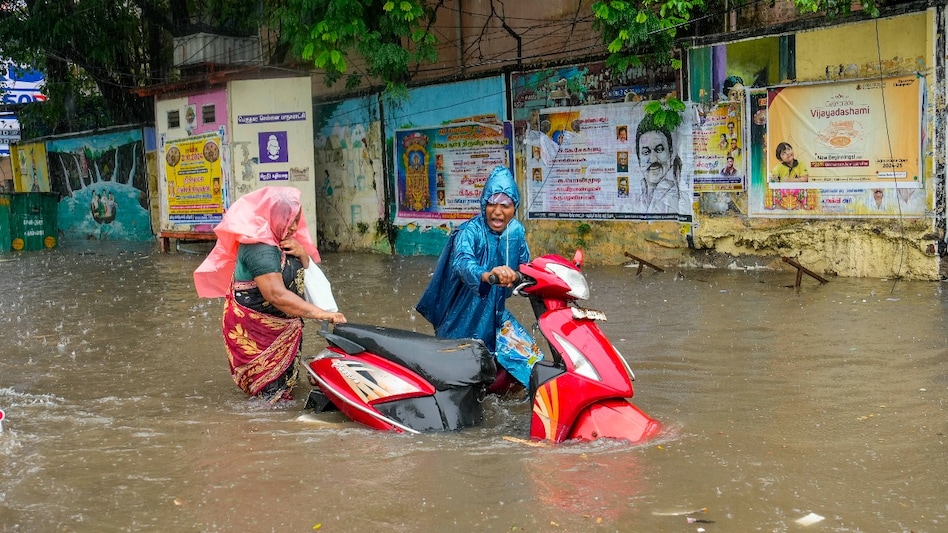
 Flood forecasting to become better
Google has significantly expanded its AI-based flood forecasting system, now covering a global population of 700 million across 100 countries. This initiative aims to provide riverine flood warnings in more regions worldwide, enhancing preparedness and safety in vulnerable areas. To support research and collaborations, Google has also introduced a new API, granting partners access to real-time flood data and forecasting models.
In a recent blog post, Google detailed its efforts to expand the reach and accuracy of its flood forecasting system. Previously limited to 80 countries with coverage for around 400 million people, the enhanced system now spans 100 countries, benefiting an additional 300 million people. The tech giant attributes this expansion to advancements in AI, which allow it to process more labelled data and refine forecasting models.

 SDTT had submitted response to charity commissioner over Venu Srinivasan, Vijay Singh’s complaints: Report
 HFCL shares: Why this multibagger stock gets 53% upside target despite 290% jump in 2026
 Jio IPO: Overseas expansion to unlock new revenue streams through telecom technology
 YES Bank shares down 27% in 30 days; target prices; one key trigger to watch
 US crude oil stocks in strategic reserve fall to their lowest level since 1982
 Starlink Vs India: Is Elon Musk Being Blocked? | Tech Today
 RBI Measures Boost Rupee | Is Further Depreciation Unlikely?
 More RBI Rate Hikes Ahead? PPFAS Mutual Fund CIO Shares His Outlook
 Retirement Planning: How a ₹10,000 Monthly SIP Can Grow to ₹1 Crore in 20 Years
 Volkswagen On CNG Cars, JSW Partnership And India's Auto Market Outlook
 Jio IPO: Overseas expansion to unlock new revenue streams through telecom technologyHFCL shares: Why this multibagger stock gets 53% upside target despite 290% jump in 2026
 Defence stocks to buy: Aditya Birla Money picks HAL, BEL as top picks; check fresh targetsYES Bank shares down 27% in 30 days; target prices; one key trigger to watch
 Jio Platforms raises Rs 8,110 crore from over 200 anchor investors; draws Rs 2.5 lakh cr demand
 Dussehra 2026: The story behind Ravana worship in Greater Noida’s Bisrakh village
 The most underrated AI investment: Building the humans in the loopUS crude oil stocks in strategic reserve fall to their lowest level since 1982
 This firm cut its workforce from 1000 to 120 in three years. The CEO reveals who is better placed to survive AI onslaught
  Trump satellite cuts could set US weather forecasting back nearly a decade, says report












