
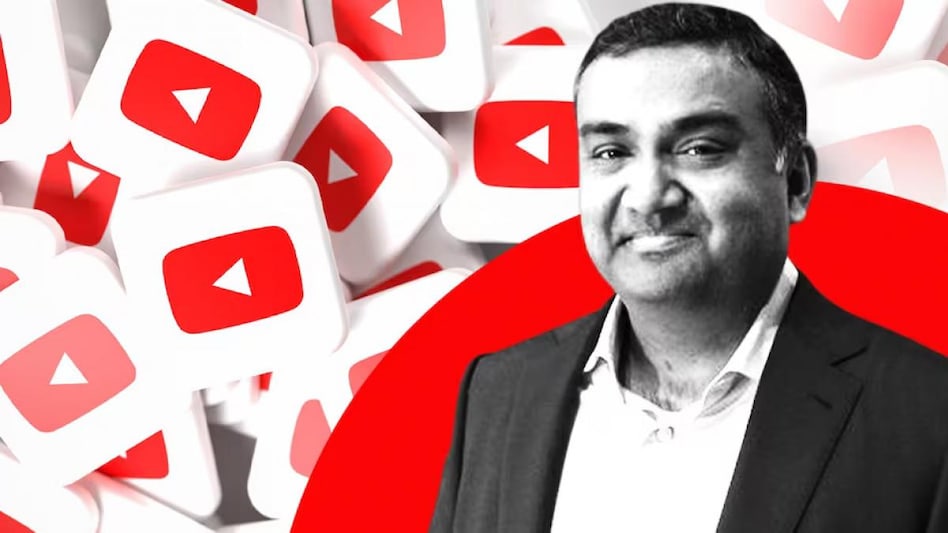
 Neal Mohan
Google’s video-sharing platform, YouTube, is set to introduce new generative AI features that will enable content creators to generate fantastical film settings and virtually swap outfits in their videos. This move comes as Google aims to catch up with competitors such as OpenAI and Microsoft, who have already launched their own AI products for consumers.
Neal Mohan, YouTube’s CEO, wrote in his first communication to the YouTube community since taking up his role last month that “the power of AI is just beginning to emerge in ways that will reinvent video and make the seemingly impossible possible.” He added that YouTube creators will be able to benefit from the generative capabilities of AI in the coming months.

 Why banks are seeing strong growth in corporate credit despite geopolitical uncertainties
 Sugar season 2026-27 begins on schedule, 107 mills start crushing; ISMA expects stable prices
 Delhi Pollution Curbs From November 1: Outside-Delhi Vehicles Below BS-VI Barred
 CBDT nudges taxpayers with undeclared properties in UAE to disclose assets under new scheme
 Five key changes in Annual Survey of Unincorporated Enterprises from FY28. What are they?
 Silver Prices Crash Over 50% From Peak | Is This The Right Time To Buy Before Wedding Season?
 ‘Yeh Dil Maange More’: Piyush Goyal On India’s Maritime Vision, Sagarmala And Seafarer Training
 Market Masters: Manish Sonthalia’s Wealth Creation Masterclass For Diwali 2026
 DCB Bank Q2 Results | CEO Praveen Kutty On Record Profit, Growth And Asset Quality
 Piyush Goyal’s $85 Trillion Trade Vision: 9 FTAs, 38 Nations and More Deals In The Pipeline

 Kotak Mahindra Bank, JSW Steel, Jindal Steel, Shree Cement, Nuvoco, AU SFB: Brokerage outlook, share price targets
 Who is Avadhut Sathe? The trader behind the academy at the centre of Sebi’s ₹546 crore order
 Sensex, Nifty snap four-session losing run; tentative relief or more recovery ahead?
 Tata Motors shares: Why this Tata stock fell today; worth buying now?
 Tata Communications' AI Super Highway: How the move may pan out, analyst decodes
 Apple unveils iPad mini with OLED display, A20 Pro chip and IP67 rating: All details
 'I've switched to BHIM now': Anand Mahindra reveals what changed his mind about the UPI appDelhi Pollution Curbs From November 1: Outside-Delhi Vehicles Below BS-VI BarredSugar season 2026-27 begins on schedule, 107 mills start crushing; ISMA expects stable prices
 Flex fuel push: Govt clears path for cars running on 100% ethanol-blended petrol