












 10 million Facebook accounts removed
In one of its biggest crackdowns to date, Meta has removed more than 10 million Facebook accounts, and it’s all part of a sweeping effort to clean up your feed.
The company revealed that these accounts were impersonating popular content creators and flooding the platform with unoriginal, spammy content, often recycled or copied from others. And that’s not all; Meta also penalised 500,000 more accounts for what it calls “inauthentic behaviour,” a broad term that includes fake engagement, repetitive posts, and attempts to game the system for views or money.
What's going on with Facebook and Meta?
Meta, like YouTube, is ramping up its war against low-effort content, much of it powered by AI. Think voiceovers slapped on random clips, stolen memes, watermarked videos stitched together from elsewhere, and other recycled formats that offer little to no original value. These types of posts, often created en masse, have become a serious problem across social media, cluttering timelines and crowding out genuine creators.
In response, Meta is now using advanced detection tools to find and demote duplicate videos, ensuring that original creators get the credit and reach they deserve. Accounts that repeatedly steal content won’t just lose visibility, they’ll also be blocked from earning money through Facebook’s monetisation programmes, at least temporarily.
No More AI Slop on Your Feeds?
Meta is also issuing a warning shot to creators relying too heavily on AI tools. Without naming it directly, the company called out content stitched together with little effort, poor-quality auto-captions, and the habit of simply watermarking someone else’s work. In other words: AI slop is on notice.
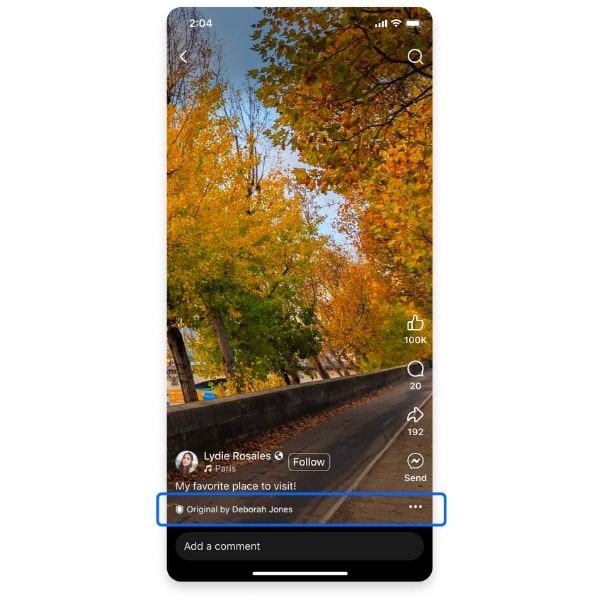
The company says it’s testing a feature that will link viewers from reposted videos back to the original, giving rightful credit to the source. And for creators worried about getting caught in the crossfire, Meta is rolling out post-level insights and monetisation warnings inside Facebook’s Professional Dashboard, so they can track what’s affecting their reach.
This massive clean-up comes at a time when YouTube has also updated its policies to limit revenue from mass-produced or repetitive content, while still encouraging creative use of AI, as long as the final result offers real value.
For now, Meta says the new rules will roll out gradually, giving creators time to adapt. But the message is loud and clear: if you're not posting something original, your reach and revenue could disappear just like those 10 million accounts.
For Unparalleled coverage of India's Businesses and Economy – Subscribe to Business Today Magazine

 Behind the reduction in workforce in India’s top three private sector banks
  'Eye for an eye': Houthis declare naval blockade against Saudi Arabia
 No proposal to abolish LTCG on listed equities: Govt in Lok Sabha
 Blame it on the IndiGo fiasco? Air ticket refund complaints up 233% in 2025
 'No commitments made so far': CJP delegation meets JP Nadda, seeks Dharmendra Pradhan's removal
  Why Invesco Focused Fund Stands Out In The Focused Mutual Fund Category | Expert Explains
 Bandhan Large & Mid Cap Fund: Why Experts See It As A Top Mutual Fund Pick
 Tatva Up 20%; HDFC, Axis Bank Drop on Weak Q1
 Why Parliament Could Not Function on Day 1 of the Monsoon Session | Full Report
 Is Facial Recognition Actually Secure? | 1X Neo Robot & Ultraviolette X-47 Review | Tech Today
 Nifty, Sensex, Nifty Bank outlook for today: GIFT Nifty down 114 pts; key levels to watch
 Adani Green, Vodafone Idea, PNB: Stocks to trade — Key levels, target, stop loss & more
 SBI Funds IPO: Check the latest GMP before listing; should you expect a solid listing pop?
 Top stocks in news: SBI Funds, Paytm, IndiGo, Ather Energy, Sobha, Emcure, Canara HSBC Life
 JSW Steel Q1 earnings: Here's how the stellar show may impact the metal sector