


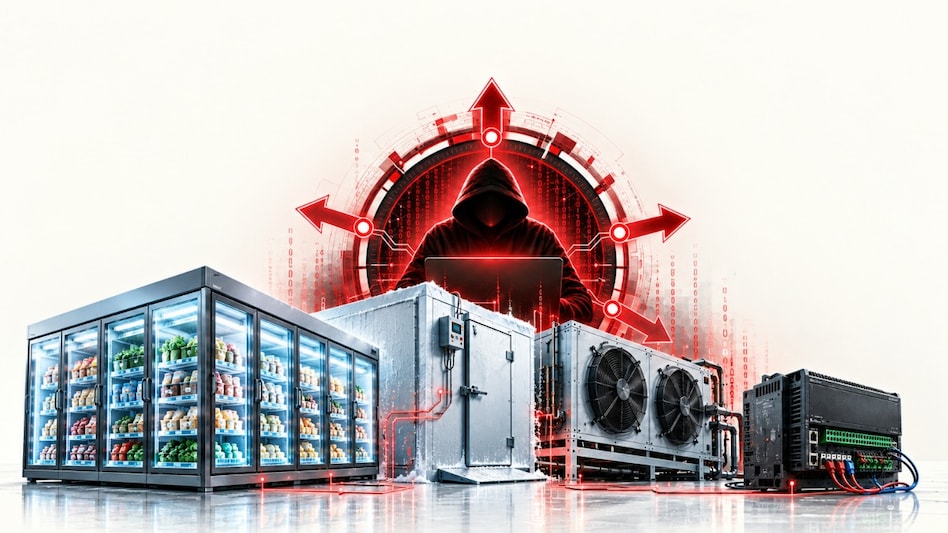
 Cyberattacks on supermarket refrigeration systems have raised concerns about connected cooling equipment.
A cyberattack does not always have to steal personal data or lock a company out of its computers to cause disruption. In Europe, supermarket refrigeration systems have become the focus of a series of incidents in which attackers accessed cooling controls and raised temperatures, leaving retailers with food they could no longer sell.
The impact went beyond the digital world, as rising temperatures spoiled food and caused losses for retailers. Similar freezer failures at US military grocery stores are also being investigated as a possible cyberattack. Together, these incidents raise an important question about whether India's connected refrigeration systems could also be vulnerable to cyberattacks.

 BT Exclusive: Indian IT sector needs to rediscover its growth model, says Raamdeo Agrawal
 iPhone Duo is selling faster than Apple can make it, and there’s no end in sight: CEO John Ternus admits
 RIL shares see rare consensus as all 33 recommendations turn 'Buy'
 BT BIG STORY: Car sales hit a high during the festive season. Will rising prices slam the brakes?
 India-flagged cargo vessel attacked near Oman; one Indian sailor killed
 Why WhiteOak Capital Is Shifting From Small Caps To Large Caps Amid Changing Market Valuations
 Large Caps Set To Outperform As Market Rotation Begins, Expert Flags Global Risks For Indian Markets
 Sun Pharma Q2 Sales Rise 11.8% To ₹16,100 Crore; India Grows 17.3%, US Sales Decline 8.2%
 EXCLUSIVE | Market Masters | Diwali Special: Motilal Oswal's Raamdeo Agrawal On Samvat 2083 Outlook
 Daily Calls: Ask Your STOCK MARKET TODAY QUERIES | Market Update | Share Market News Today

 Diwali picks: Adani Power, ICICI Bank, M&M CG Power among top stocks to buy; check details
 SBI, ICICI, HDFC Bank, IIB, KMB shares: Valuation premium over global peers narrowed; targets
 Bosch shares hit record high on bonus issue, stock split plan BT Exclusive: Indian IT sector needs to rediscover its growth model, says Raamdeo AgrawalRIL shares see rare consensus as all 33 recommendations turn 'Buy'Diwali picks: Adani Power, ICICI Bank, M&M CG Power among top stocks to buy; check detailsSBI, ICICI, HDFC Bank, IIB, KMB shares: Valuation premium over global peers narrowed; targetsBosch shares hit record high on bonus issue, stock split plan BT Exclusive: Indian IT sector needs to rediscover its growth model, says Raamdeo Agrawal
 After streaming wars, Disney plans layoffs: Thousands of jobs may go in cost-cutting drive












