


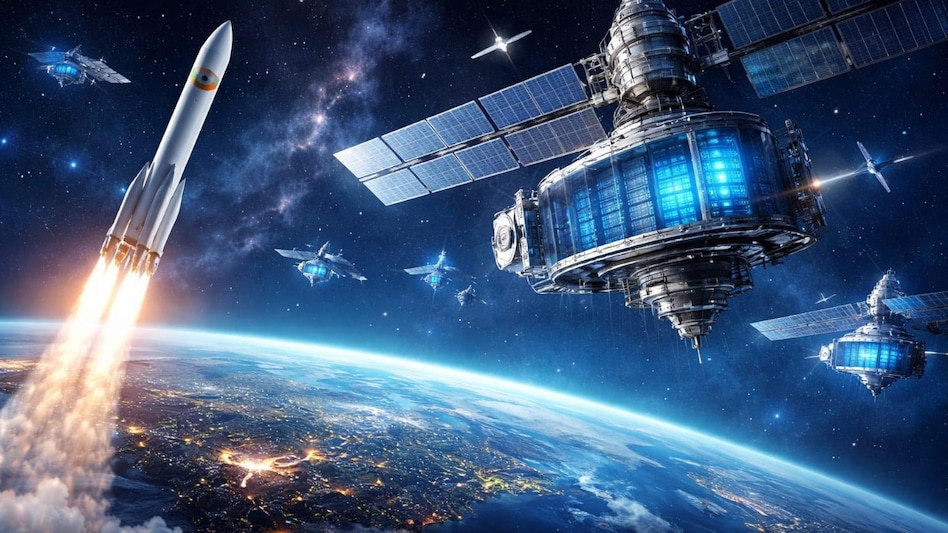
 The company is developing rockets designed for rapid turnaround and lower per-mission costs, which could enable the large fleets of satellites required for persistent orbital compute.
India’s push for sovereign artificial intelligence infrastructure may soon extend beyond terrestrial data centres to space, with Chennai-based startup AgniKul Cosmos positioning itself as a domestic launch backbone for orbital compute.
“Sovereignty in the AI age is not just about data localisation on the ground,” Moin SPM, co-founder and chief operating officer of AgniKul Cosmos, told Business Today in an interview. “It extends to who controls access to the infrastructure in orbit.”

 Setback for Subhash Chandra: NCLT puts media baron's repayment plan on hold, seeks CBI response in 4 weeks
 Tata power play: Chandrasekaran family's TVS ties emerge days after Venu Srinivasan backs his third term
 BT Big Story: Why India Inc is warming up to non-English-speaking executives
  Govt may consider auto PLI applications from firms with Chinese investments: Report
 G20 Summit: PM Modi expected to travel to US; bilateral with Trump likely on the cards, say sources
 S&P Upgrades India’s FY27 Growth Forecast By 40 Bps To 7%; Expects RBI Rate Hike To 5.50%
 Supreme Court On Medicine Prices: ₹27,000 MRP For ₹2,700 Drug | ‘Extortion’, ‘Daylight Dacoity’
 Macro Volatility Vs Earnings: Why Earnings Matter More Than Valuations | Anshul Saigal
 India’s CDMO Opportunity: Anshul Saigal Spots Underappreciated Names
 IT Stocks Under Pressure: What Next For Indian Markets? | Chakri Lokapriya
 Dixon Technologies stock slips 29% from 52-week high; tracking price targets, recovery prospects
  Oswal Pumps shares jump 8% bags Rs 297 crore solar project in Telangana
  ArMee Infotech IPO opens today: Should you subscribe? Check price band, reviews, latest GMP & more
 PC Jeweller shares jump 9% to hit 52-week high; stock gains 83% in six months
 Ola Electric shares jump over 12% today; what analysts say
 'Looking forward to hosting him': Mark Carney confirms PM Modi's Canada visit in December, CEPA likely to be signed
 E20 debate: '100% ethanol car to be launched soon in India,' says Nitin Gadkari
 ‘Broad daylight dacoity with the patients’: Supreme Court questions ₹27,000 MRP on ₹2,700 cancer drug
 Heartwarming Rescue: Fishermen Save Baby Elephant, Forest Officials Reunite It With Mom
 NIMS Officer DA Case: ACB Finds Luxury Cars Flats Gold And Crore Rupee Investments












