


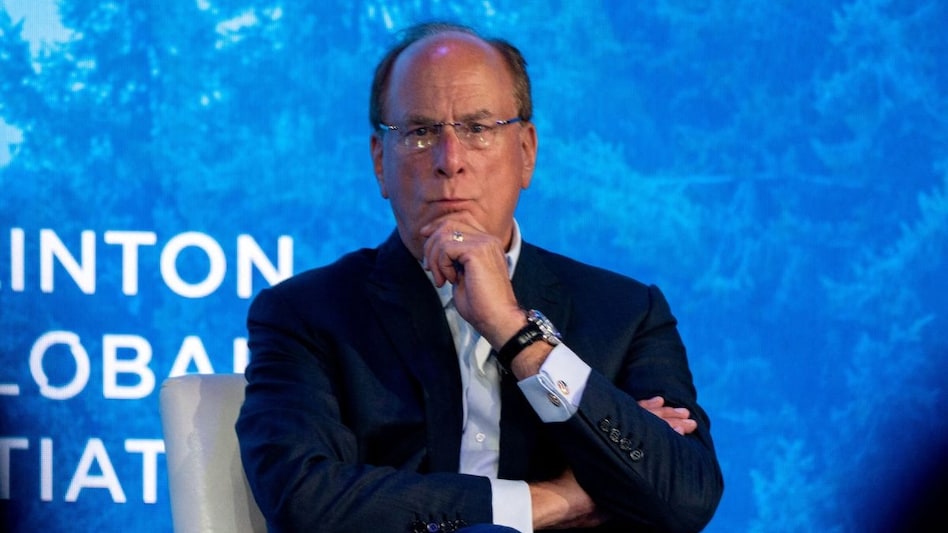
 BlackRock CEO Larry Fink
Will AI create jobs or destroy them? Even the world’s largest asset manager doesn’t have a clear answer.
The impact of artificial intelligence (AI) on jobs, particularly entry-level white-collar roles, remains unclear, with no consensus on how the labour market will evolve, according to BlackRock CEO Larry Fink.

 ‘An Indian consumes 1/10th of an average American’: Amb Kwatra says energy security comes first
 Tata stock to buy: Nuvama bets on unique tech-telecom play, sees 28% upside
  IndiGo shares in focus as baggage, infant fee, priority boarding charges likely raised
 El Nino impact? India headed for driest monsoon since 2009, food inflation fears rise: Report
 LPG, CNG, PNG prices today (September 18): Check latest rates in Delhi, Mumbai, Kolkata, other cities
 Corporate Health Insurance Vs Retail Policy: Why You Need Personal Health Cover Too
 How India Changed In 12 Years: PM Modi’s Journey From Economic Reforms To Viksit Bharat
 Modi @76: From Twitter To Instagram, How His Digital Outreach Has Evolved
 Stock Picks To Watch: Shibani Kurian Reveals Kotak AMC’s Market Bets
 Gold ETF vs Physical Gold: Know the Tax Rules, Charges and Key Differences
 OnEMI Technology shares in focus as board clears fund raising via preferential route
  Adani Power, Adani Green, Adani Ports, Adani Energy: Jefferies shares target prices
 Kotak Bank, Auro Pharma, GE Vernova T&D: Top stocks to trade — Key levels, target price & stop loss
 NSE IPO attracts nearly 12 lakh applications on Day 1 of bidding; key details
 Adani Green Energy: Jefferies expects 69% upside amid short-term correctionOnEMI Technology shares in focus as board clears fund raising via preferential route Adani Power, Adani Green, Adani Ports, Adani Energy: Jefferies shares target pricesKotak Bank, Auro Pharma, GE Vernova T&D: Top stocks to trade — Key levels, target price & stop lossNSE IPO attracts nearly 12 lakh applications on Day 1 of bidding; key detailsAdani Green Energy: Jefferies expects 69% upside amid short-term correction












