


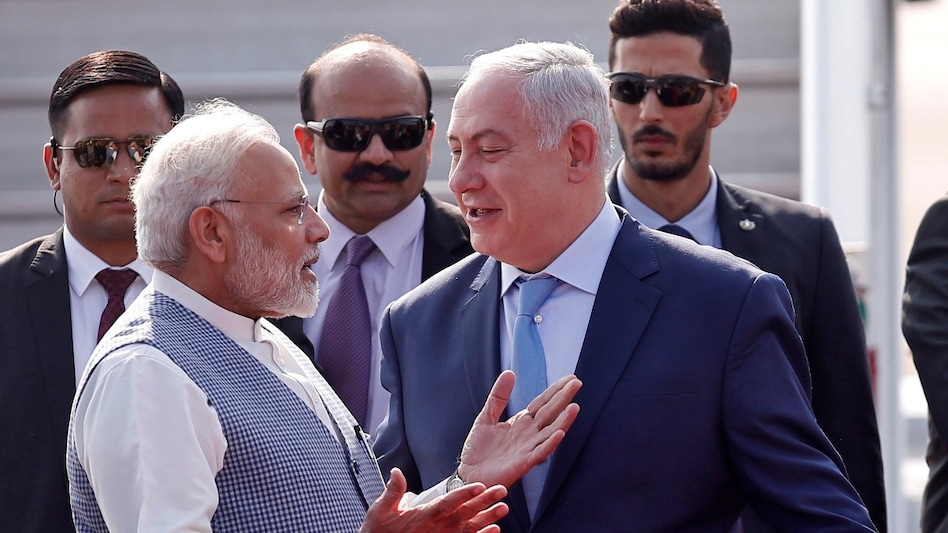
 With tensions rising, Netanyahu names India in proposed ‘hexagon’ alliance plan
As Prime Minister Narendra Modi prepares to land in Israel for a two-day State visit, Israeli Prime Minister Benjamin Netanyahu has set out an expansive geopolitical proposal, a six-nation framework he calls a “hexagon of alliances.”
The idea, disclosed ahead of Modi’s February 25–26 visit, positions India as a central pillar alongside Israel, Greece and Cyprus. According to a statement issued by the Israeli foreign office on February 22, the structure could also bring in select Arab, African and Asian countries.

 ₹8,862 crore in tolls! This state emerged as India's biggest highway toll revenue generator
 Could India witness a Korea-style market meltdown? Nithin Kamath explains the biggest risk
 How Indian investment overseas is gathering momentum
 Semicon 2.0, space, hydrogen trains: How manufacturing push is gaining pace, shows July's economic review
 To stay ahead, Indian manufacturers are embracing AI
 "RSS Controls Education, Dharmendra Pradhan Is Just A Symbol!": Rahul Gandhi’s Scathing Attack
 KOSPI Crash Explained | ₹152 Lakh Crore Gone, AI Stocks Under Massive Pressure
 PSU Stocks Outlook: Can Defence, Power & Industrial PSUs Deliver Strong Returns Ahead?
 "Normal Law & Order": JP Nadda Hits Back At Kharge Over Police Action On Student Protesters!
 Parliament's Most Viral Debate Yet? How Gen Z Language Entered Lok Sabha
 Could India witness a Korea-style market meltdown? Nithin Kamath explains the biggest risk
 Dabur India Q1 results: Profit up 15% at Rs 591 crore YoY; revenue climbs 11%
 FIIs could return to market in six months, says Ajay Bagga
  Sensex, Nifty climb over 1% each; investors add Rs 4 lakh crore in wealth
 Banks, IT, defence, power stocks likely to lead FY27 earnings upgrades, says Ajay Bagga"RSS Controls Education, Dharmendra Pradhan Is Just A Symbol!": Rahul Gandhi’s Scathing Attack
 Samsung Galaxy Z Fold 8 Ultra Unboxing
 'Amit Shah Ordered Firing?' Rahul Gandhi's Charge Sparks Fierce Showdown in Lok Sabha
 'Delulu', 'FOMO', 'Kuchu Puchu': Gen Z Slang Dominates Parliament Debate
 Bengaluru Restaurants Threaten Swiggy-Zomato Boycott Over Commissions & Charges










