


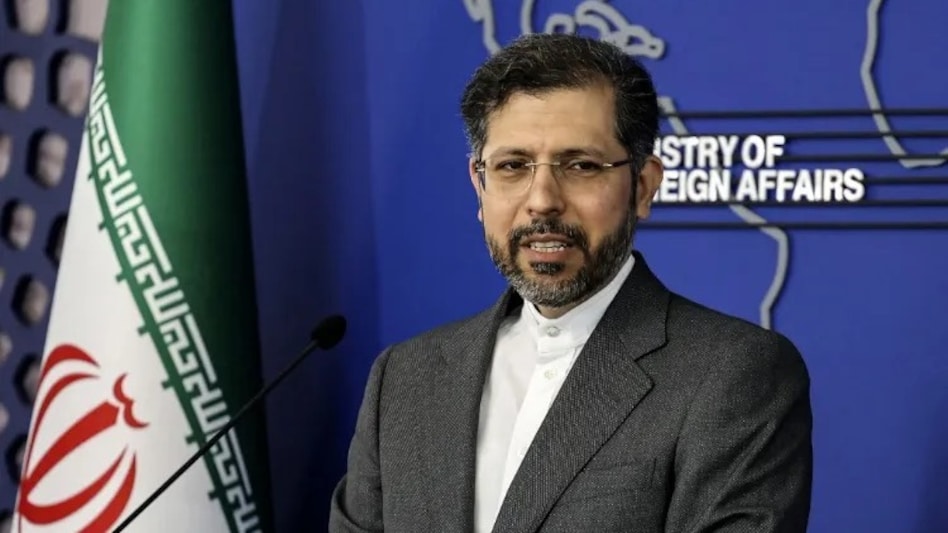
 Khatibzadeh took aim at US President Donald Trump, pointing to his frequent and sometimes contradictory social media statements.
 The fragile diplomatic process between Iran and the United States remains in limbo, with no date set for the next round of peace talks after the first high-level meeting in Islamabad ended without agreement. Iranian officials say progress hinges on establishing a clear framework before negotiations can resume.
Speaking on the sidelines of the Antalya Diplomacy Forum, Iran’s deputy foreign minister Saeed Khatibzadeh stressed that both sides must first align on the structure and scope of discussions. “Until we agree on the framework, we cannot set a date,” he said, underlining Tehran’s reluctance to engage in talks that could collapse and escalate tensions further.

 'No country should help Iran evade sanctions': Marco Rubio on Modi-Pezeshkian meet at SCO summit
 ‘Ill-educated, egregiously wrong…’: Neelkanth Mishra says ‘2.6% GDP growth’ claim is obviously incorrect
 Tata share transfer case: Inquiry closed, Charity Commissioner finds sale followed due process
 Ola share price in focus as board to consider fundraise on September 5
 Nifty, Sensex, Nifty Bank outlook for today: GIFT Nifty up nearly 90 points; key levels to watch
 U.S. May Tighten Child Passport Checks Under Trump, Indians And Birth Tourism Families Face Scrutiny
 Market Commentary | Deven Choksey On Buying Opportunities & Market Trends
 “India Is Certainly Not In Crisis”: Arvind Panagariya On Growth, Investment And Reforms
 Daily Calls: Ask Your STOCK MARKET TODAY QUERIES | Market Update | Share Market News Today
 What’s Hot: Stocks, Gold & Big Money Moves | Daily Markets Show | September 02 | Business Today
 Ola share price in focus as board to consider fundraise on September 5
 Meesho block deal today: SoftBank to sell 1.5% stake; check floor price, deal value
  Inox Wind shares in focus after Rs 755 crore repeat order from IOC; key details
 Buyback tax: How India changed the rules three times in 18 months and what investors need to know
 SBI, Coal India, HAL: Top PSU stocks to trade — Check key levels, target prices & stop loss
 GDP revisions are not manipulation, they reflect better data, says former CEAOla share price in focus as board to consider fundraise on September 5Tata share transfer case: Inquiry closed, Charity Commissioner finds sale followed due process
 'AAP govt controls officers' transfers, postings': Raghav Chadha after his name gets deleted in Punjab draft electoral rolls
 India’s mutual fund industry could double in four years: What is driving the AUM boom












