


 He also highlighted the company’s domestic footprint, pointing out that Microsoft hired more than 9,000 US-born workers over the past year.
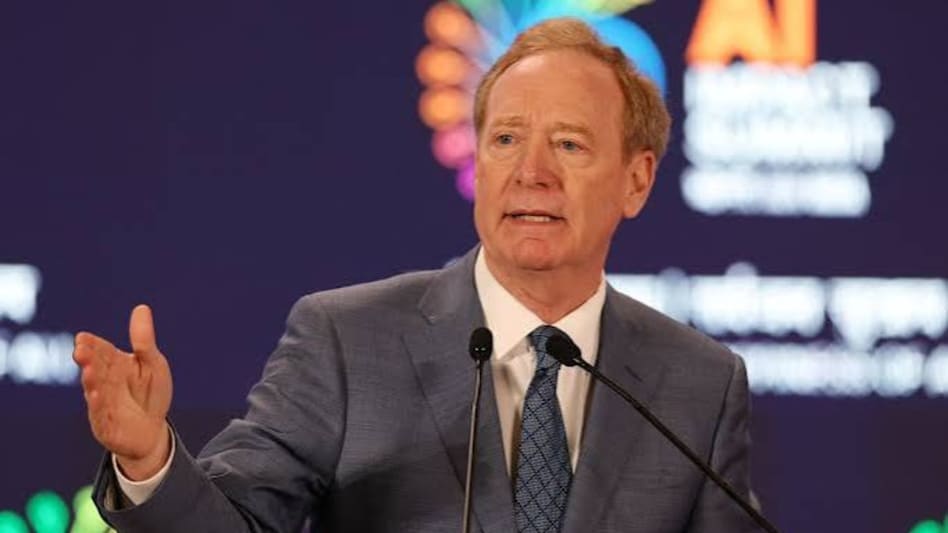
Microsoft President Brad Smith has issued a stark warning that the US administration’s crackdown on green cards for skilled foreign workers could severely undermine the American technology industry for more than a generation, setting the stage for a high-stakes clash over immigration and global engineering talent.
Smith rejected allegations of H-1B visa abuse, describing the administration's claims as "completely off base" and warning that such restrictive policies risk driving top artificial intelligence and software engineering talent toward competitor nations, according to a Politico report.

 BT BIG STORY: 'Ratan Tata never wanted to list Tata Sons'
 20-year-old bottleneck solved: What Google Quantum AI's latest scientific breakthrough means
 Young entrepreneurs expand into clean energy, SpaceTech and defence, Hurun U35 list shows
 'IB seeking updates, Delhi Police could detain me': Abhijeet Dipke's big claim ahead of Tiranga march
 LIC launches three new insurance plans for retirement income, health and cancer cover
 Jio Platforms IPO: ₹30,000 Crore Issue Opens October 21, Valuation At ₹10.3 Lakh Crore
 Weekend OTT Releases: The Diplomat 4, Aasha, Sacrifice And More
 How Jio Transformed India From Data Scarce to Data Abundant! | Akash Ambani | Jio Platforms IPO
 Akash Ambani Decodes Jio's Financial Muscle | Reveals The 5 Key Business Drivers | Jio Platforms IPO
 From Dhirubhai’s 1977 IPO to Jio's Mega Launch | Uday Kotak Calls Jio IPO a ‘Moment in History’
 RIL group to become India's largest conglomerate by m-cap after Jio IPO: Uday Kotak
 Gold eyes sharp recovery; can MCX prices hit Rs 1.5 lakh? Vandana Bharti explains
 Tech Mahindra Q2 results: PAT rises 33% YoY to Rs 1,586 crore; recommends 1:1 bonus issue
 Jio Platforms IPO: How HFCL promoter Mahendra Nahata's investment could rise over 110 times
 South Indian Bank shares hit 52-week high on Q2 earnings, close higher 'IB seeking updates, Delhi Police could detain me': Abhijeet Dipke's big claim ahead of Tiranga march
 Vinod Khosla seeks Chief of Staff for high-stakes role in Menlo Park. Check requirements
 Mahindra's first CNG SUV at ₹9.99 lakh: 200 Nm torque and a mileage surprise20-year-old bottleneck solved: What Google Quantum AI's latest scientific breakthrough means
 Rajinikanth's Jailer 2 hits theatres: Fans celebrate like it's Diwali, Pongal and Christmas












