


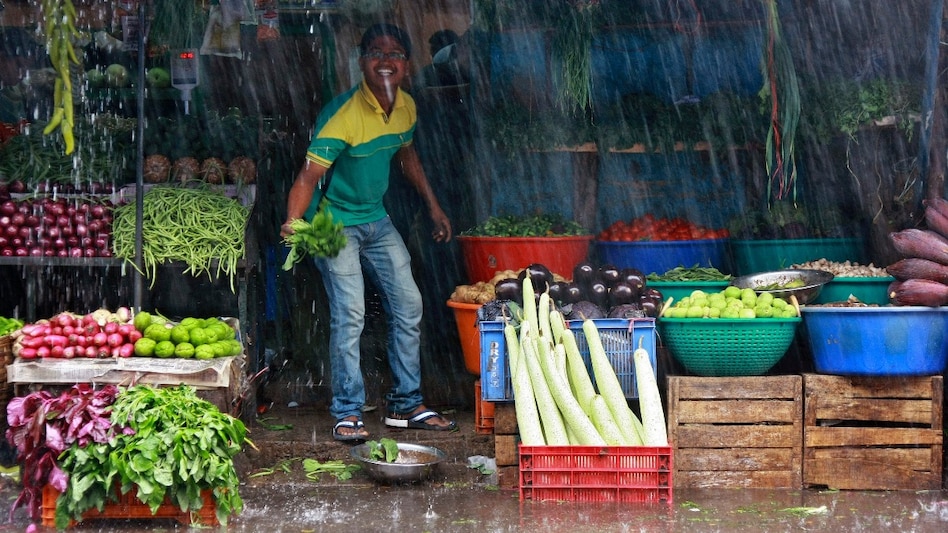
 Energy costs are driving food inflation, as higher oil prices raise transport and production costs while boosting biofuel demand, pushing up vegetable oil prices.
Global food prices rose in March to their highest level since September 2025, raising fresh concerns about the trajectory of grocery bills in the months ahead. According to the United Nations Food and Agriculture Organization (FAO), international food commodity prices have now increased for the second consecutive month, signalling renewed inflationary pressure across global food markets.
The FAO Food Price Index, a key benchmark tracking essential commodities, averaged 128.5 points in March, marking a 2.4% rise from February and a 1% increase year-on-year. While the uptick remains moderate, underlying factors — particularly rising energy prices linked to geopolitical tensions in West Asia—are beginning to influence production and supply dynamics.

 Paytm shares surge 7%, Pine Labs falls 8% | Impact of MDR on UPI transactions above Rs 2,000
 Paytm says new UPI MDR will generate additional revenue from merchant business
 ‘The additional revenue will help’: MobiKwik, PhonePe founders back MDR charge on UPI transactions over ₹2000
 India to face 100% tariffs? US House moves Russia Sanctions bill, final vote tomorrow
 ‘Inevitable but doesn’t make sense in some cases’: Zerodha’s Nithin Kamath on MDR on UPI transactions over ₹2000
 Crude Oil Above $125: Can Middle East Tensions Keep Prices High? Sharad Avasthi Explains
 Gold, Silver Price News: Why Precious Metals May Struggle At Current Levels
 ₹136 Billion FCNRB Deposits: Can RBI's Big Rupee Boost Trigger A Market Rally?
 Top Stock Picks For Long Term: Sharad Avasthi Bets On HDFC Bank, Reliance, IT & Real Estate
 Tata Motors, RIL, PVR INOX: Value Traps Or 40% Upside? Expert Reveals His Stock Strategy
 Tata Chemicals shares zoom 29% in two days on Tata Sons listing hopes Paytm shares surge 7%, Pine Labs falls 8% | Impact of MDR on UPI transactions above Rs 2,000
 Exide Industries shares rise 2% on pact with ExCom for European battery market
 Kanohar Electricals listing: Stock makes debut at 8% premium to IPO price
  Prasol Chemicals listing: Stock slips 10% to IPO price, opens at Rs 611
 OpenAI, Anthropic and Google have been discussing AI safety and risks for weeks: All detailsTata Chemicals shares zoom 29% in two days on Tata Sons listing hopes
  Exide Industries, Germany’s ExCom sign strategic pact to expand industrial battery business in EuropeCrude Oil Above $125: Can Middle East Tensions Keep Prices High? Sharad Avasthi Explains‘Inevitable but doesn’t make sense in some cases’: Zerodha’s Nithin Kamath on MDR on UPI transactions over ₹2000












