


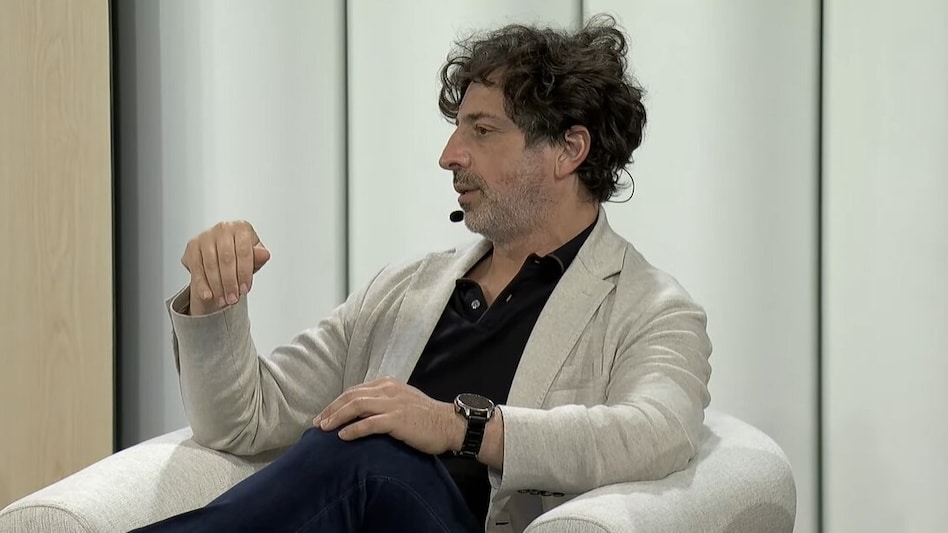
 Brin, the world’s fourth-richest person, has also been helping bring other tech billionaires into the fight against the proposed tax.
Google co-founder Sergey Brin has spent $102 million to oppose California’s proposed wealth tax on billionaires, after making another $20 million donation to the campaign fighting the tax, according to a report by Bloomberg.
Brin donated the additional $20 million to Building a Better California, according to a filing made public Friday. The group is mainly campaigning against Proposition 40, while also supporting pro-business policies, housing affordability measures and other issues.

 Milky Mist Dairy Food shares make a decent market debut; stock lists at 18% premium of NSE, BSE
 Ahead of US midterm elections, Donald Trump's approval ratings drop to an all-time low. Here's why
 Put to a vote or reconsider? N Chandrasekaran’s exit divides Tata Sons board
 After FSSAI's alcohol flavouring rules, Diageo reformulates whisky, rum brands
 'How can you vote without photo ID?': Trump cites India's voter ID rules, makes case for SAVE America Act
 Mahindra BE 6 Sport Teq Launched At ₹11.45 Lakh With BaaS | New Tech, Gemini AI & More
 The week's Tech News By AI Sana | Tech Gear EP 14
 Mahindra BE 6 Sport Teq Design Decoded | Pratap Bose Reveals What’s New
 Mahindra Eyes More SUV Market Share, Says India Ready For Pickup Trucks
 Vande Mataram: Why BJP Is Targeting Sonia Gandhi & Rahul Gandhi Over Full National Song
 Sunshine Pictures IPO kicksoff: Should you apply or avoid? Here's what analyst say, check GMP
 Shankesh Jewellers IPO opens today: Should you subscribe to it? What brokerages & GMP suggest
 Bank stock to buy for 13% upside in 30 days; what JM's Prophet model says
 Indo-MIM, recent market debutant, hits 10% upper circuit; trigger behind the rally
  Cupid promoter buys Rs 163 cr worth shares in this listed firm; stock hits upper circuitSunshine Pictures IPO kicksoff: Should you apply or avoid? Here's what analyst say, check GMP
 8 UPSC CSE Prelims 2026 questions had ‘no correct answers’; CAT issues notice as 16 marks at stake
 Planning a Murthal food trip? This dhaba now serves parathas with robots, toy trainsAfter FSSAI's alcohol flavouring rules, Diageo reformulates whisky, rum brandsShankesh Jewellers IPO opens today: Should you subscribe to it? What brokerages & GMP suggest












