


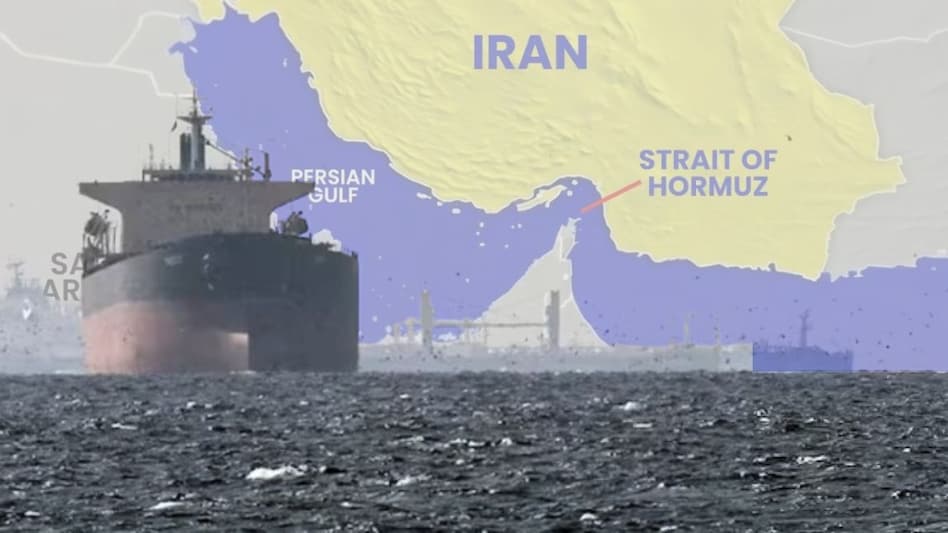
 Vessel crossings plunged from around 50-90 daily in late June to just 17 on July 13.
Commercial shipping through the Strait of Hormuz has slowed dramatically as escalating US-Iran tensions trigger fresh security concerns in one of the world's most critical energy chokepoints. New S&P Global data shows vessel crossings have plunged from 93 on June 24 to just 17 on July 13, underscoring the growing disruption to global maritime trade.
The latest report from S&P Global's Commodities at Sea and Maritime Intelligence platforms paints a stark picture of shipping activity in the Strait of Hormuz, through which nearly one-fifth of the world's oil supply normally passes. While the waterway remains technically open, escalating military action, missile attacks on commercial vessels and renewed US naval operations have prompted many shipowners to avoid the route.

 Sharp rise in global bond yields poses huge challenge for emerging markets, says DEA secretary
 'Russia stood by us when...': EAM Jaishankar explains why India's ties with Moscow endure
 Trump creates 'Super Intelligence Force' to lead US AI push: What it will do
 'US has deliberately become a lonelier power': EAM Jaishankar on shifting global order
 'Kerala has a serious debt problem': Former Cabinet Secretary on state's finances
 Gold Vs Silver: Which Should Investors Buy? Ajay Kedia Shares His 70:30 split Strategy
 Can You Sell Bonds Before Maturity? Liquidity, Exit & Penalties Explained
 Bonds Vs FDs: Are Bonds A Better Alternative For Higher Returns? Risks Explained
 Should You Buy Gold Now? Festive and Wedding Season Strategy Explained
 Direct Vs Regular Mutual Funds: Why the Right Advisor May Matter More Than 1% Cost
 Nvidia shares approach record high as AI optimism revives investor demand
 Sebi receives 20,000 comments on proposed CAS changes; framework to follow soon
 Stock market sell-off: Nifty, Sensex log 8th straight weekly loss; key levels & top triggers now
 IPO boom: 69 Indian companies raise Rs 90,500 crore in Q3 despite stock market sell-off; what's next
 TCS, Infosys, HCL Tech, TechM, Wipro, LTM, Coforge, HEXT: Fresh target, Q2 previews for IT stocks
 ₹22,000-₹24,000 rent, ₹1.5 lakh deposit for old 1BHK, Bengaluru resident calls out rising housing costs
 REIT payouts double to ₹3,136 crore: Is Indian commercial real estate becoming an income play?
 Travelling alone in Delhi after dark? This AI-powered map shows areas where women may need extra caution
 ISB's Madan Pillutla on why business schools in future have to offer what is relevant
 ‘Sometimes the best decision...’: French man moves to Mumbai for work, says these 3 things took him by surprise












