


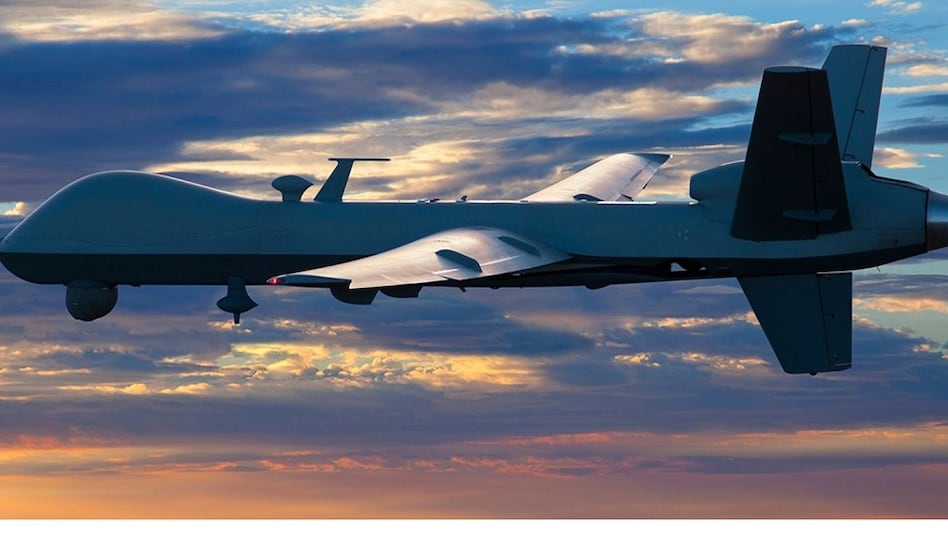
 Developed by General Atomics, the MQ-9 Reaper is a long-endurance remotely piloted aircraft primarily designed for intelligence gathering, surveillance, reconnaissance, and precision strikes.
 The ongoing conflict involving Iran and US forces has put one of America’s most recognisable unmanned combat systems under intense scrutiny — the MQ-9 Reaper.
According to reports, Iran has destroyed more than two dozen MQ-9 Reaper drones since the war began, wiping out nearly 20% of the Pentagon’s prewar inventory of the aircraft. With each system estimated to cost roughly $30 million, the losses are approaching the $1 billion mark, underlining both the scale of the conflict and the strategic importance of the drone.

 GST Council may take stock of one-year rate rationalisation; broad-based cuts unlikely in October meeting
 Samsung lays off nearly 100 executives in India as appliance businesses face mounting pressure
 Are FCNR-B deposits really an expensive source of funding?
 ‘Intellectual poseurs peddling rancorous story’: SBI Ecowrap defends 7.8% GDP growth
 Adani Power, Adani Enterprises, Adani Ports rise up to 70% from 52-week lows; price targets and more
  Non-Local Electric Bus Software Is A National Security Risk, Warns Eka Mobility Chairman Sudhir Mehta
 Mounjaro Sales Surge 502%: Why GLP-1 Drugs Are Taking Over India’s Pharma Market
 Auto Stocks Outlook: Why Investors Should Be Cautious Despite New Model Launches And Strong Demand
 U.S.-Iran War, Elevated Crude Hit Indian Stocks: Can Nifty Reverse Its Downward Trajectory Now?
 Crude Oil, Gold & Silver: What’s The Next Big Move? | Kunal Shah
 MIDHANI, Data Patterns, Paras, Apollo Micro, HAL: Why defence stocks are rising today
 PC Jeweller: PCJ shares falls 6% despite debt clearance update; key details
 NIACL, IFCI shares tumble after recent gains amid NSE IPO buzz; check technical outlook
 Sterlite Technologies: Up 700% in 2026, third upper circuit hit today; price target and factor behind the rally
  Jio Platforms gears up for IPO marketing next week: Report
 A 10% gold-price rise could add up to 100 bps to India’s GDP growth, Jefferies estimates
 Satya Niketan building collapse: Building adjoining collapsed PG accommodation to be razed, ₹5 lakh aid for injured
 No HRH titles, royal duties or right to represent Royal family: Harry and Meghan return to UK, but King Charles clarifies their statusMIDHANI, Data Patterns, Paras, Apollo Micro, HAL: Why defence stocks are rising todayPC Jeweller: PCJ shares falls 6% despite debt clearance update; key details












