
 The transfer exceeds last year’s ₹2.69 lakh crore payout, which had itself marked a record at the time.
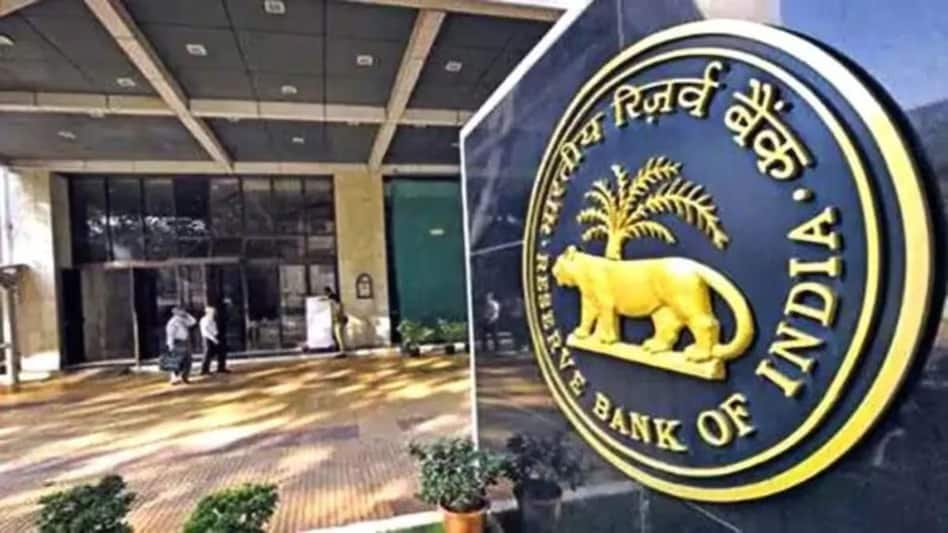
The Reserve Bank of India (RBI) on Friday approved a record surplus transfer of ₹2.87 lakh crore to the central government for FY27, providing a significant fiscal boost amid global uncertainties and rising crude oil prices. However, the payout still falls below the government’s ₹3.16 lakh crore estimate for total dividend receipts and surplus transfers outlined in the Union Budget.
The surplus transfer, often referred to as the RBI’s dividend to the government, comes after the central bank reported strong financial performance and substantial balance sheet expansion during FY26. The transfer exceeds last year’s ₹2.69 lakh crore payout, which had itself marked a record at the time.

 Govt asks Adani Airports to delay shifting international flights from Mumbai to Navi Mumbai
 GST Council set to unveil next-gen reforms: 17-day refunds, simpler registrations, easier input tax credit
 GST Council likely to consider institutional reforms for officers’ committees. Read about the changes
 108 years later, Mahindra team rebuilds piston engine patented by Anand Mahindra's grandfather
 Cabinet clears ₹10,000 crore SME fund to help Indian companies scale, compete globally. How it'll work
 Flyadeal Expands In India Enters Mumbai After Hyderabad
 Market Bounces Back After 8 Weeks Of Fall: Is The Worst Over For Investors?
 Airlines Seek Fuel Tax Relief As High Crude Prices Push Up Flight Costs
 Nifty’s Next Move: Recovery Ahead Or More Pain? Piyush Pandey On Dalal Street
 Jio IPO Valuation Cut To ₹11 Lakh Crore Ahead Of Mega Listing

 Sebi tells SAT that Jane Street has enough data to respond to market manipulation charges
 Sensex, Nifty close higher ahead of RBI monetary policy outcome; capital goods, banks, pharma stocks lead gains
 TCS dividend 2026 record date, dividend history, Q2 results preview, what to watch
 HG Infra shares gain 5% as Karnataka tax authority drops Rs 94-crore tax demand
 IPO valuations, stock market correction, Q2 earnings: Anand Rathi's Samir Bahl on what investors should watch
 Navratri 2026: Free entry at United Way Garba, Atul Purohit to perform as Vadodara eyes Guinness World Record
 Vietnam’s LNG gamble hits a roadblock as 22.5 GW power plan stalls
 Financial Horoscope Today, October 7, 2026: Taurus Signs Must Control Financial Behaviour, Know the Status of All Signs
 Russian gold finds new route to China through Hong Kong as Western sanctions reshape trade
 ₹5 lakh health cover is becoming the new baseline as employers deepen employee benefits