


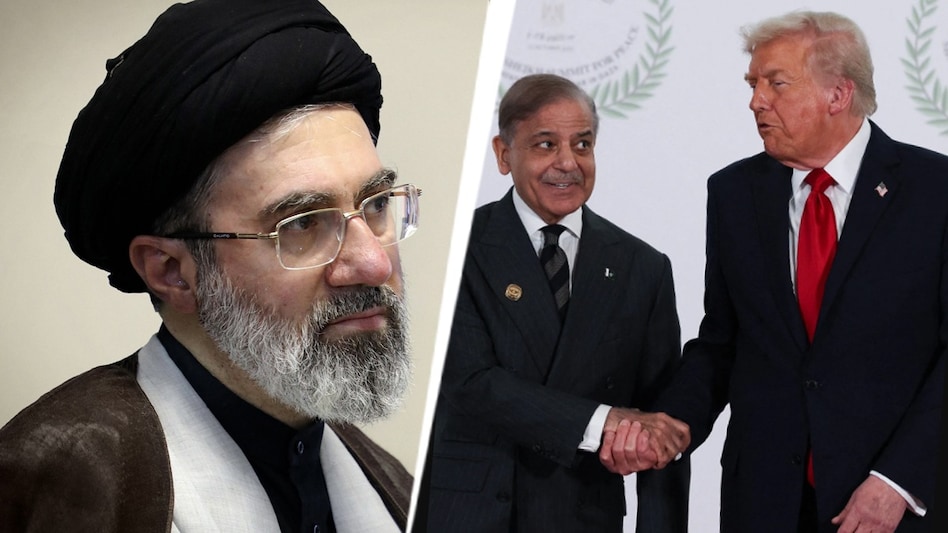
 Iran questions Pakistan over US-Iran talks, flags 'double game'
 US-Iran talks: Iranian sources believe Pakistan is playing a “double game” and is really bidding on behalf of the Americans, said Alex Vatanka, Senior Fellow at the Middle East Institute and author.
“In fact, if you look at Iranian sources today, they're questioning, what is Pakistan really up to? Are the Pakistanis doing the American bidding? Why are they pushing us? Why do you insist you have to come to Islamabad? This was the latest I picked up just before I joined this call, as we're hearing that JD Vance is not going to make it to Islamabad tomorrow after all,” said Vatanka in a discussion with Senior Fellow at the Atlantic Council, Michael Kugelman.

 NSE becomes India's 10th most-valued firm, shares debut at Rs 1,800
 NSE adds Rs 22,000 crore to m-cap as stock rises 5% over issue price after listing
 Insurance commissions may fall: What IRDAI’s new distribution rules mean for policyholders
 All about Venu Srinivasan, the 73-yr-old TVS scion at the centre of Tata boardroom showdown
 Hurun India Rich List 2026: Adani reclaims top spot with ₹9.23 lakh cr valuation. Check where others stand
 Student Housing Faces A Major Shift: Why Organised Campus Accommodation Could Grow
  Ground Report: Sleeper Buses Face Safety Questions After Greater Noida Fire Tragedy
  14 Objections In 10 Months: Two ECs Flag Form 6, Voter Roll Changes Before ECI
  Greater Noida Bus Fire: FIR Alleges Driver Smoked, Ignored Warning Before 9 Deaths
 Indian Stock Market Falls: Nifty Down 1% as Crude Oil and Bond Yields Surge
 Hero Motors, SS Retail, Jindal Supreme shares extend post-listing gains; SS Retail turns multibagger
 PB Fintech shares crack 28% after Irdai consultation paper; is there more pain ahead?
 Exide Industries shares rise after subsidiary commissions Phase-I of lithium-ion cell facility
 YES Bank, IndusInd, IDFC First shares: What Citi, Jefferies say on IRDAI consultation paper; targets
 Bharat Dynamics shares gain on Rs 811-crore order win from defence ministryStudent Housing Faces A Major Shift: Why Organised Campus Accommodation Could Grow
  Shareholders back Sameer Hiremath as Hikal Chairman and MD for a 5-year termGround Report: Sleeper Buses Face Safety Questions After Greater Noida Fire Tragedy
  From school charts to couture: India's favourite ‘Adarsh Balak’ steals Lovebirds' London Fashion Week debut 14 Objections In 10 Months: Two ECs Flag Form 6, Voter Roll Changes Before ECI












