


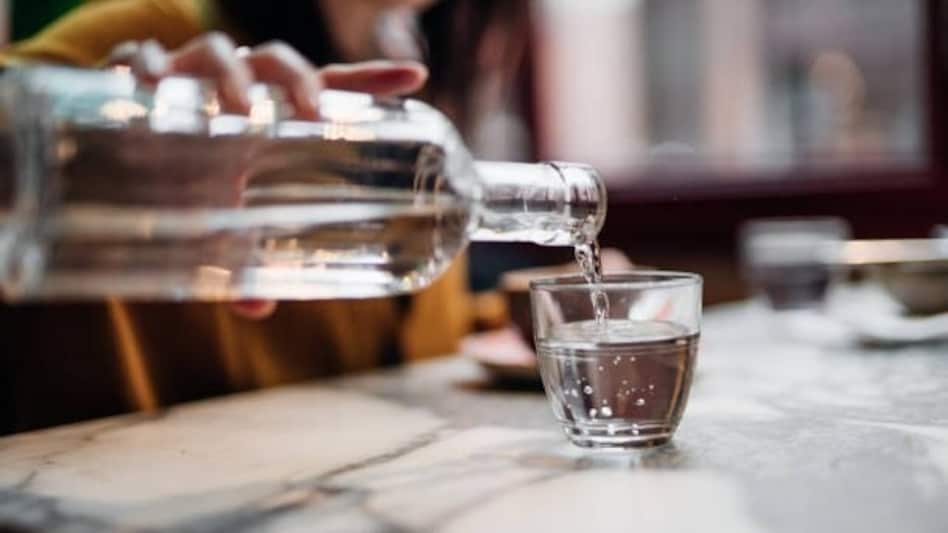
 Researchers said that if the system operates for two years, the cost of producing fresh water would fall below the cost of bottled water.
Chinese scientists have developed a new solar-powered desalination technology that could make drinking water from seawater cheaper than bottled water, according to a report by The South China Morning Post.
The system runs only on sunlight, does not need electricity from the power grid, and remained stable during a year-long outdoor trial.

 AI agents are coming for every day tasks: What Goldman Sachs sees for the next AI growth wave
 French fuel crisis deepens as one in nine stations run out of stock, diesel prices at record high
  Escalating Houthi-Saudi clashes trigger fresh US travel warning across West Asia
 ₹5 lakh crore profit, not loss? SBI Research’s case for FCNR(B) scheme explained
 China cut oil imports 32% during Iran war: How Beijing helped contain the global price shock
 Health Insurance Buying Guide: 7 Things First-Time Buyers Must Check Before Choosing A Policy
 CEA On India’s 7.8% Growth, Rural Incomes And Government’s Job Creation Push
  Gold Price Outlook: Why Dollar Weakness Could Keep Gold And Silver Prices Attractive Ahead
 Gold vs Silver Investment Strategy: Is This The Right Time To Buy For Long-Term Returns?
 Corporate Vs Personal Health Insurance: Which Is Better On A Budget?
 Jindal Supreme, SS Retail, Hero Motors IPOs subscribed up to 181 times on final day; details here
 Sensex, Nifty post sixth weekly loss; TCS, Titan among top laggards, slip up to 4%
 How AI collapse could benefit Indian equity market; Jefferies' Christopher Wood explains
  Banks are no more secular growth story, prefer NBFCs: Chris Wood
 Jefferies' Christopher Wood sees gold at $10,000 'sooner or later'; likes India's small, midcapsHealth Insurance Buying Guide: 7 Things First-Time Buyers Must Check Before Choosing A Policy
 ‘We pay ₹3,000 crore in tax every year’: BCCI’s big disclosure at AGM
  ‘Aur bhi chamkunga’: Shah Rukh Khan’s ₹300-crore Mannat gets new gallery for fan greetings
  From Telegram group to a profitable startup: Student turns admission queries into ₹10 lakh businessFrench fuel crisis deepens as one in nine stations run out of stock, diesel prices at record high












