

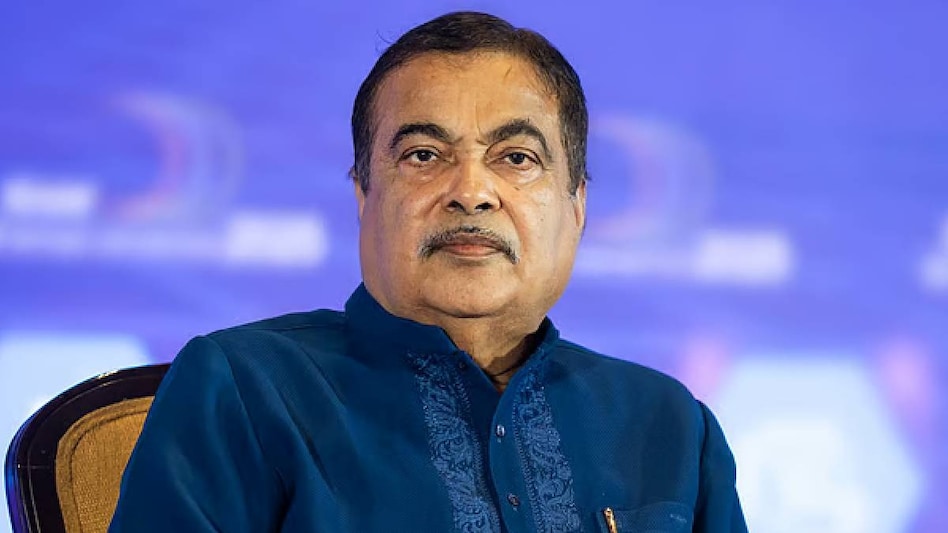
 The Bombay High Court has granted Gadkari permission to file a civil defamation suit against Meta, major social media platforms, and unidentified entities.
Deepfakes and viral posts linking Union Minister Nitin Gadkari and his family to personal profits from India’s E20 ethanol programme have triggered a swift legal crackdown.
The Bombay High Court has granted Gadkari permission to file a civil defamation suit against Meta, major social media platforms, and unidentified entities responsible for creating and circulating the targeted online campaign.
Justice Abhay Ahuja granted the order after hearing submissions from Gadkari’s counsel, advocate Sandeep S Ladda. The petition was filed under Clause XII of the Letters Patent — a procedural rule required when part of a dispute's cause of action falls outside the court's territorial limits.
Ladda argued that while the defamatory material was accessible to users across the internet, its widespread visibility in Mumbai established a substantial cause of action within the court’s jurisdiction.
The lawsuit asserts that the deepfakes falsely tied Gadkari and his family to financial gains from the E20 mandate, ignoring the factual reality that the ethanol blending policy is designed and administered by the Ministry of Petroleum and Natural Gas.
This civil action follows a criminal FIR registered in Nagpur just two weeks ago against four social media influencers accused of spreading false information about the Union Minister and the fuel rollout. That FIR named YouTuber-politician Manish Kashyap, the Instagram handle Desi Boys (desi_boysncr), and influencers Harshit Rathi and Ankleash Invatee.
The legal offensive arrives amid intense debate surrounding the Centre’s push for E20 fuel — a mixture of 20 percent ethanol and 80 percent petrol. While the government maintains that E20 is safe for compatible vehicles and essential for national energy security, it has faced pushback from motorists and online critics who claim higher ethanol blends lower fuel efficiency and risk damaging older engine models.
India imports a significant portion of its crude oil requirements, making the country vulnerable to fluctuations in global oil prices. Ethanol blending helps reduce this dependence by partially replacing fossil fuels with domestically produced biofuel.
The programme also creates an additional revenue stream for sugar mills and farmers, particularly in major sugarcane-producing regions.
 Tata Consumer stock: Tata Group's FMCG arm reacts to Q1 earnings show
  Sterlite Technologies: What every investor should know about the stock post Q1 earnings
  NEET to be conducted through a computer-based model? Here’s what we know
 ‘Merely because there is agitation…’: Supreme Court says right to peaceful protest is guaranteed
 BT Explainer | PVR Inox shares: Analysts bet big on Odyssey, Ramayana, Avengers & others post solid Q1
 IPO Rush Ahead! Should You Invest In Manipal Health & Upcoming IPOs? Avinash Gorakshakar Explains
 Why IndiGo Stock Is Rallying | Impact Of Falling Crude Oil On Aviation Stocks
 Pralhad Joshi Takes Charge As Education Minister | Big NTA Reforms After NEET Row
 Nirmala Sitharaman Slams Govt Apathy After Tax Dept's 50-Year Land Struggle In Mumbai
 PM Modi’s Big Message To Youth: Border Villages Are India’s First Villages
 Infosys fined €175,000 by French authority over employee time tracking system; says no material business impactTata Consumer stock: Tata Group's FMCG arm reacts to Q1 earnings show
  Why KFin Technologies shares surged 9% today
 Sagility shares surge 8%; brokerages retain 'Buy' despite Q1 revenue dip QoQ; check target pricesSterlite Technologies: What every investor should know about the stock post Q1 earnings
  Delhi to Nepal in just 8 hours! This highway project could boost tourism growthIPO Rush Ahead! Should You Invest In Manipal Health & Upcoming IPOs? Avinash Gorakshakar Explains
 From ribbon to medal: How Mirabai Chanu made India cry with joyWhy IndiGo Stock Is Rallying | Impact Of Falling Crude Oil On Aviation Stocks
 Passenger lights diya inside AC train coach: Viral clip sparks debate over railway safety









